Industrial Accident Cleanup: Costs & Insurance
Decision-focused information about industrial accident cleanup scope variables, estimate comparison, documentation, and policy questions. Coverage depends on the triggering peril, policy language, limits, exclusions, deductible, and carrier review.
Cost articles in this category explain what shapes the price of an industrial accident cleanup. They also show how to read the estimates you receive. You will learn how the size of the job is affected by how far contamination spread and how complex the equipment is. Confined-space rules, mixed types of waste, and after-hours work also play a part. Other articles look at how commercial property policies, workers' compensation, and pollution coverage may overlap after a workplace accident. They explain why coverage questions should go to your broker early. One article walks through comparing a low bid with a higher one, line by line, so you can see what each really includes.
Get an email reply about industrial accident cleanup
Send a short message to the follow-up inbox. A coordinator can reply by email. This form does not send emergency help; call 911 first if anyone is in danger.
Knowing what drives cost matters. The cheapest bid on paper can become the most expensive if it leaves out waste disposal, equipment cleaning, or paperwork your insurer asks for later. On the other hand, a padded bid may include tearing out surfaces that could have been cleaned. These articles do not predict what your policy will pay, and no contractor can promise that. Instead, they help you gather what adjusters and finance teams usually ask for. That includes photos, written descriptions of the job, and waste records. With that in hand, you can approve work with confidence. You can also reduce disputes when bills and claims are reviewed later.
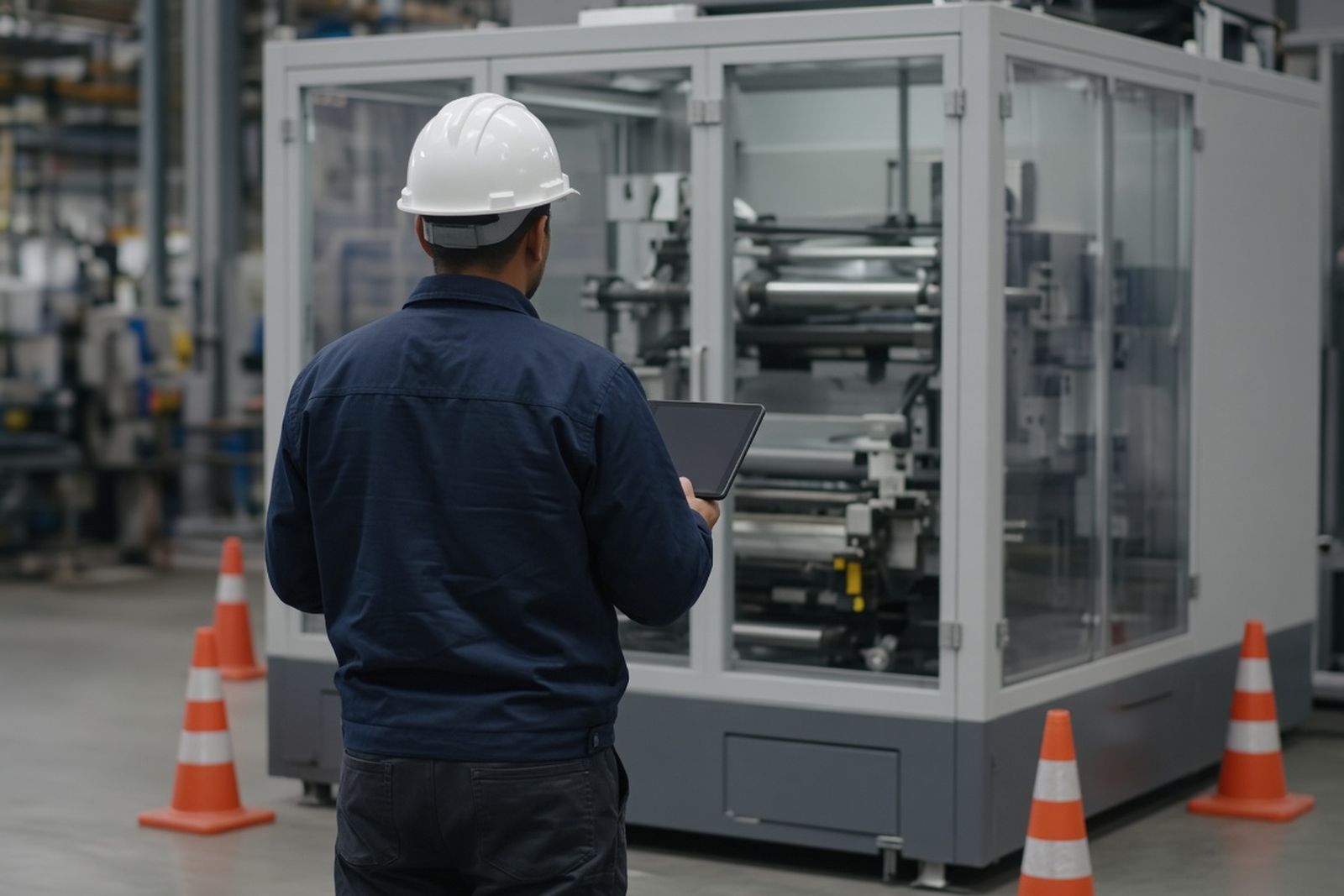
What Drives Industrial Accident Cleanup Cost?
Machinery, lockout, chemical mixing, and restart pressure all shape an industrial accident cleanup quote. See what drives the number before you sign a scope.
Industrial accident cleanup cost is driven by how far blood and fluids reached across equipment and floors, whether machinery must be disassembled under lockout, whether process chemicals or oils are mixed in, how much material must be discarded, the protective equipment level required, and whether the work must happen overnight to support restart. An itemized scope that separates these factors is the best way to compare contractors.
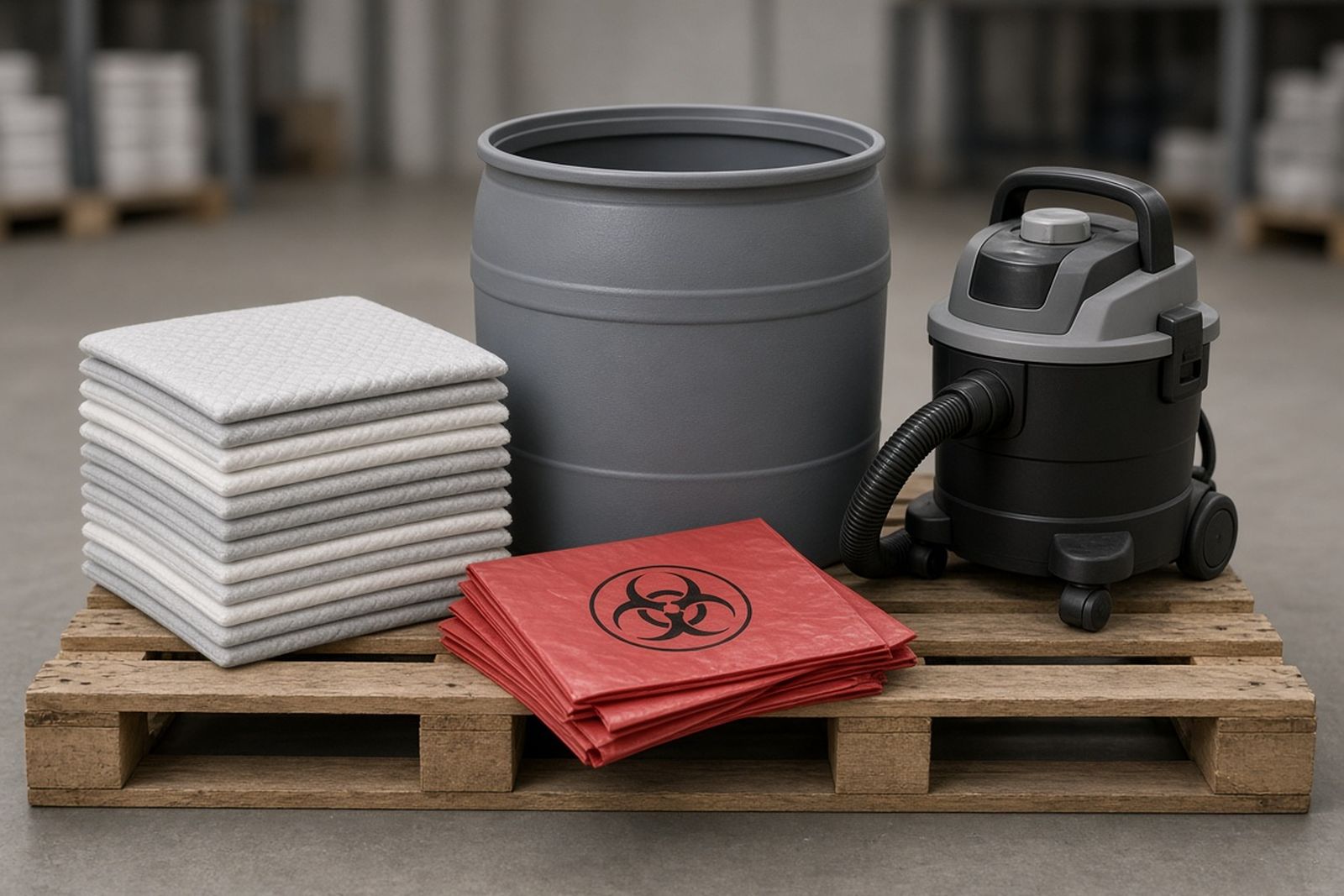
Does Homeowners Insurance Cover Industrial Accident Cleanup?
Homeowners policies are rarely the right fit for an injury at a plant, shop or jobsite. See which policies usually pay attention to industrial accident cleanup instead.
Almost never. Industrial accidents happen at businesses or jobsites, and homeowners policies usually leave out business activity. Cleanup after a workplace injury is usually reviewed under the business's commercial property or package policy. Workers' comp handles the hurt worker. Liability coverage handles anyone else who was affected. The narrow exception is home workshops or farms. There, the policy wording and any business add-on decide the answer.
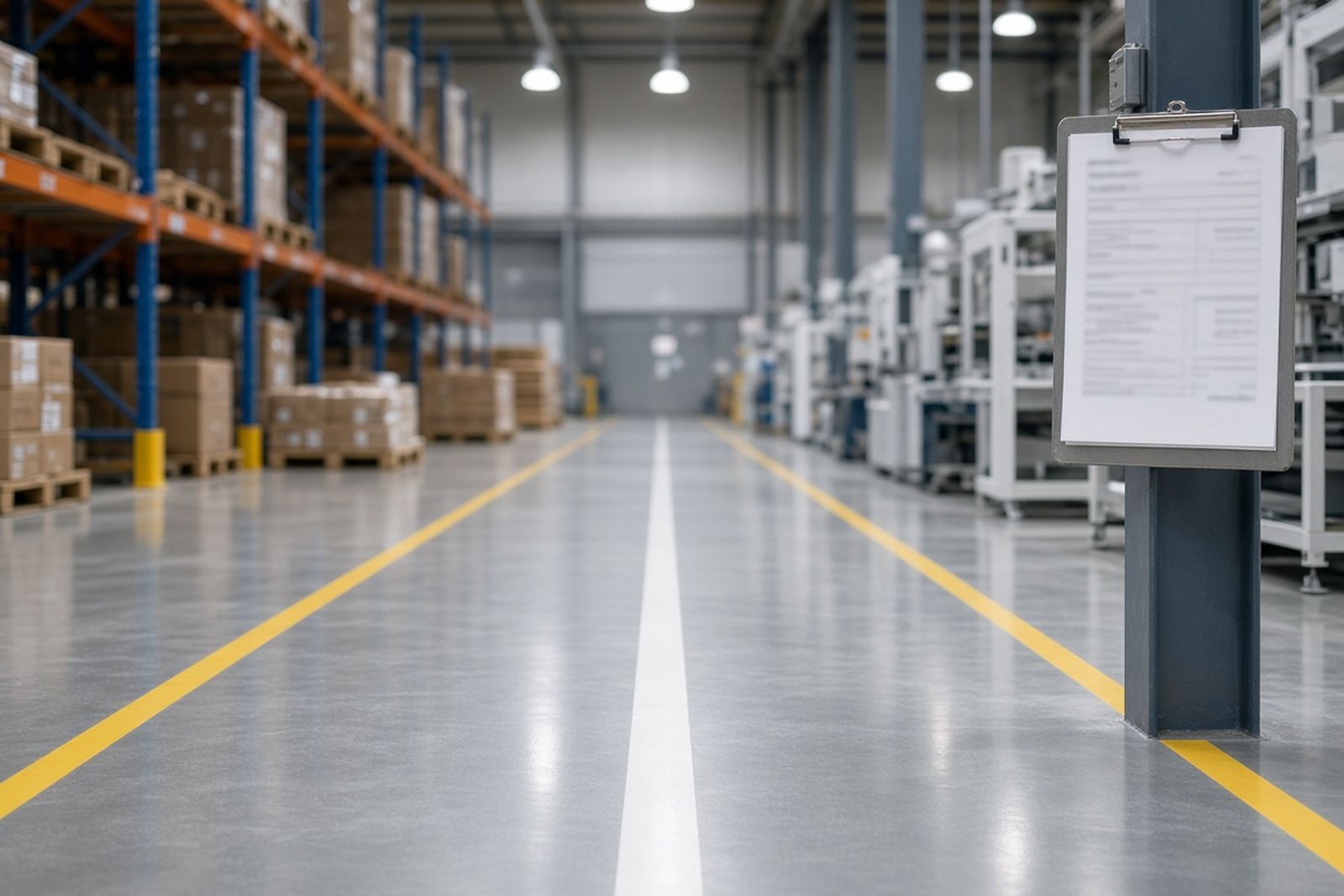
How to Compare Low and High Industrial Accident Cleanup Bids
Industrial cleanup bids differ on equipment access, lockout, mixed waste streams, and downtime. Here is how plant managers can compare them on equal terms.
Compare industrial accident cleanup bids by breaking each into tasks and responsibilities: containment, equipment disassembly and access, coordination with your lockout program, cleaning and disinfection of machinery and floors, handling of mixed waste streams, documentation, and schedule. A low bid often shifts work to your maintenance staff or skips waste segregation. Weigh the cost of downtime and rework, not just the invoice total.
Sourced figures on costs & insurance
- 2,443
OSHA cited Lockout/Tagout (1910.147) 2,443 times in fiscal 2024, ranking fifth among most-cited standards.
Read with care: Preliminary count; ranking shifts slightly year to year.
Source: OSHA (via Safety+Health) (2024)United States federal OSHA citations, FY2024
- $50-$150/hour
Biosafety Level 3 remediation labor is priced at roughly $50 to $150 per hour, versus $25 to $50 per hour for Level 1 work.
Read with care: Biosafety-level pricing is a guide convention; actual quotes depend on contaminant and site.
Source: Fixr (2025)United States, consumer cost guide updated January 2025
- 180 days
Facilities generating more than 100 kg but less than 1,000 kg of hazardous waste per month are Small Quantity Generators and may store it up to 180 days.
Read with care: Limit extends to 270 days when the disposal facility is over 200 miles away.
Source: EPA (2024)United States, RCRA generators
These figures are public research and agency data, not this network's own job records. Keep each number with its population, year and limits; none of them predicts cost, timing or outcome at a specific property.
What research has found
Findings from published studies of people and properties in situations like this one. They describe what researchers observed in a specific group; they are not predictions for your case.
Bench experiments showed flushing could move chemicals into the air.
UK respondents reported greater intended compliance than Polish respondents.
Costs & Insurance: common questions
Why do two industrial cleanup bids for the same incident differ so much?
Bids often differ in what they assume. One may include sorting the waste, disposal fees, help taking equipment apart, and final paperwork. Another may list only labor for cleaning surfaces. Differences in crew size, level of protective gear, and schedule also matter. Ask each provider to list in writing what is not included. Then compare the bids item by item instead of looking only at the total.
Will our commercial insurance pay for cleanup after a workplace accident?
Coverage depends entirely on your own policies, what caused the accident, and any exclusions for pollution or contamination. Some policies cover certain cleanup costs. Others limit or exclude them. Contact your broker or insurer quickly and ask what paperwork they need. A cleanup company can supply records. But it cannot promise a claim decision or speak for your insurer.
What records should we keep to support a claim or internal cost review?
Keep the signed work plan, change orders, and daily logs. Keep photos taken before and after cleaning, waste shipping records, and the final completion report. Note any areas left out of the job and why. If lost production time is part of a claim, your operations team should track that separately. Organized records make it easier for adjusters, auditors, and finance staff to follow what was done.
Should we notify our insurer before or after hiring a cleanup contractor?
Tell your insurer as early as you can, ideally before work begins. Ask whether they have rules for choosing or approving a contractor. If urgent work cannot wait, write down why and keep all records. Early notice usually makes the claim go more smoothly. It also reduces disputes about choices made before the insurer was involved.
How do we track internal costs from an incident?
Set up a cost code or tracking sheet as soon as you can. Record staff hours, overtime, lost production, replacement parts, discarded product, and outside services. Keep receipts and bills together. Clear tracking supports insurance claims, internal reviews, and planning for future accidents. Ask managers to log their own time spent on the accident too. It is easy to overlook, and it adds up quickly.
Can cleanup costs be recovered from a third party responsible for the incident?
Sometimes. This may be possible if another party, such as an equipment supplier or contractor, helped cause the accident. Your insurer or lawyer can advise you on whether to seek repayment. Save evidence and records, since they may be needed later. Do not discuss fault with the other party without advice. Keep damaged parts if your lawyer asks you to.
Why might an insurer question part of a cleanup invoice?
Insurers may question items that seem outside the covered loss. They may also question unclear charges or costs without records. A detailed work plan, an itemized bill, photos, and records of approvals all help. Ask your contractor to list items clearly and explain any unusual charges before the bill goes to the insurer. Answer the insurer's questions quickly.
Related community polls
Every count is a real visitor vote; nothing is seeded or padded. One vote per poll per device, and you can change your answer.
After a serious injury on the floor, what was your hardest early decision?
How did your facility handle cleanup after a serious blood incident?
More on industrial accident cleanup
Industrial Accident Cleanup services
See how workplace injury cleanup, chemical spill response, equipment cleaning, and confined space work are planned and ordered for plants and job sites.
Costs explained
What drives the price, published cost ranges, and how to read a written quote line by line.
Insurance and payment
Which policies may respond, how to document a claim, and what to do if coverage is denied.
Planning tools
Planners and checklists built for facility managers. They cover cost ranges, contractor checks, insurance steps, first-day actions, waste sorting, and in-house risk.
Community polls
Compare your instincts with other operations and safety leaders on scene holds, restart pressure, choosing a contractor, and supporting affected workers.
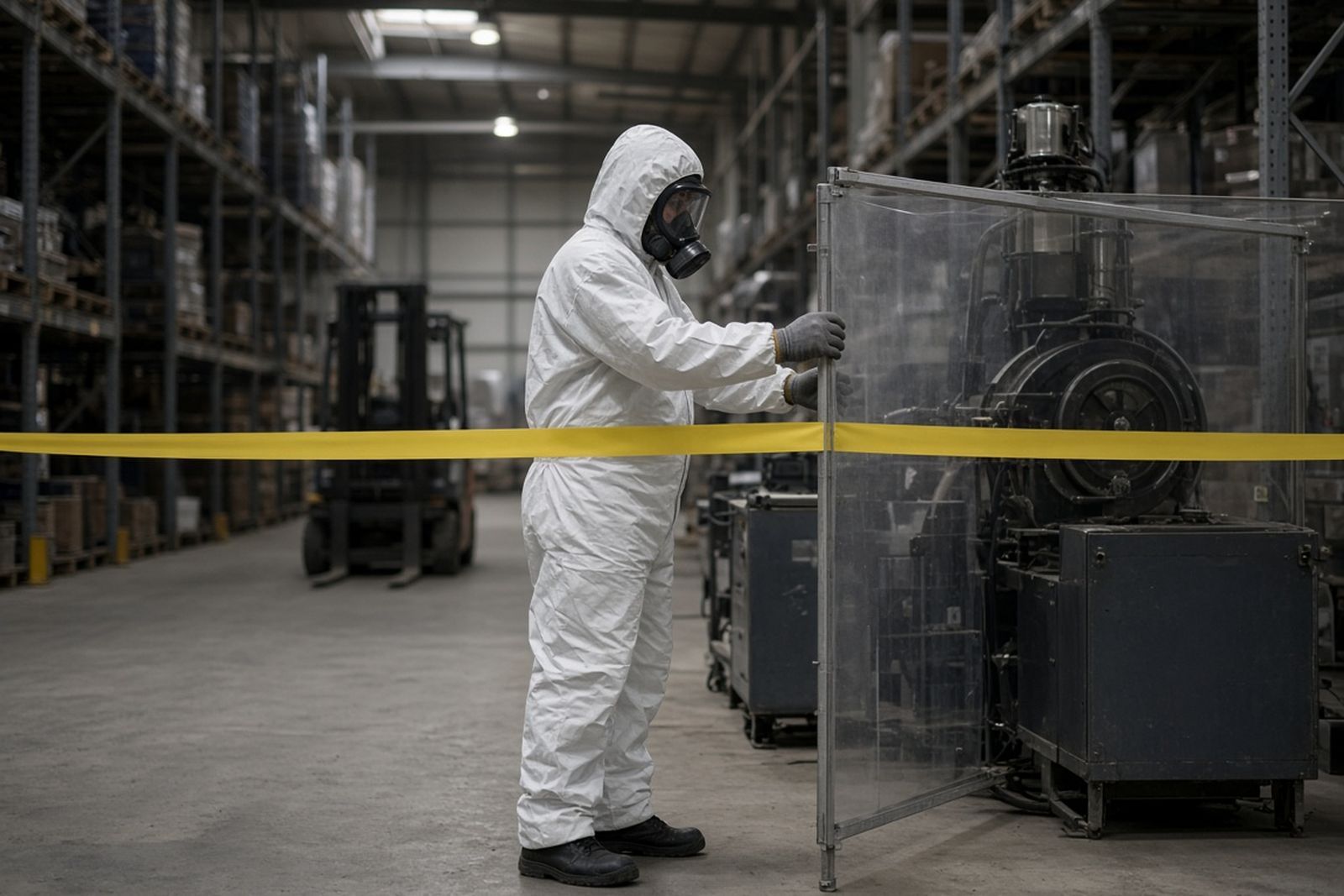
Knowledge quiz
Test what you know about spotting hazards, scene control, sealing off areas, disinfecting, waste paths, and records before an accident puts it to use.