Industrial Accident Cleanup articles and resources
Deeper reads on scope, safety, insurance and hiring, written for property owners.
Practical articles on OSHA report deadlines and working with investigators. Others cover sites shared by several employers, planning the restart, and hard lessons other plants learned.
Get an email reply about industrial accident cleanup
Send a short message and get an instant email confirmation. A coordinator then replies by email. This form does not send emergency help; call 911 first if anyone is in danger.
Browse industrial accident cleanup articles

Evidence-led educational articles about industrial accident cleanup. Stay informed about safety standards, best practices, and what to expect from professional remediation.
What to Expect During Professional Industrial Accident Cleanup
From scene release to equipment handback, how a professional crew cleans up after a serious injury on a plant floor, warehouse dock, or cons...
The Science Behind Industrial Accident Cleanup
Blood mixed with oil, coolant, and metal fines behaves differently than a spill at home. Here is the science that shapes cleanup after a wor...
How Long Does Industrial Accident Cleanup Take?
Investigation holds, lockout, machine teardown, and waste sorting all shape how long a line stays down after a workplace injury. Here is how...
How to Evaluate Equipment Proposed for Industrial Accident Cleanup
Pressure washers, HEPA vacuums, gas meters, and degreasers show up in workplace injury cleanup bids. Learn which tools suit your plant and w...
DIY vs Professional Industrial Accident Cleanup: The Critical Differences
Should your maintenance or janitorial team clean up after a workplace injury, or should you call a specialist? Compare training, exposure, a...
10 Industrial Accident Cleanup Safety Risks to Assess Before Work Begins
Stored energy, oily floors, sharp metal, process chemicals, and confined spaces can injure cleanup crews after a workplace accident. Ten ris...
OSHA Regulations and Industrial Accident Cleanup
After a serious injury on the floor, OSHA rules shape who cleans the scene and how. These cover reports, lockout, blood and chemicals....
PPE Planning for Industrial Accident Cleanup: Start With the Hazard Assessment
Blood on a press or conveyor is rarely the only hazard. Build PPE for industrial accident cleanup around oils, sharp metal, stored energy, a...
What Drives Industrial Accident Cleanup Cost?
Machinery, lockout, chemical mixing, and restart pressure all shape an industrial accident cleanup quote. See what drives the number before ...
Does Homeowners Insurance Cover Industrial Accident Cleanup?
Homeowners policies are rarely the right fit for an injury at a plant, shop or jobsite. See which policies usually pay attention to industri...
How to Compare Low and High Industrial Accident Cleanup Bids
Industrial cleanup bids differ on equipment access, lockout, mixed waste streams, and downtime. Here is how plant managers can compare them ...
Which Federal, State, and Local Rules Apply to Industrial Accident Cleanup?
After a serious workplace injury, OSHA, environmental, shipping, state and local rules may all apply. Here is how plant managers can map the...
How to Research Waste Rules for Industrial Accident Cleanup
Industrial cleanup waste can mix blood, oils, chemicals, metal bits and wash water. Here is how safety teams look up which rules apply to ea...
10 Questions to Ask Before Hiring an Industrial Accident Cleanup Company
Ten questions plant, warehouse and site managers should ask a cleanup company before letting it onto the floor after a serious workplace inj...
Red Flags When Hiring Industrial Accident Cleanup Services
Warning signs plant and site managers should catch before hiring a cleanup contractor after a serious workplace injury, from scene disturban...
Training, Documentation, and Credentials for Industrial Accident Cleanup
The training records, safety programs, insurance and final papers a plant manager should require from a company cleaning up after a workplac...
Managing Stress and Disruption During Industrial Accident Cleanup
How plant and site managers can support shaken employees, handle restart pressure, and lead the workforce through cleanup after a serious wo...
How Industrial Accident Cleanup Practice Has Changed
How cleanup after serious workplace injuries moved from in-house mop crews to trained companies that follow lockout, scene release and waste...
The Difference Between Cleaning and Disinfection in Industrial Accident Cleanup
Why blood mixed with hydraulic fluid, coolant, and grease must be degreased and cleaned before disinfection on a plant floor, and how to con...
Industrial Accident Cleanup for Property Managers: What You Need to Know
When a tenant's worker is hurt in a warehouse or plant you manage, the cleanup can involve your dock equipment, drains, common areas, and le...
When ATP Testing Helps—and When It Does Not—in Industrial Accident Cleanup
ATP swabs can confirm organic soil is gone from a machine after a workplace injury, but they miss chemicals, oils, and pathogens. Know the l...
Industrial Accident Cleanup Planning Example: Building a Defensible Scope
A hypothetical press injury with blood and hydraulic oil shows how a plant and contractor can build a cleanup scope that holds up to later r...
Urgent Industrial Accident Cleanup: What to Do Before a Provider Arrives
A serious injury just happened on your floor. What supervisors should do in the first hours to protect people, preserve the scene, and set u...
Commercial vs Residential Industrial Accident Cleanup
A saw injury in a factory and one in a homeowner's garage need the same care, but who pays, who cleans, and what rules apply differ in impor...
Environmental Responsibility in Industrial Accident Cleanup
After a plant injury or release, cleanup choices decide whether oil, chemicals, and wash water stay contained or reach soil, drains, and the...
How to Evaluate Technology Used in Industrial Accident Cleanup
Dry ice blasting, steam, UV-C, electrostatic sprayers, and digital logs all appear in plant cleanup bids. How to judge whether each fits you...
Mental Health Resources During Industrial Accident Cleanup
Coworkers who saw a plant injury, gave first aid, or must run the same machine again need real support. Here is what employers and workers c...
When Enzymes or Microbial Products Fit Industrial Accident Cleanup
Enzyme cleaners lift dried blood from machinery; oil-eating microbes treat soaked soil outdoors. Neither disinfects, and neither suits every...
How to Compare Local and National Industrial Accident Cleanup Providers
Local remediation firms and national industrial service companies each bring strengths to plant accident cleanup. Compare them on crews, sco...
Questions about industrial accident cleanup?
If the articles did not answer your question, send a short message and a coordinator will reply by email.
You get an instant email confirmation, then a coordinator replies by email.
If anyone is hurt or in danger, call 911 first.
Industrial Accident Cleanup figures our articles draw on
- 53%
53% reported changes in application type, such as fogging, spraying or wiping.
Read with care: Small voluntary sample; no causal inference; survey item nonresponse substantial.
Source: Wilson et al. (2023)59 Arizona survey respondents and 11 interviewees from maid services and a school district.
- 97.9%
97.9% in the nearer zone recalled mercaptan odor versus 77.6% in the farther zone.
Read with care: Reported symptoms and odor; not measured individual exposure doses.
Source: Behbod et al. (2014)204 household representatives surveyed in two distance zones, September 2012.
- 81%
81% reported bleach use on high-touch surfaces in contact-isolation rooms.
Read with care: 47 of 273 contacted participated; practices were reported rather than observed.
Source: Han et al. (2021)47 US hospital environmental-services respondents across 26 states; 2019 survey.
These figures are public research and agency data, not this network's own job records. Keep each number with its population, year and limits; none of them predicts cost, timing or outcome at a specific property.
How to use these articles
Where should I start reading if an injury just happened at my facility?
Start with the article on what to do first after an urgent industrial accident. It covers care, lockout, holding the scene, and reporting. Then read what to expect during professional cleanup and the questions to ask before hiring. Articles on cost, waste rules, and checking the work become useful once the scene is secure. That is when you begin talking with contractors and your insurer.
Where do I find articles on machine guarding incidents versus plant chemical releases?
Articles are sorted into categories. These include process, safety, regulations, costs and insurance, choosing a company, health and wellness, education, and industry insights. Articles about equipment injuries and blood on machinery tend to be under process and safety. Chemical and drain concerns usually fall under regulations. Each category page has a short introduction and its own questions. Article titles name the specific choice they cover.
How can a safety manager turn an article into a plan for our own shop floor?
Read the article to understand the reasons. Then use the matching tool to apply it to your accident. For example, the cost factors article explains what drives price on a plant cleanup. The cost estimator lets you describe the affected equipment and floor area to see which of those factors apply. Many articles link straight to the right tool, so you can move from background to a working checklist.
What is the difference between the articles and the guides?
Articles explain a topic in depth, with background and made-up examples. Guides are shorter and more practical. They are built around decision tables and checklists you can use during an accident. If you have time to understand an issue, read the article. If you need to make a choice quickly or record a process, use the guide.
Are the example incidents in the articles real events?
No. The worked examples and case studies are made up. They show how choices might play out at a plant, warehouse, or job site. They are marked as examples in the text. Details are simplified, and your own situation may differ. Use them to think through questions, not as a guide to what an agency, insurer, or contractor will do.
I lease a warehouse to a tenant who had an injury on site. Where should I start reading?
Begin with the article written for property managers. It covers owner and tenant duties after an accident in leased industrial space. Then read the regulations and waste disposal articles, since floor drains, loading docks, and shared areas can be affected. The cost and insurance articles help sort out who pays when contamination reaches common areas or building systems.
Can I share these articles with supervisors and contractors?
Yes. Many readers share articles with supervisors to prepare them for scene holds. Others share them with contractors and brokers to start a talk about the job plan or coverage. Sharing a link is the simplest way. The articles are general information. So pair them with your own procedures and the advice of the people responsible for your site.
More on industrial accident cleanup
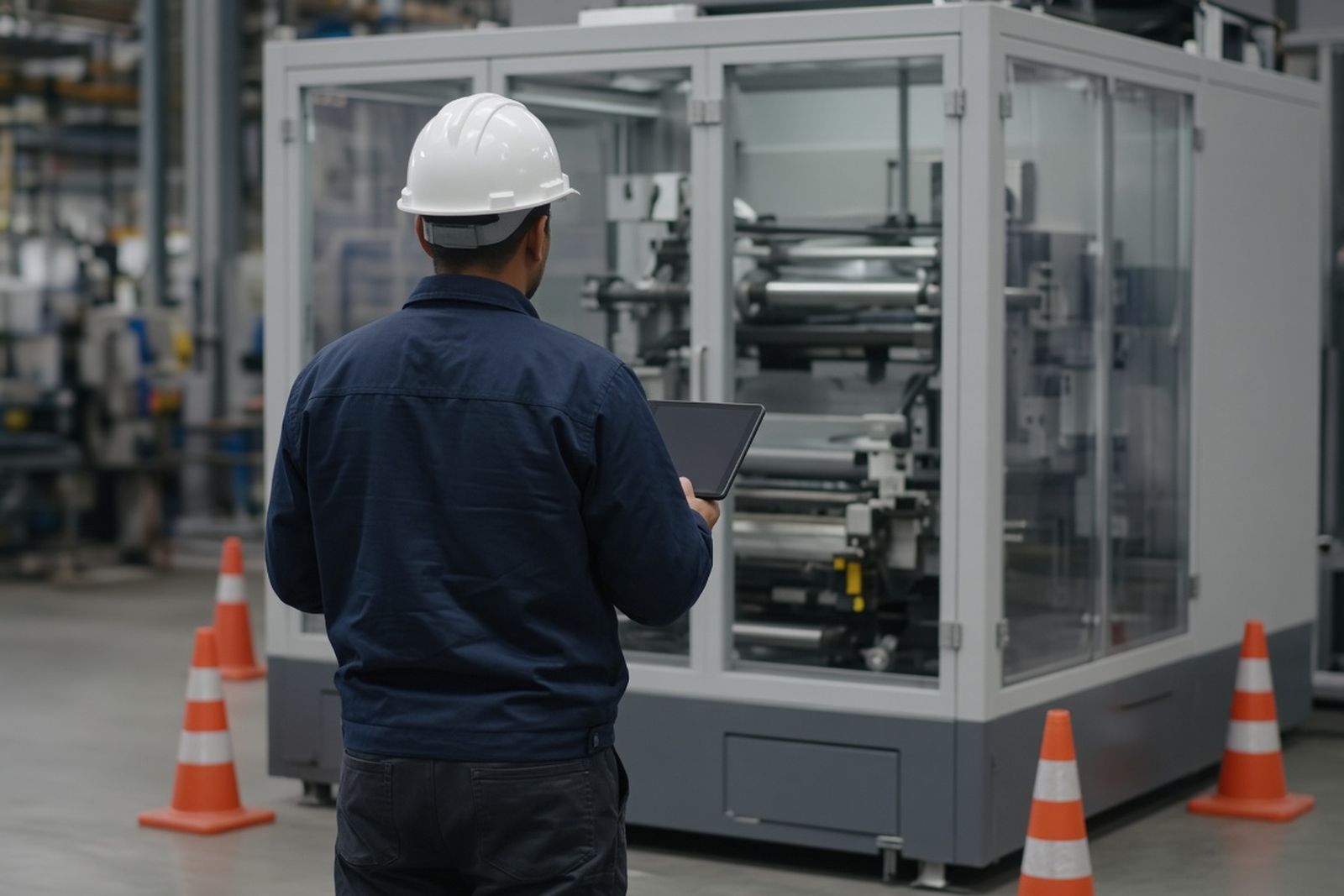
Industrial Accident Cleanup services
See how workplace injury cleanup, chemical spill response, equipment cleaning, and confined space work are planned and ordered for plants and job sites.
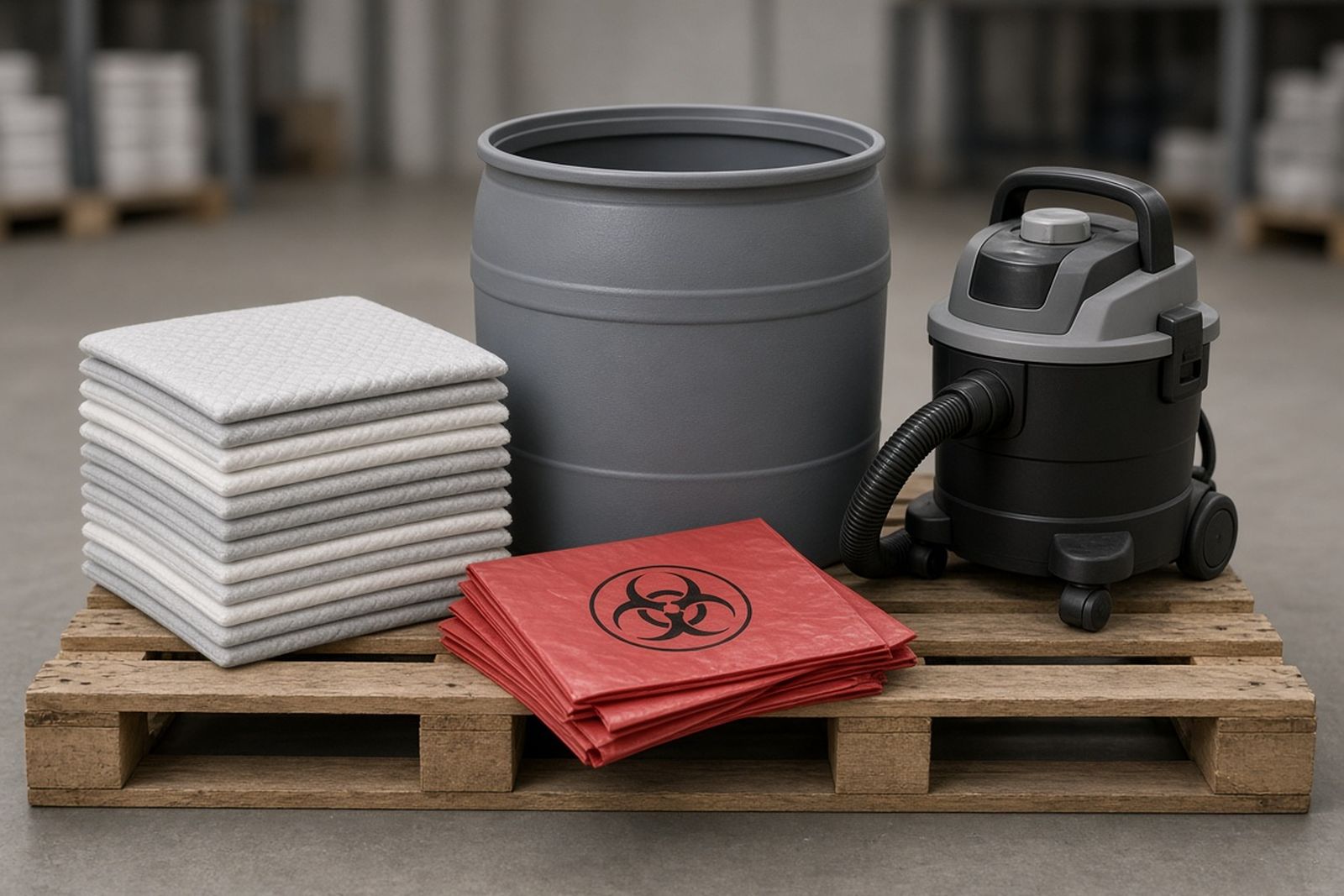
Costs explained
What drives the price, published cost ranges, and how to read a written quote line by line.
Insurance and payment
Which policies may respond, how to document a claim, and what to do if coverage is denied.
Planning tools
Planners and checklists built for facility managers. They cover cost ranges, contractor checks, insurance steps, first-day actions, waste sorting, and in-house risk.
Community polls
Compare your instincts with other operations and safety leaders on scene holds, restart pressure, choosing a contractor, and supporting affected workers.
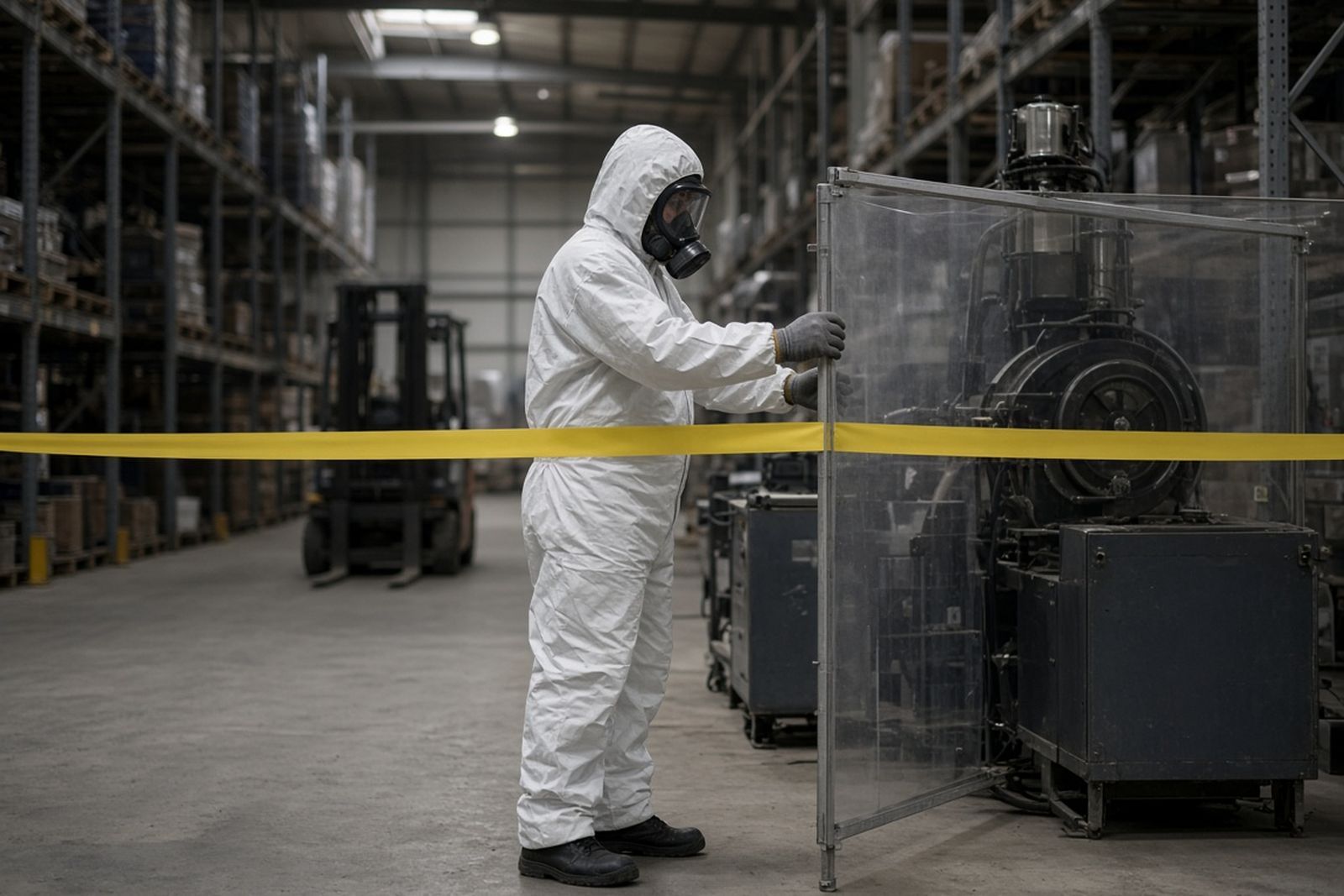
Knowledge quiz
Test what you know about spotting hazards, scene control, sealing off areas, disinfecting, waste paths, and records before an accident puts it to use.