Industrial Accident Cleanup Cost: What Sets the Price
Know what really drives the cost before a workplace cleanup quote arrives
A serious injury or chemical release can stop a production line. Then the cleanup bill depends less on square footage and more on the machines, the chemicals, and the pressure to restart. This guide explains what a cleanup firm really charges for and which plant conditions widen the range. It shows how to compare itemized proposals line by line. It also covers who in your company or insurance program usually pays.
Get an email reply about industrial accident cleanup
Send a short message to the follow-up inbox. A coordinator can reply by email. This form does not send emergency help; call 911 first if anyone is in danger.
What published figures say about cost
- $50-$150/hour
Biosafety Level 3 remediation labor is priced at roughly $50 to $150 per hour, versus $25 to $50 per hour for Level 1 work.
Read with care: Biosafety-level pricing is a guide convention; actual quotes depend on contaminant and site.
Source: Fixr (2025)United States, consumer cost guide updated January 2025
- 1,541
Machine Guarding (1910.212) drew 1,541 OSHA citations in fiscal 2024, tenth on the most-cited list.
Read with care: Preliminary count through Sept. 5, 2024.
Source: OSHA (via Safety+Health) (2024)United States federal OSHA citations, FY2024
- $16,550
OSHA's maximum penalties are $16,550 per serious violation and $165,514 per willful or repeated violation.
Read with care: Amounts adjust annually for inflation.
Source: OSHA (2024)United States federal OSHA, 2024 inflation-adjusted amounts
- 34,625
Federal OSHA conducted 34,625 inspections in fiscal 2024, split between 17,455 unprogrammed and 17,170 programmed inspections.
Read with care: Excludes inspections by the 22 state plans covering private employers.
Source: OSHA (2024)United States federal OSHA, FY2024
- 8 hours annually
Workers covered by HAZWOPER must receive eight hours of refresher training every year.
Read with care: Refresher may be shorter if combined with documented equivalent training.
Source: OSHA (2024)United States, 1910.120(e)(8)
- every 3 years
Hazmat employees must receive recurrent DOT training at least once every three years.
Read with care: Records must be kept for the prior three years plus 90 days after employment ends.
Source: DOT PHMSA (49 CFR via Cornell LII) (2024)United States, all hazmat employees
These figures are public research and agency data, not this network's own job records. Keep each number with its population, year and limits; none of them predicts cost, timing or outcome at a specific property.
What exactly is being priced in an industrial accident cleanup?
A proposal for a plant or job site usually splits into six groups of work. Labor covers workers in protective gear and a supervisor. Often it also covers a separate person who handles waste and paperwork. Containment covers barriers, air filters and plastic walls where needed, drain covers, and traffic control. That lets nearby production keep running safely. Removal covers blood-soaked absorbents, damaged guards, belts, insulation, or floor coatings that cannot be proven clean.
Disposal covers packing, labeling, hauling, and treating regulated medical waste. It also covers any chemical waste mixed in. Testing proves the area is safe before restart, as your safety team wants. It may use a quick swab test that shows leftover organic residue (it does not detect germs). It may also use surface wipes or air testing. Rebuild, when it shows up, is usually a separate trade. It means replacing a floor section, a conveyor belt, or a machine part the contractor removed. Knowing these six groups lets you see right away when a quote leaves one out or hides it in one vague total.
- Labor: workers, supervisor, waste coordinator
- Containment: barriers, drain covers, air filters, traffic control
- Removal: materials that cannot be proven clean
- Disposal: medical and chemical waste, with the waste shipping records
- Testing: swab tests, wipe samples, air checks
- Rebuild: replacement parts and surfaces, often done by others
Why does equipment involvement change the range so much?
A smooth, sealed floor is quick to clean and easy to check. A press, slicer, mixer, or conveyor is not. Blood and tissue work into seams, bolt heads, guard mesh, chain links, and control panels. Every one of those gaps has to be opened, cleaned, and checked. It must be disinfected and left wet for the right amount of time. That work cannot start until the machine is locked out. Your maintenance team must confirm it is safe to approach.
Taking machines apart raises a question the contractor cannot answer alone. What should be cleaned in place, and what belongs to the maker's service team? A good proposal names each machine. It says whether guards or belts will be removed. It flags anything that will need an inspection by the original maker before restart. Expect the price to go up with every machine the spill touched. Each one adds hours, planning, and a separate sign-off talk with your environmental health and safety (EHS) lead.
Which plant conditions push the price higher or lower?
Beyond equipment, several site factors move the price. Chemicals are the biggest. Hydraulic fluid, oils, solvents, or process chemicals mixed with blood change which disinfectants are safe to use. They also change how the waste must be tested and sorted. Porous surfaces like unsealed concrete, wood pallets, or insulation often shift the work from cleaning to removal. Confined spaces that need a permit bring entry permits, attendants, air testing, and rescue gear into the job.
Timing matters too. Night and weekend work that protects production often costs more per hour. Holds for an investigation by OSHA, police, or a medical examiner can force a crew to come out twice. On the other hand, some things tend to keep the range tighter. These include a clearly released scene, a small area on sealed surfaces, and an EHS contact who answers questions fast. Rules vary by state and county. Check with the local authority.
What do published averages say, and how far should you trust them?
National figures are a starting point, not a forecast for your plant. Fixr's 2025 cost guide puts hazmat cleanup projects at a national average of about $4,000. It gives a typical range of $3,000 to $5,000. The same guide notes that extreme jobs fall well outside that range. That is exactly where many industrial incidents land once machines and mixed waste are involved.
Use any average to check whether a quote is wildly out of line, not as a target. A small blood event on a sealed floor may cost less than the average. A death inside a work cell may cost many times more. That job might involve hydraulic fluid, guards taken apart, and a pit that needs a permit to enter. What you want from a contractor is a clear reason your job costs what it does. It should be tied to specific surfaces and types of waste.
How should you read and compare itemized quotes?
Ask every bidder to use the same layout. It should show labor by role and hours, containment, removal by item, disposal by waste type, testing method, and what is left out. Then set the proposals side by side. A lower bid that leaves out waste testing or final sampling is not really cheaper. It just pushes those costs to a later bill or leaves your restart without proof. Look for named disinfectants and how long each must stay wet, not a general promise to sanitize.
Pay close attention to the section on what is left out. That is where you learn whether rebuild, maker service, after-hours charges, return trips for held areas, or extra sampling cost extra. Ask how change orders are approved and who on your side can sign them. Last, confirm the plan matches the finish line your EHS team really wants for the job. Then the contractor is pricing the result you need, not one they assumed.
- The same line items from every bidder
- Named products and how long each stays wet
- Each type of waste listed separately with its disposal method
- Testing method agreed with EHS
- Written exclusions and change-order process
What hidden costs catch facility managers off guard?
The cleanup bill is rarely the only cost. Lost production while the area is closed off can add up. So can overtime for staff covering other lines and rental equipment to work around a damaged machine. Together these can cost more than the cleanup itself. Service calls from the maker to inspect or recertify a machine after it was taken apart are usually billed separately. If a belt, guard, or floor section was removed, the new parts and installation come on another bill.
Other surprises can come up. An investigator may release one area days after the rest, so the crew must come back. A chemical may turn out to be more hazardous than first thought, which means more waste testing. Coworkers who saw the event may need counseling or employee assistance. Plan for these from the start. Ask the contractor which of them they often see on similar jobs. That makes the final picture far less painful for your finance team.
Who usually pays for cleanup after a workplace incident?
Most often, the employer or building owner hires the contractor and is responsible for the bill. If the building is leased, the lease may split responsibility between tenant and landlord, so pull it out early. A business property policy, a pollution policy, or a biohazard add-on may pay back some or all of the cost. That depends on the wording and exclusions. Workers' compensation covers the injured employee. It usually does not cover the cost of cleaning the building.
Someone else may have caused the incident, like a contractor's crew or a faulty machine. Then your insurer or lawyer may try to get money back from that party later. That takes time. So plan to pay the cleanup firm on normal terms while the question is worked out. Keep every bill, plan, and waste record together. Whoever pays in the end will want to see them.
What might a realistic scenario look like from start to finish?
Imagine a mid-sized food plant. A cleaning worker is badly hurt by a mixer during a weekend cleaning shift. Blood reaches the mixer bowl, its drive housing, the epoxy floor around it, and a floor drain. A small amount of caustic cleaning solution from the cleaning cart is also on the floor. Police and OSHA both visit. The area is released the next afternoon.
The plant manager asks two contractors for quotes using the same line-item template. One includes drain covers and separate handling for absorbents soaked with the caustic solution. It includes taking off the mixer guard and swab testing agreed with the food safety lead. The other lists only cleaning and disposal. After asking questions, the manager learns the second bid would add charges later for the drain, the guard, and testing. She picks the complete plan. Her broker opens a property claim at the same time.
Estimate your range
Industrial Accident Cleanup cost range estimator
Educational only. Real pricing needs an on-site assessment and a written scope. Insurance coverage is decided by your carrier, not by this tool.
Educational range: $3,000 – $5,000
Scaled from a published reference range (typical biohazard cleanup project, national) reported by Fixr (2025). Your region, provider and the actual findings on site can move the real number outside this range.
Cost level: Mid range.
None of the big cost multipliers are selected. Minimum service charges, travel and waste fees still apply.
Ask every quote to itemize labor, containment, product, waste disposal, verification sampling, and any rebuild, and to state what is excluded.
Open the full tool page for a worked example and more answers.
Costs questions about industrial accident cleanup
Can our own maintenance crew handle the cleanup to save money?
Sometimes trained staff can handle a very small event on a sealed surface under your exposure control plan. But blood may reach machines, porous materials, drains, or chemicals. Then the risk of missed contamination and wrong waste handling goes up sharply. The savings can vanish if an employee is exposed, waste is labeled wrong, or an inspector questions your restart. Compare the true cost of each path before you decide.
Why is after-hours work priced higher?
Contractors pay their workers higher rates for nights, weekends, and holidays. They may need to pull crews from other scheduled jobs. For many plants, the extra cost is still worth it. Restarting a line before the next shift can protect far more income than the extra labor costs. Ask the contractor to show the extra charge as its own line so you can weigh it clearly.
Does verification testing really need to be a separate charge?
Testing takes worker time, tools or lab fees, and paperwork. So it is fair to see it listed on its own. What matters is that the method matches what your EHS or food safety team will accept for restart. A quote that promises clearance but names no method gives you little to show an auditor, insurer, or inspector later.
How can I tell if a quote is padded?
Padding is easiest to spot when every bidder uses the same layout. Look for labor hours that seem too high for the size of the area. Look for disposal charges that do not name a waste type. Look for containment that goes far past the affected area. Ask the contractor to walk you through their thinking. A real firm will explain each line in plain words. It will adjust when your site conditions call for it.
Should we wait for the insurer to approve the scope before starting?
Most business policies expect you to prevent more damage. A contaminated area left sitting can create new exposures and lost production. Tell your insurers quickly, share the contractor's written plan, and keep them updated. Starting reasonable work while the claim is reviewed is common. But confirm the approach with your broker so nobody is surprised later about what was approved.
What documents should the contractor hand over when the job ends?
Ask for a final report that describes each area and item cleaned or removed. It should list the products used and how long each stayed wet. It should include test results and copies of the waste shipping records or disposal receipts. Photos from before, during, and after are valuable. This package supports your insurance claim. It answers questions from regulators or auditors. It also gives your EHS team a clear record for the incident file.
Are cleanup costs different on a construction site than in a plant?
The cost drivers are similar, but construction sites add their own. Soil, gravel, and unfinished surfaces often need removal, not cleaning. Access may be limited by scaffolding or digging. The general contractor, subcontractor, and owner may each have a stake in who pays. Settle who is responsible in writing early. Make sure the cleanup plan accounts for the site's changing layout.
What other visitors said
Every count is a real visitor vote; nothing is seeded or padded. One vote per poll per device, and you can change your answer.
After a serious injury on the floor, what was your hardest early decision?
How did your facility handle cleanup after a serious blood incident?
More on industrial accident cleanup
Industrial Accident Cleanup services
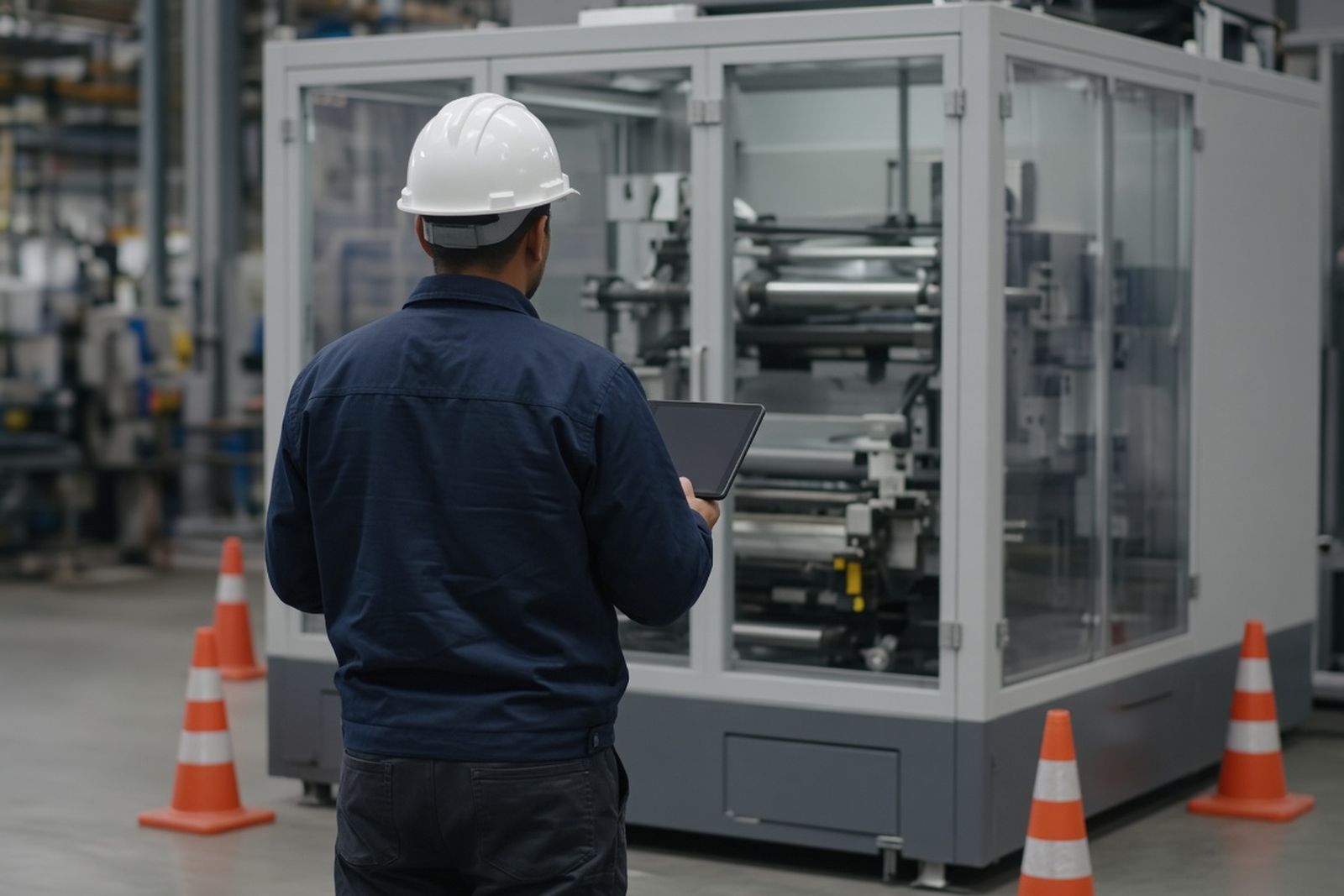
See how workplace injury cleanup, chemical spill response, equipment cleaning, and confined space work are planned and ordered for plants and job sites.
Insurance and payment
Which policies may respond, how to document a claim, and what to do if coverage is denied.
Planning tools
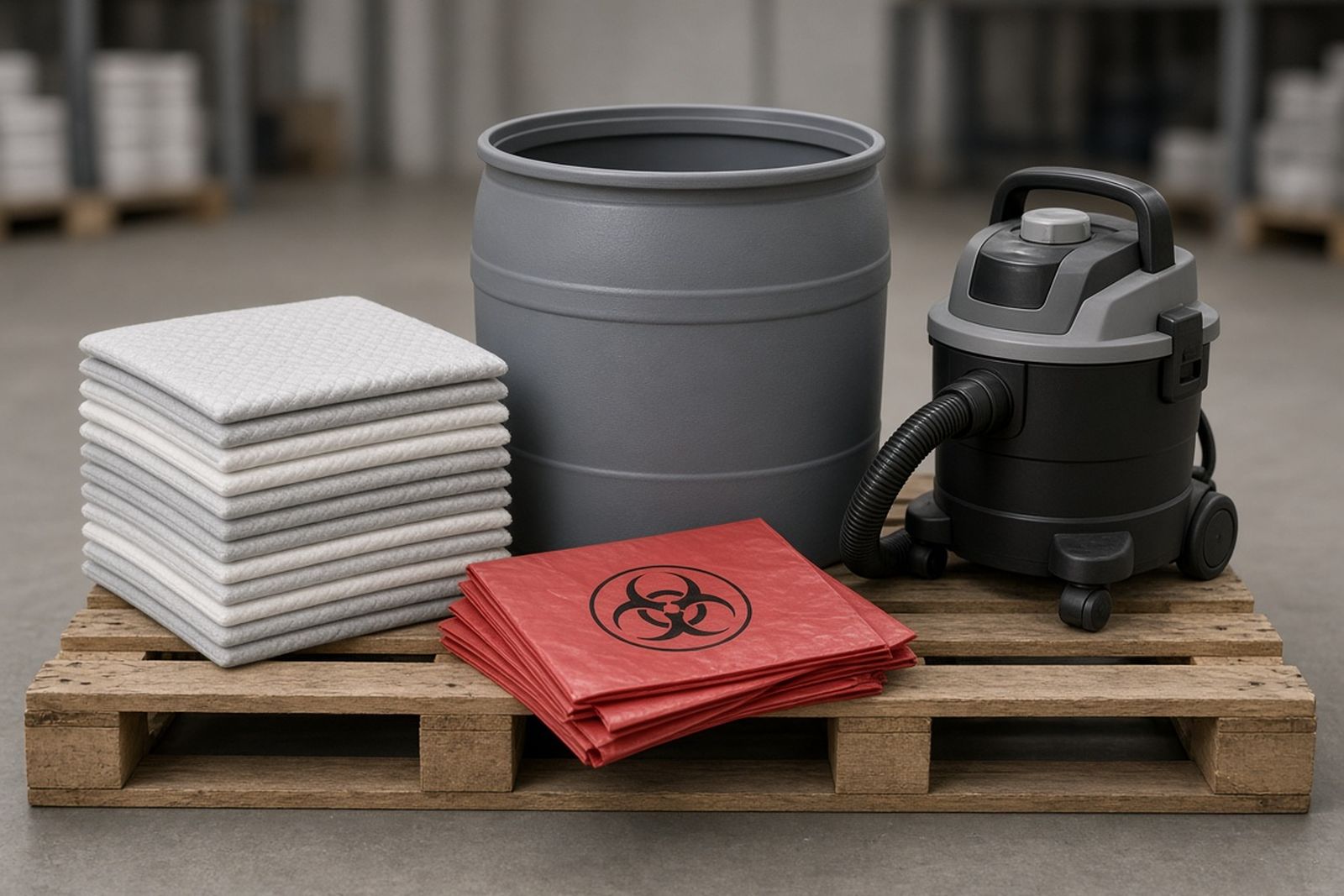
Planners and checklists built for facility managers. They cover cost ranges, contractor checks, insurance steps, first-day actions, waste sorting, and in-house risk.
Community polls
Compare your instincts with other operations and safety leaders on scene holds, restart pressure, choosing a contractor, and supporting affected workers.
Knowledge quiz
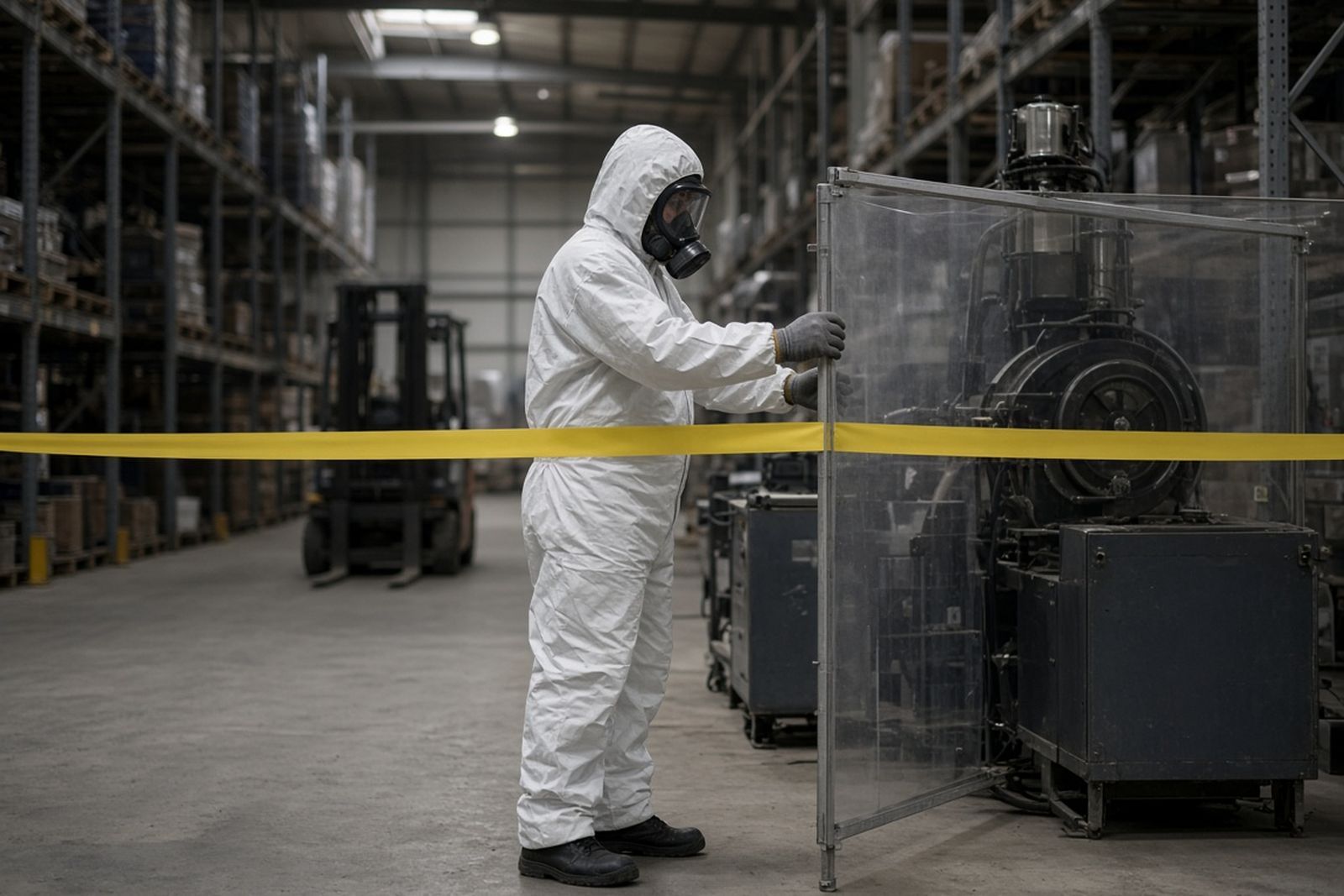
Test what you know about spotting hazards, scene control, sealing off areas, disinfecting, waste paths, and records before an accident puts it to use.
Articles and resources
Practical articles on OSHA report deadlines and working with investigators. Others cover sites shared by several employers, planning the restart, and hard lessons other plants learned.