These services cover the most common kinds of industrial accident cleanup. Each one explains who it fits, how the work runs, and what your team should receive for the incident file.
Get an email reply about industrial accident cleanup
Send a short message to the follow-up inbox. A coordinator can reply by email. This form does not send emergency help; call 911 first if anyone is in danger.
Matching the service to the incident
A single accident can call for more than one service. A hand injury at a press may need both injury cleanup and equipment decontamination. A drum leak in a pit may need chemical response and confined-space work. Tell the provider everything that was involved so they can staff the job right.
Every service here works inside your safety rules. Your team keeps control of lockout, permits, and restart decisions. The crew adds the training, gear, and waste handling needed for the hazard in front of them.
The services, one by one
Workplace Injury Cleanup
Who it is for: Plants, warehouses, shops, and job sites where a worker was cut, crushed, or otherwise hurt and blood reached floors, machines, or walkways.
After the injured worker is gone and any hold is lifted, the crew confirms lockout with your team. They contain blood on floors and equipment, pick it up with absorbents, and clean the surfaces before disinfecting them. Shared tools and nearby controls are cleaned too. Blood waste is packed for a licensed medical waste hauler.
What you should get: A written scope, before and after photos, and a note of which surfaces and tools were cleaned or discarded.
Chemical Spill Response
Who it is for: Facilities where a drum, tote, line, or tank released a chemical during an accident, with or without injuries.
The crew reads the safety data sheet and labels before choosing absorbents or neutralizers. Drains are protected and the area is split into zones. The spill is contained, picked up, and the surfaces treated as the chemical requires. Waste is tested if needed, labeled, and packed for a proper disposal site.
What you should get: Waste shipping papers, disposal receipts, and notes you can use in any report to regulators.
Equipment Decontamination
Who it is for: Plants with machines, forklifts, tools, or controls that were soiled by blood or a chemical and must be cleaned before restart.
With the equipment locked out, the crew removes absorbents and debris from the machine. Exterior surfaces, guards, handles, and controls are cleaned and then disinfected or treated. Parts that need to be taken apart are flagged for your maintenance team or the maker's service tech.
What you should get: A list of what was cleaned, what was not, and what needs a maker's service before the machine runs.
Confined Space Cleanup
Who it is for: Sites with pits, tanks, vaults, silos, or sumps that were contaminated and need someone to go inside.
Before anyone enters, the crew checks the permit, the attendant, air testing, and a rescue plan. Workers go in with gear and communication suited to the space. Material is removed through a controlled path, and workers and tools are cleaned at the exit point.
What you should get: Entry records, air test readings, and notes that go with your permit file.
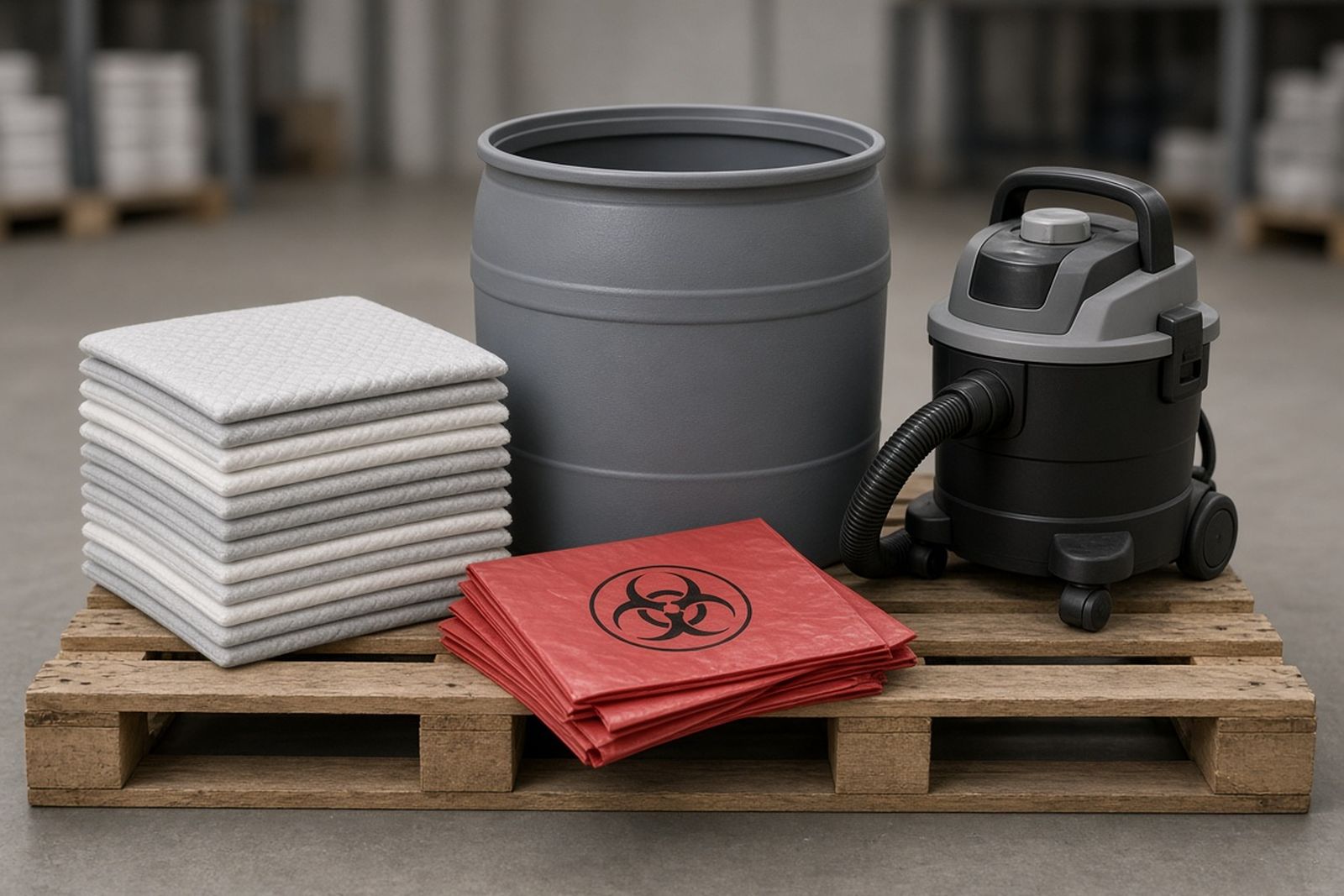
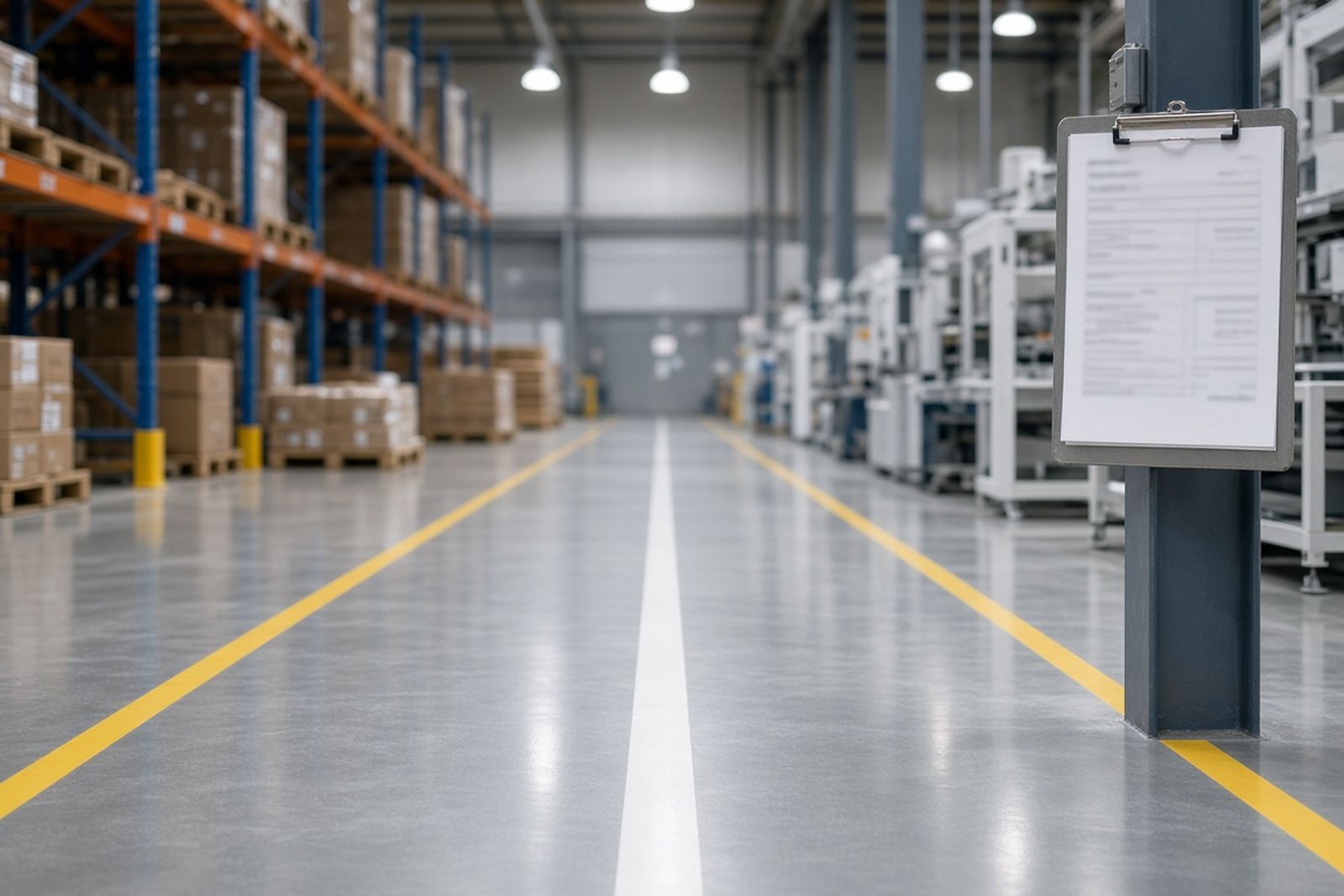
Illustrative photo, not a job record. Absorbent pads, a drum, a shop vacuum and red biohazard bags on a pallet in a warehouse.Illustrative photo, not a job record. Clean warehouse aisle with fresh floor lines and a sign-off sheet clipped to a post.
Industrial Accident Cleanup in numbers
$4,000
Hazmat cleanup projects cost a national average of about $4,000, with a typical range of $3,000 to $5,000 and extremes of $1,500 to $25,000.
Read with care: Cost-guide estimate, not a survey of industrial contracts; large facility incidents can exceed the range.
Source: Fixr (2025)United States, consumer cost guide updated January 2025
54%
54% of respondents expressing a view considered environmental regulation insufficient.
Read with care: Self-reported behaviour; event-specific communications.
Source: Savoia et al. (2015)690 West Virginia adults surveyed online in February 2014, including affected and unaffected areas.
3.1 per 100 FTE
Waste management and remediation services had a total recordable injury rate of 3.1 cases per 100 full-time workers in 2023.
Read with care: Rate covers all remediation and waste work, not biohazard cleanup specifically.
Source: BLS (2023)United States private industry, NAICS 562, 2023
97.9%
97.9% in the nearer zone recalled mercaptan odor versus 77.6% in the farther zone.
Read with care: Reported symptoms and odor; not measured individual exposure doses.
Source: Behbod et al. (2014)204 household representatives surveyed in two distance zones, September 2012.
These figures are public research and agency data, not this network's own job records. Keep each number with its population, year and limits; none of them predicts cost, timing or outcome at a specific property.
Outside the scope of this work
Investigating why the accident happened. Your safety team, OSHA, and your insurer handle that.
Medical care or follow-up for exposed workers. Your occupational health provider or a doctor handles it.
Repairing or re-certifying damaged machines. The equipment maker or your maintenance team does that.
Legal advice about OSHA citations or lawsuits. Talk to an employment or safety attorney.
Digging up and replacing contaminated soil outdoors. An environmental contractor handles that under state rules.
After the crew leaves
Your team decides when to restart, using your own checks and the crew's notes. Watch for lingering chemical odor or residue near drains and seams in the days that follow. File the scope, photos, waste papers, and sign-off with the incident report. Use them in your review of what caused the accident and what should change.
Coworkers who saw the accident or helped the injured worker may struggle afterward. Point them to counseling benefits the company offers and give people time to talk. If anyone speaks of harming themselves, the 988 Suicide and Crisis Lifeline takes calls and texts at any hour.
Findings from published studies of people and properties in situations like this one. They describe what researchers observed in a specific group; they are not predictions for your case.
Used wipes retained spores during and after wiping.
Every count is a real visitor vote; nothing is seeded or padded. One vote per poll per device, and you can change your answer.
Your experience
After a serious injury on the floor, what was your hardest early decision?
No visitor votes yet
Process
How did your facility handle cleanup after a serious blood incident?
No visitor votes yet
Industry
How would you rate the pressure to restart production after an incident?
No visitor votes yet
Before you hire: industrial accident cleanup questions
What makes a space confined, and why does it matter?▼
OSHA describes a confined space as one big enough to enter, with limited ways in and out, and not built for people to stay in. Pits, tanks, and vaults often qualify. Some need a permit because of bad air, engulfment risk, or other hazards. Entering without the right setup is a leading cause of rescuer deaths, so crews follow strict steps.
Can the crew take off machine guards to clean underneath?▼
Only with your approval and under your lockout rules. Many crews will remove simple covers and guards, but they should not take apart drive parts, sensors, or safety devices. Your maintenance team or the maker's tech should reinstall and test guards before restart. Agree on this in writing before work begins so no one assumes the other side will handle it.
Does the crew bring its own air monitors?▼
A crew doing chemical or confined-space work should bring air monitors that are calibrated and suited to the hazard. Ask which gases or vapors they can detect. Your site may also have its own monitors and rules for who reads them. Agree on whose readings count before entry, and keep copies of the readings in your file.
What if the chemical reacts with water?▼
Some chemicals give off heat or gas when wet, which is one reason not to hose a spill. The safety data sheet will say whether water is a problem. The crew will use dry absorbents and keep moisture away. Tell the crew if sprinklers went off or anyone added water before they arrived, since that changes their plan.
Can the crew clean a spill that reached soil or gravel outside?▼
They can remove what is on the surface and stop it from spreading. If the chemical soaked into the ground, digging it out and testing the soil is usually a job for an environmental contractor. Your state environmental agency may need a report and may set the cleanup level. Keep photos of the outdoor area before and after.
How are rented or leased machines handled?▼
Tell the rental company or lessor as soon as possible. Their contract may say who can clean the machine and whether it must be returned for service. Some will want their own tech involved. The crew can clean the outside but should not take apart leased equipment without the owner's okay. Keep a copy of the cleaning record for the owner.
What changes when a worker died at the scene?▼
Police and the medical examiner or coroner control the scene until they release it. OSHA will likely inspect. Cleanup waits for those releases, and the crew should be told the details so they can prepare. Because coworkers may be deeply affected, many sites keep the area screened during cleanup and bring in grief support for staff.