Industrial Accident Cleanup: Process & What to Expect
Property-specific walkthroughs for industrial accident cleanup: assessment, scope approval, hazard controls, material decisions, documentation, verification, and restoration handoff. Not every phase applies to every incident.
When a workplace injury or chemical spill stops a production line, you need a clear picture of what happens next. That covers the time from when medical care ends to when equipment runs again. The articles in this category walk through those steps from the facility's side. They explain how a cleanup team works with your EHS lead. They show why securing the scene and locking out machines come before any wiping. They also explain how blood and body soils are handled apart from process chemicals when both are present. You will also learn what your own staff should and should not touch while waiting for a provider. That way a well-meant first hour does not create extra exposure or destroy information investigators may want.
Get an email reply about industrial accident cleanup
Send a short message to the follow-up inbox. A coordinator can reply by email. This form does not send emergency help; call 911 first if anyone is in danger.
Knowing how the work flows matters because pressure to restart is real on a plant floor. Supervisors often want to know how long a line will be down. But that depends on how far contamination spread and how the equipment is built. It also depends on confined-space conditions and the finish standards your safety team agrees to. These articles explain those factors instead of guessing at timelines. They describe how sealed-off zones let nearby work continue, but only when the separation is real. They show how waste is gathered and labeled before it leaves the dock. They also cover what paperwork you should expect at handoff. With that knowledge, you can ask better questions during the planning call. You can also set realistic hopes with production managers who are watching the schedule.
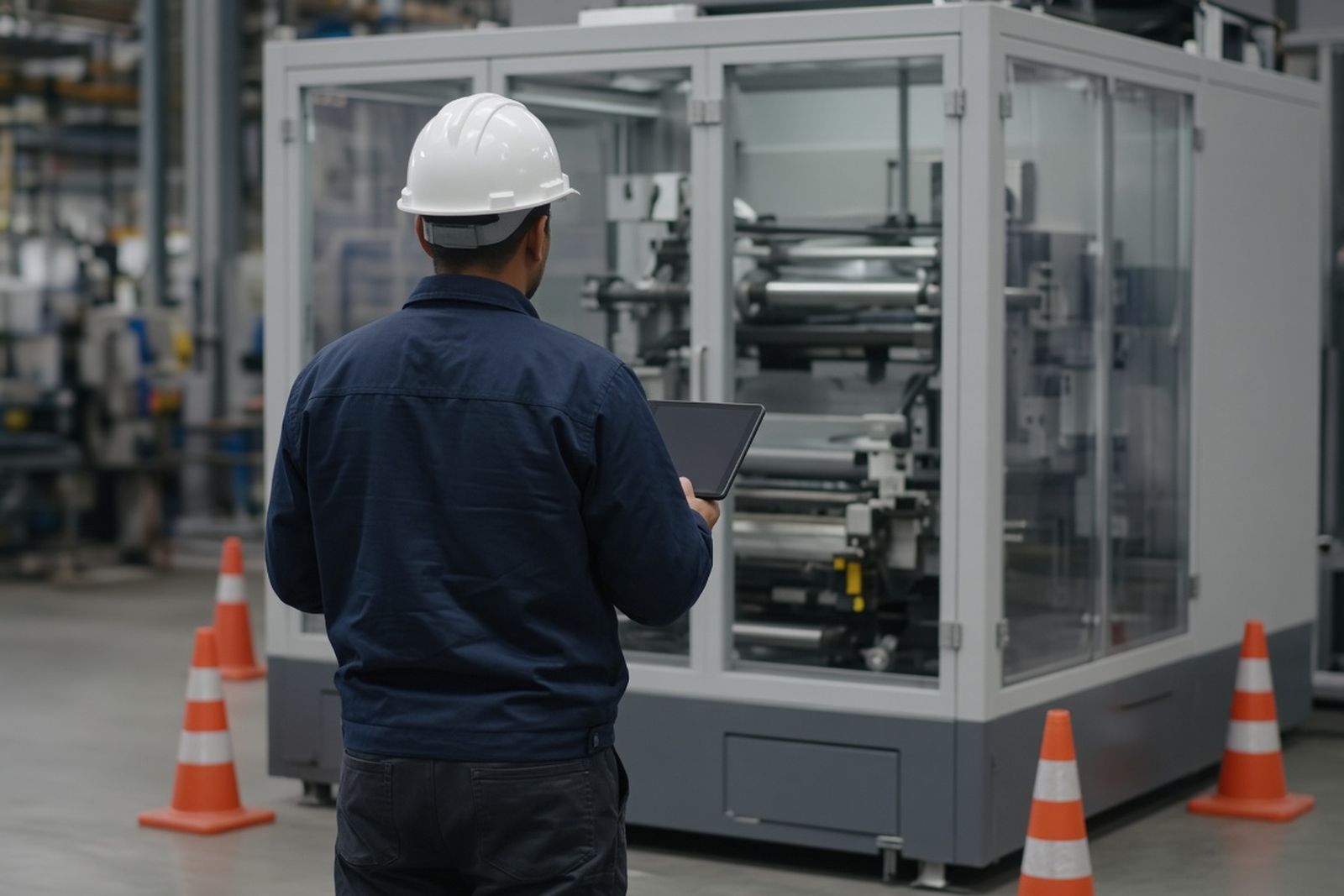
What to Expect During Professional Industrial Accident Cleanup
From scene release to equipment handback, how a professional crew cleans up after a serious injury on a plant floor, warehouse dock, or construction site.
After investigators release the scene, expect a walkthrough with your safety and maintenance leads, a written scope, and lockout coordination before any equipment is touched. The crew sets up containment, removes gross contamination, disassembles guards where needed, cleans and disinfects surfaces for the labeled contact time, and packages waste for disposal. The job ends with a joint inspection, a report, and formal handback of equipment to your team.
How Long Does Industrial Accident Cleanup Take?
Investigation holds, lockout, machine teardown, and waste sorting all shape how long a line stays down after a workplace injury. Here is how to plan for it.
Industrial accident cleanup time depends on when investigators release the scene, how much equipment must be locked out and disassembled, how far fluids spread across porous floors and machine cavities, and how waste must be sorted. A contained floor incident may be handled within a shift, while machinery involvement, chemical mixing, or a fatality investigation can extend work across several days.
Urgent Industrial Accident Cleanup: What to Do Before a Provider Arrives
A serious injury just happened on your floor. What supervisors should do in the first hours to protect people, preserve the scene, and set up a safe cleanup.
Get the injured worker care, call 911 if needed, and stop or lock out the equipment involved. Then clear and barricade the area, keep coworkers out, and leave tools, guards, and materials where they are. Report qualifying incidents to OSHA within the required window and ask whether to preserve the scene. Document from the perimeter, support your crew, and wait for release before any cleanup starts.
Sourced figures on process & what to expect
- 90%
Americans spend approximately 90 percent of their time indoors, according to EPA.
Read with care: Average figure; children, elderly and ill people spend even more time indoors.
Source: US EPA (2026)US population average
- 23-40%
Handwashing with soap reduces the number of people who get sick with diarrhea by 23-40%, according to the CDC.
Read with care: Range reflects varied study designs and settings; reductions are for diarrheal illness broadly, not any specific pathogen.
Source: CDC (2024)Global and US, general population, CDC summary of published studies
- 24–48 hours
EPA advises drying water-damaged areas and items within 24 to 48 hours to prevent mold growth.
Read with care: The window is shorter in warm, humid conditions.
Source: US EPA (2026)Residential guidance, United States
These figures are public research and agency data, not this network's own job records. Keep each number with its population, year and limits; none of them predicts cost, timing or outcome at a specific property.
What research has found
Findings from published studies of people and properties in situations like this one. They describe what researchers observed in a specific group; they are not predictions for your case.
Used wipes retained spores during and after wiping.
Nearer-zone residents more often reported eye irritation, breathlessness and agitated behaviour attributed to exposure.
Process & What to Expect: common questions
Can other parts of the plant keep running while cleanup happens in one area?
Sometimes, but only when the separation is real and not just assumed. That usually means physical barriers and set walking routes. It also means airflow that does not pull air from the work zone toward areas where people are working. Your EHS lead and the cleanup supervisor should agree on those boundaries in writing. If workers would need to walk through the affected space, or shared air systems cannot be sealed off, pausing nearby work is often safer.
What should our staff do before the remediation team arrives?
Keep people out of the affected area. Leave any lockout that is already in place. Do not hose, sweep, or wipe soiled surfaces. Gather safety data sheets for any chemicals involved. Note which machines were running at the time. Do not throw away soiled rags or packaging, because they may need to be sorted as a certain type of waste. Before the crew arrives, your job is to protect people and leave things as they are. It is not to start the cleanup yourself.
How do we know when equipment is ready to return to service?
The decision to restart should rest on standards agreed before work starts. These may include how surfaces must look, records showing how long the disinfectant stayed wet, and any swab or air test results your safety team requires. The provider should hand over records showing what was cleaned, what was removed, and which areas were left out of the job. Your facility, not the contractor alone, makes the final call on restarting a machine or process.
Who from our facility should be the main contact for the cleanup crew?
Choose one person per shift who knows the affected equipment. That person should be able to reach maintenance and EHS quickly and have authority to approve small changes. They answer the crew's questions, arrange lockout, and keep a log of decisions. Having a single contact avoids mixed instructions from different managers. It also makes it easier to keep an accurate record of what happened during the work.
How will we know what the crew did each day of a longer job?
Ask for a short daily summary. It should cover areas finished, problems found, waste removed, and plans for the next shift. Many contractors send this by email or share it in a short meeting at shift change. Daily summaries help you update leaders and catch changes to the job early. They also help you build the final record without relying on memory at the end.
What happens to production materials that were in the affected area?
Raw materials, work in progress, and finished product near the scene are reviewed during the walkthrough. Some can be cleaned. Some must be thrown away. Some are simply moved once the area is released. Your quality team should decide what can be saved. This is especially important for food, medicine, or other sensitive products. Write down the decisions and amounts for insurance and inventory.
Should employees be told when cleanup is happening in their area?
Yes. Let affected employees know when and where work is happening and which areas are off limits. Tell them what to expect, such as barriers, equipment, or odors. Give them a way to ask questions. Some employees may prefer to stay away from the area during the work. A simple heads-up lets them plan and eases worry.
Related community polls
Every count is a real visitor vote; nothing is seeded or padded. One vote per poll per device, and you can change your answer.
After a serious injury on the floor, what was your hardest early decision?
How did your facility handle cleanup after a serious blood incident?
More on industrial accident cleanup
Industrial Accident Cleanup services
See how workplace injury cleanup, chemical spill response, equipment cleaning, and confined space work are planned and ordered for plants and job sites.
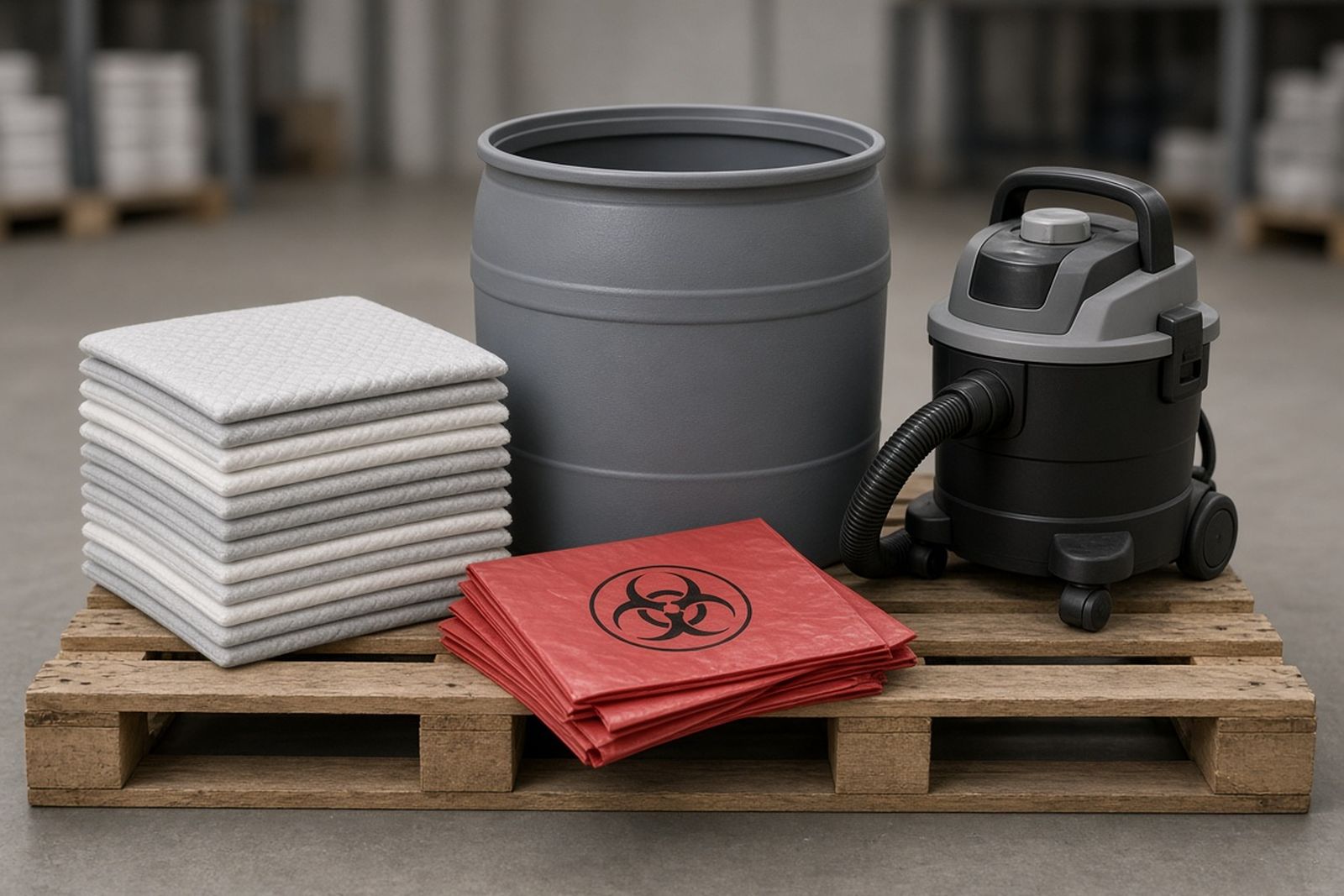
Costs explained
What drives the price, published cost ranges, and how to read a written quote line by line.
Insurance and payment
Which policies may respond, how to document a claim, and what to do if coverage is denied.
Planning tools
Planners and checklists built for facility managers. They cover cost ranges, contractor checks, insurance steps, first-day actions, waste sorting, and in-house risk.
Community polls
Compare your instincts with other operations and safety leaders on scene holds, restart pressure, choosing a contractor, and supporting affected workers.
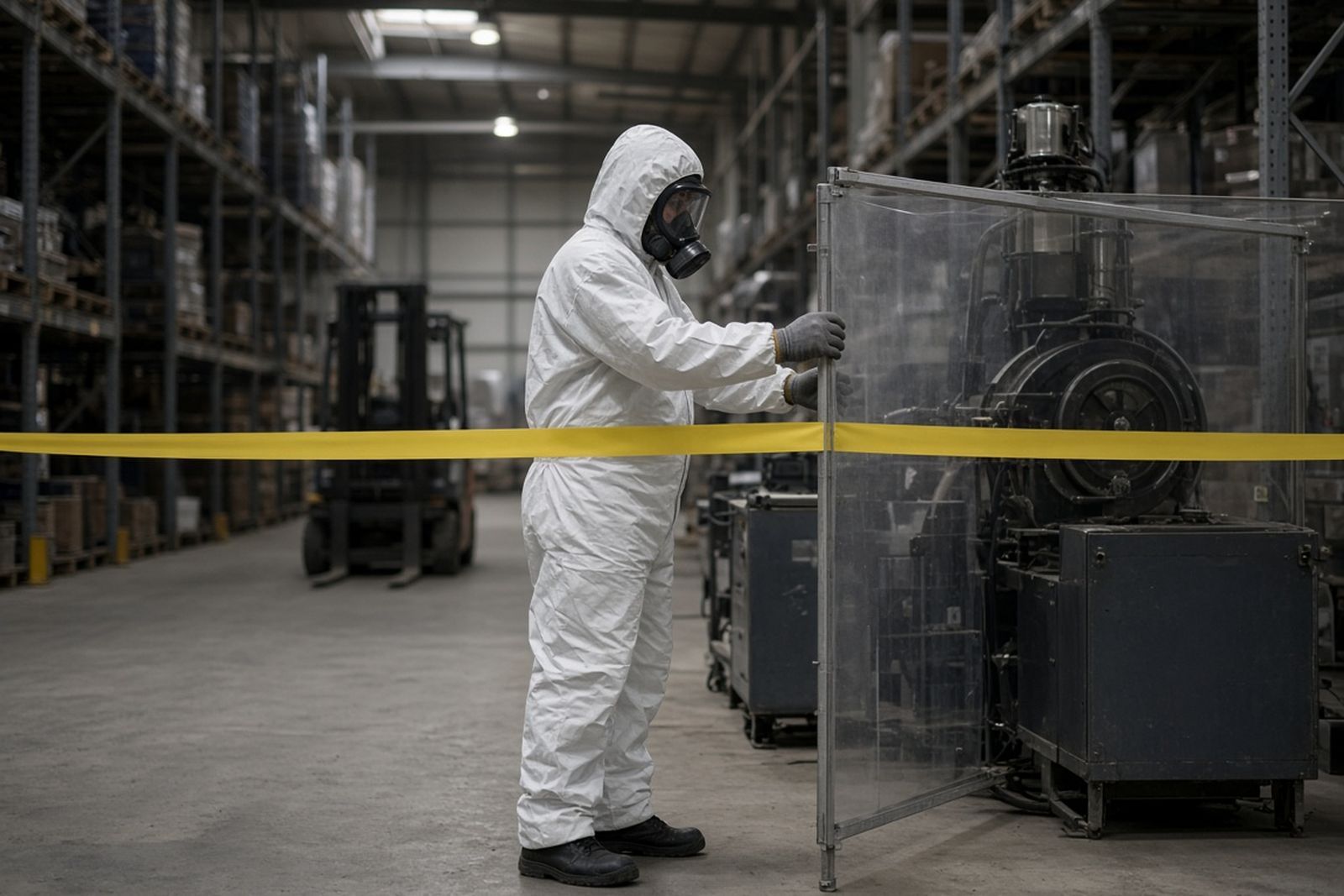
Knowledge quiz
Test what you know about spotting hazards, scene control, sealing off areas, disinfecting, waste paths, and records before an accident puts it to use.