Short answer
Get the injured worker care, call 911 if needed, and stop or lock out the equipment involved. Then clear and barricade the area, keep coworkers out, and leave tools, guards, and materials where they are. Report qualifying incidents to OSHA within the required window and ask whether to preserve the scene. Document from the perimeter, support your crew, and wait for release before any cleanup starts.
People first
People come before everything else. Call 911 if the injury is serious, and make sure trained first aid responders reach the injured worker quickly. If machinery is involved, stop it using the nearest emergency stop and keep anyone else from reaching into the hazard zone.
Once emergency responders are on the way or on site, designate one person to meet them at the entrance and guide them to the scene. In a large plant or warehouse, that simple step can save critical minutes.
Only after the injured person is in the care of medical responders should your attention turn to the scene itself. Nothing about cleanup, production, or documentation should slow down care.
Making the area safe without disturbing it
Your goal is to stop further harm while changing as little as possible. That can feel contradictory, but in practice it means isolating the area rather than fixing it.
If there is any chance of chemical exposure, such as a leaking line, a ruptured container, or an unusual odor, evacuate the area and follow your emergency response plan. Harmful exposures are a serious category of workplace harm on their own. BLS reported that exposure to harmful substances or environments caused 820 U.S. worker deaths in 2023, falling to 687 in 2024. Do not send employees into an area with an unknown chemical hazard to check on equipment or clean up.
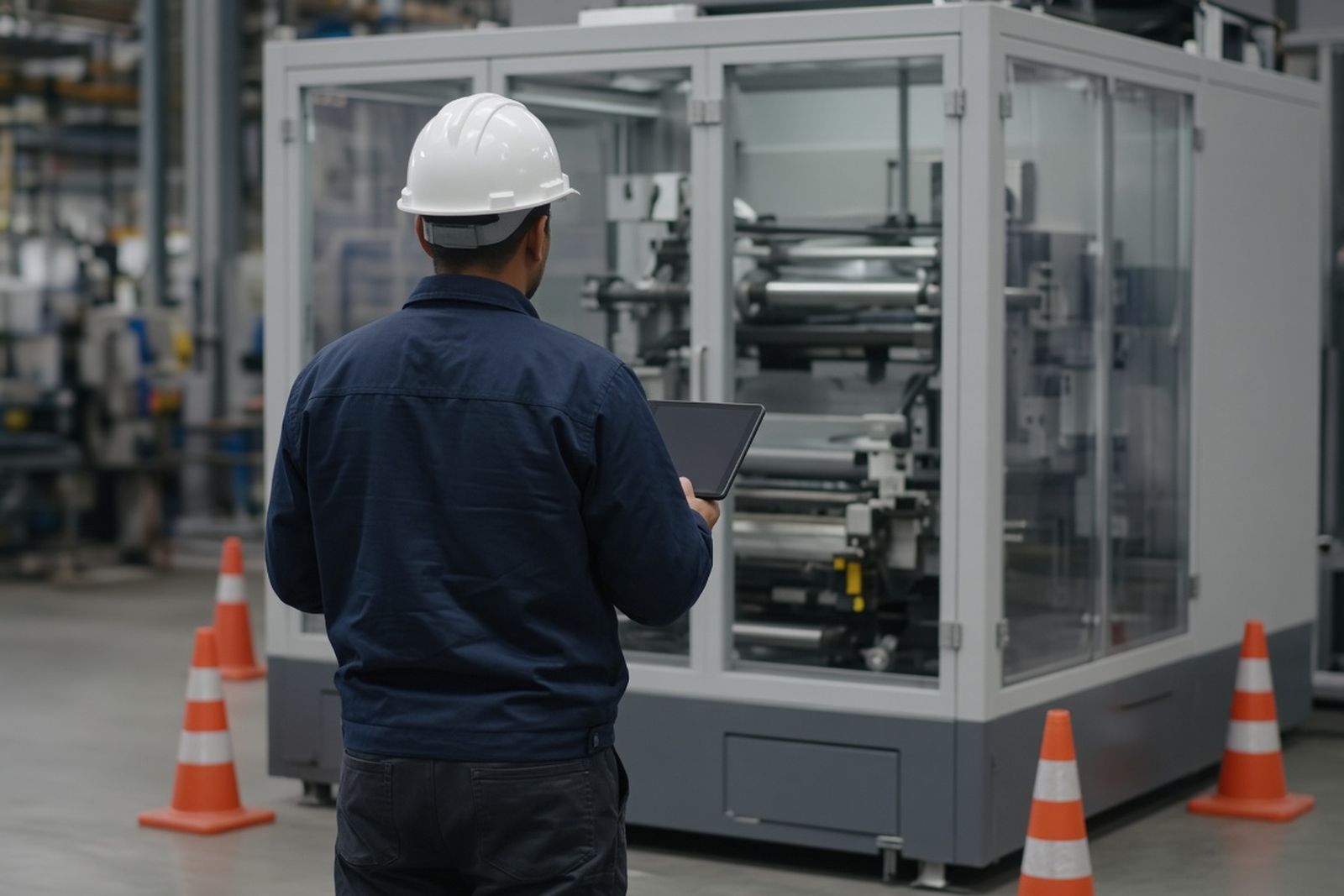
- Lock out and tag out the equipment involved under your procedure so it cannot cycle or restart
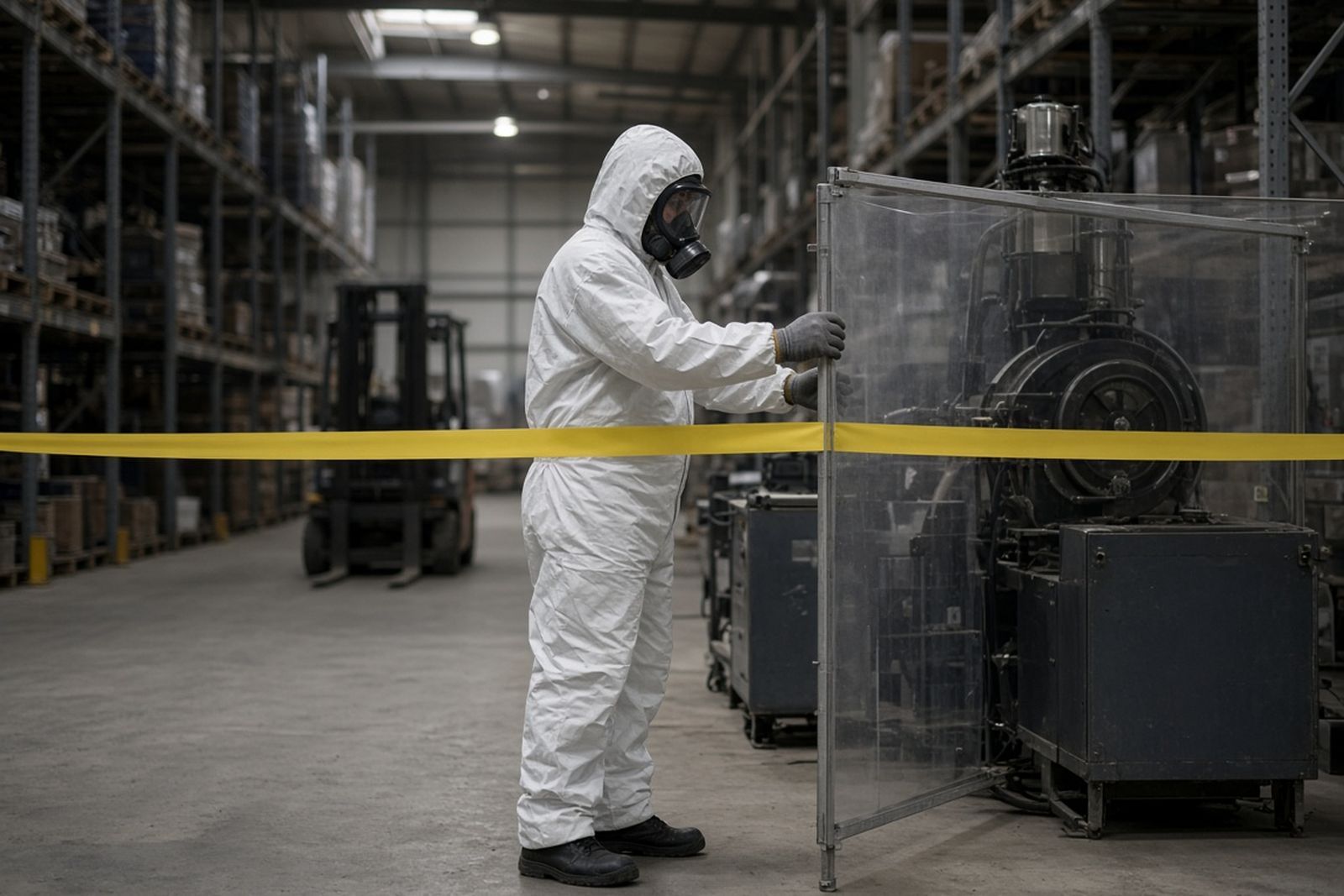
- Barricade or rope off the incident footprint with a margin around it
- Keep coworkers, visitors, and drivers out of the area
- Leave tools, guards, parts, and spilled materials exactly where they are
- Stop forklift and foot traffic that would pass through the area
- Assign someone to stand at the perimeter and keep a log of who enters
Do you need to call OSHA, and does that affect cleanup?
Certain outcomes, including work-related fatalities, in-patient hospitalizations, amputations, and loss of an eye, must be reported to OSHA within short windows set by 29 CFR 1904.39. Your safety manager or HR lead should know the process. If you are not sure, report rather than guess.
When you report, ask directly whether you should preserve the scene for an inspector. Write down the answer, the date and time, and the name of the person you spoke with. Local law enforcement or a medical examiner may also place their own hold on the area, particularly after a fatality.
Until everyone with a say has released the scene, no cleanup should begin. A remediation contractor can be called and staged, but should wait at the perimeter.
Why shouldn't coworkers clean up the scene?
After a serious injury, coworkers often want to help, and cleaning up can feel like a way to restore order. It is still the wrong choice, for several reasons.
First, blood and body fluids carry exposure risks that call for training and protective equipment most production employees do not have. Second, cleaning disturbs evidence that investigators, your safety team, and your carrier need to see. Third, asking people to scrub the place where a colleague was hurt can add to the emotional impact of what they just witnessed.
Thank people for wanting to help, and give them something useful to do instead, such as keeping the perimeter clear, finding safety data sheets, or supporting coworkers who are shaken.
The same applies to small, well-meant gestures, such as covering blood with sawdust, wiping down a control panel, or moving a damaged part to a workbench. Each changes the scene in a way that may be impossible to reverse. If something poses an immediate hazard, such as a slipping risk at the edge of a walkway that must stay open, cover or cordon it rather than cleaning it, and note what you did.
What to write down while you wait
Good notes taken in the first hours are far more reliable than memories reconstructed days later. Assign someone calm and organized to capture the basics.
Record the time of the incident, who was present, what equipment was running, what the injured worker was doing, and what actions were taken afterward. Photograph the scene from the perimeter without stepping inside the barricade. Note environmental conditions, such as lighting, noise, and floor surface, that investigators may ask about.
Keep the notes factual. Avoid speculating about cause in writing; that is the job of the investigation. Store the notes and photographs somewhere secure and share them with your safety lead.
If your facility has security cameras covering the area, ask whoever manages them to preserve the footage right away. Many systems overwrite recordings automatically, and investigators often ask for video early.
Supporting witnesses and notifying the right people
Witnessing a serious injury at work can be deeply upsetting, even for experienced employees. Some people will want to talk; others will go quiet. Both reactions are normal.
Consider pausing work in the surrounding area, not only the incident footprint, so people have a moment to collect themselves. Share information about your employee assistance program right away, and let supervisors know it is fine to send someone home if they are not in a state to work safely.
If the incident was a fatality, or if anyone expresses thoughts of harming themselves in the days that follow, connect them with support immediately. The 988 Suicide and Crisis Lifeline is available by call or text at 988 for anyone who needs someone to talk to.
Beyond emergency services and regulators, a serious incident sets off a chain of notifications inside your organization. Getting these right early prevents confusion and keeps rumors from filling the gap.
Your plant manager or site lead, your corporate safety or EHS team, human resources, and your insurance contact usually need to know quickly. If the injured worker's family has not been contacted by medical responders, HR or a senior leader should handle that call with care and privacy. Supervisors on other shifts should be briefed before their people arrive, so they are not caught off guard by questions or by a barricaded area.
For the wider workforce, a short factual message is usually best: an employee was injured, they are receiving care, the area is closed while the incident is reviewed, and support is available. Avoid sharing medical details or speculating about cause.
If customers or deliveries will be affected, operations can handle that separately. The priority in these hours is the people inside your building.
Walk-through: the first two hours at a warehouse (illustrative)
To show how these steps fit together, here is an illustrative sequence, not an account of a real incident. A night-shift supervisor at a regional warehouse hears a shout from the pick area. A worker has been struck by a falling load from upper racking and has a serious leg injury.
The supervisor calls 911, sends a lead to meet paramedics at the dock door, and asks the trained first aid responder to stay with the injured worker. Forklift traffic in that aisle is stopped. After the worker is transported, the supervisor ropes off the aisle, leaves the fallen load and pallet in place, and assigns someone to log entries.
The supervisor calls the on-call safety manager, who reports the hospitalization to OSHA and asks about preserving the scene. The supervisor photographs from the aisle end, writes a short timeline, and moves the rest of the crew to a break room with information about the employee assistance program. A remediation contractor is called and told to stand by until release.
By the end of the shift, nothing has been cleaned, and that is exactly right.
Ready for release: what the contractor will need
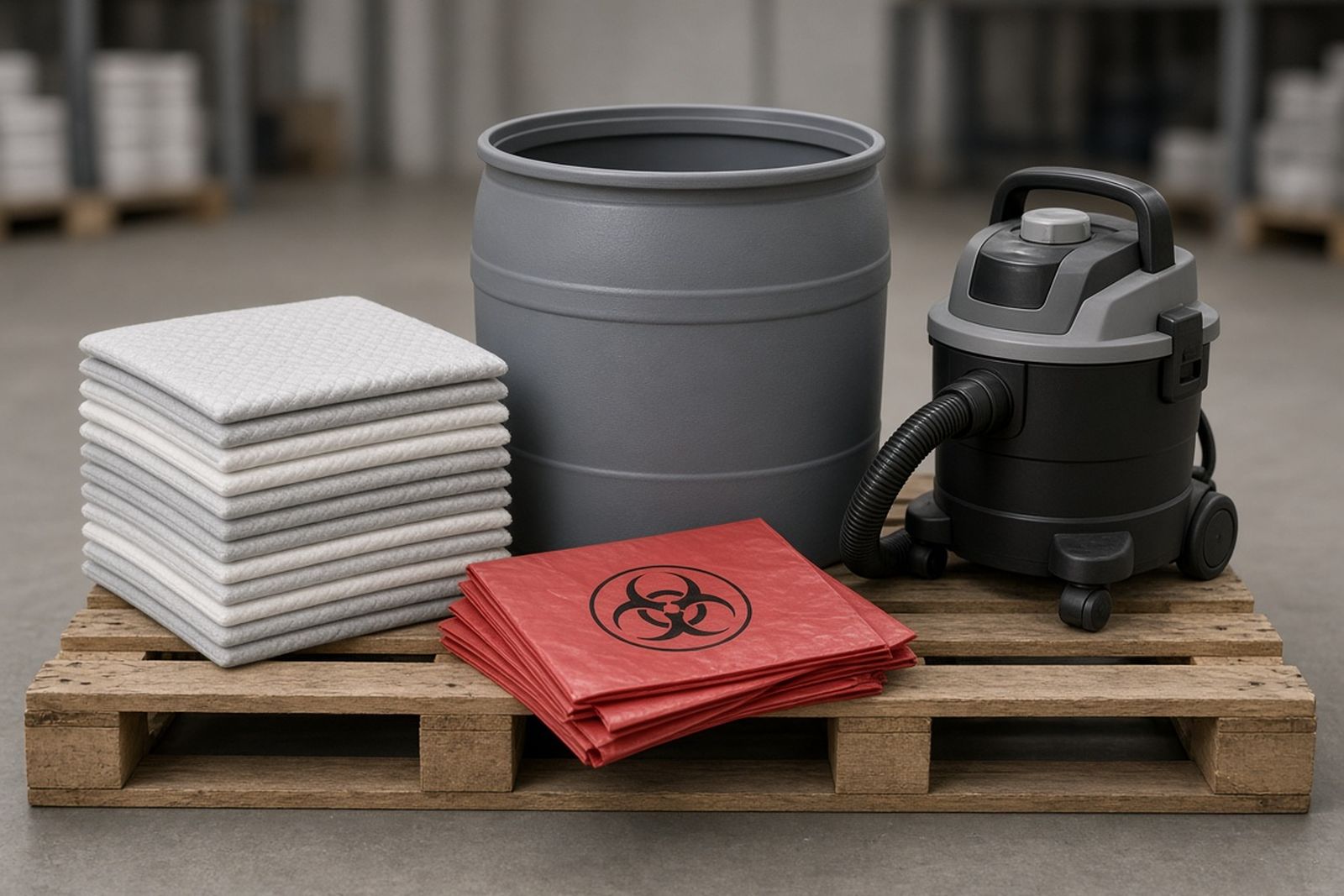
When the release comes, the goal is to let the contractor begin safely and efficiently. A little preparation goes a long way.
Ask your EHS lead to confirm any additional notifications or waste requirements before work begins.
- Written confirmation, or a documented phone confirmation, that the scene has been released
- Lockout already applied and a maintenance contact ready to coordinate
- Safety data sheets for any chemicals or fluids in the area
- Your perimeter photographs and incident timeline
- A designated point of contact from your team who will stay during the work
- Your site safety orientation materials for the contractor's technicians
- A clear path for equipment in and waste out that avoids occupied work areas