Short answer
After investigators release the scene, expect a walkthrough with your safety and maintenance leads, a written scope, and lockout coordination before any equipment is touched. The crew sets up containment, removes gross contamination, disassembles guards where needed, cleans and disinfects surfaces for the labeled contact time, and packages waste for disposal. The job ends with a joint inspection, a report, and formal handback of equipment to your team.
When can the cleanup crew actually start?
Not until the scene is released. After a serious workplace injury or fatality, investigators may need the area preserved. That can include OSHA, local law enforcement, a medical examiner, and your own internal investigation team. A remediation contractor who arrives early should wait at the perimeter until you confirm, in writing if possible, that the area can be disturbed.
Use that waiting time well. Share the incident basics with the contractor, send photographs taken from the perimeter, and gather safety data sheets for any chemicals in the area. Ask maintenance which energy sources feed the affected equipment so lockout can begin as soon as the release comes.
If you are not sure whether the scene has been released, ask. Cleaning too early can compromise an investigation, and that is far harder to fix than a short delay.
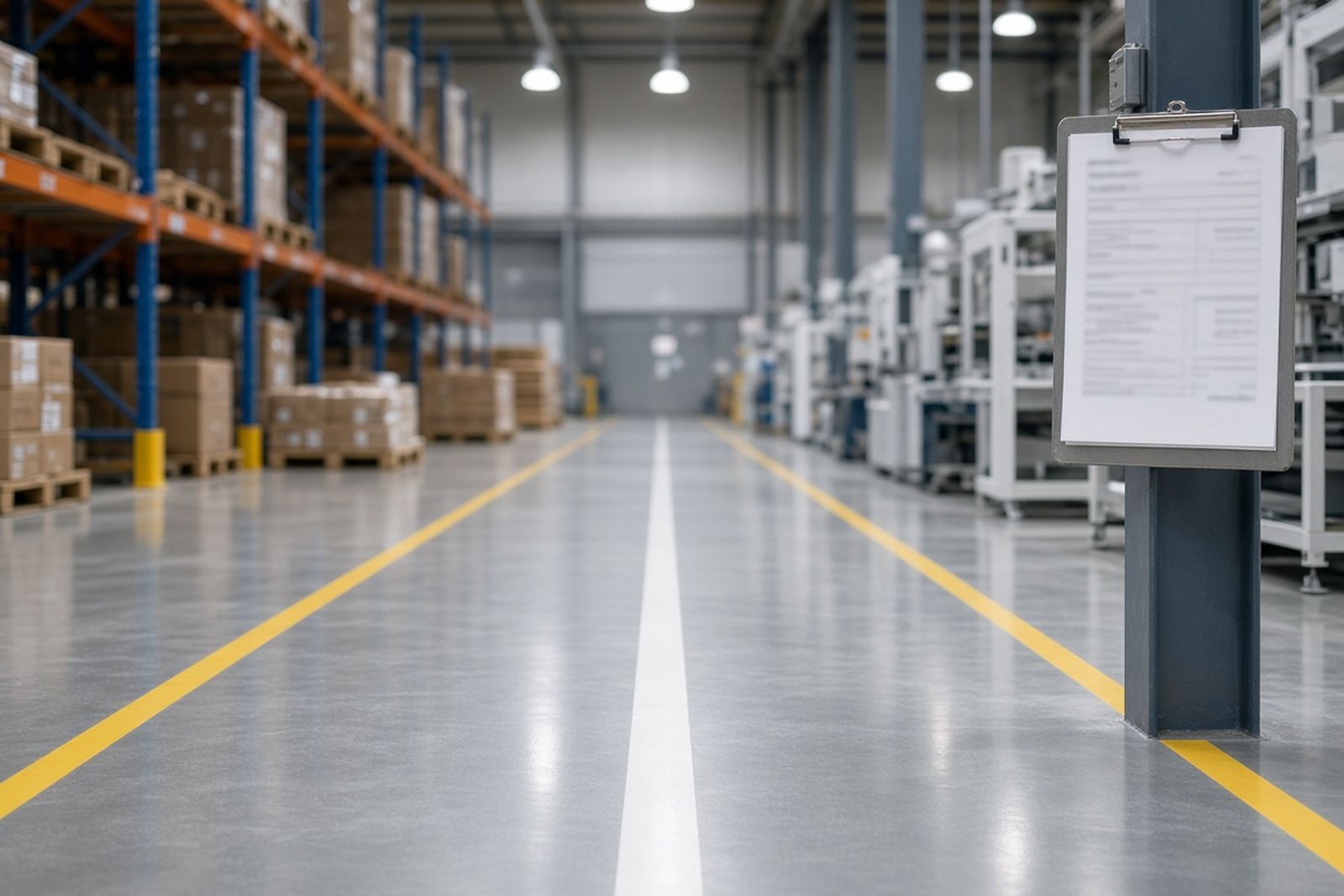
Keep a simple log during this period: who entered the area, when, and why. Investigators and your own team will both find it useful later.
The walkthrough
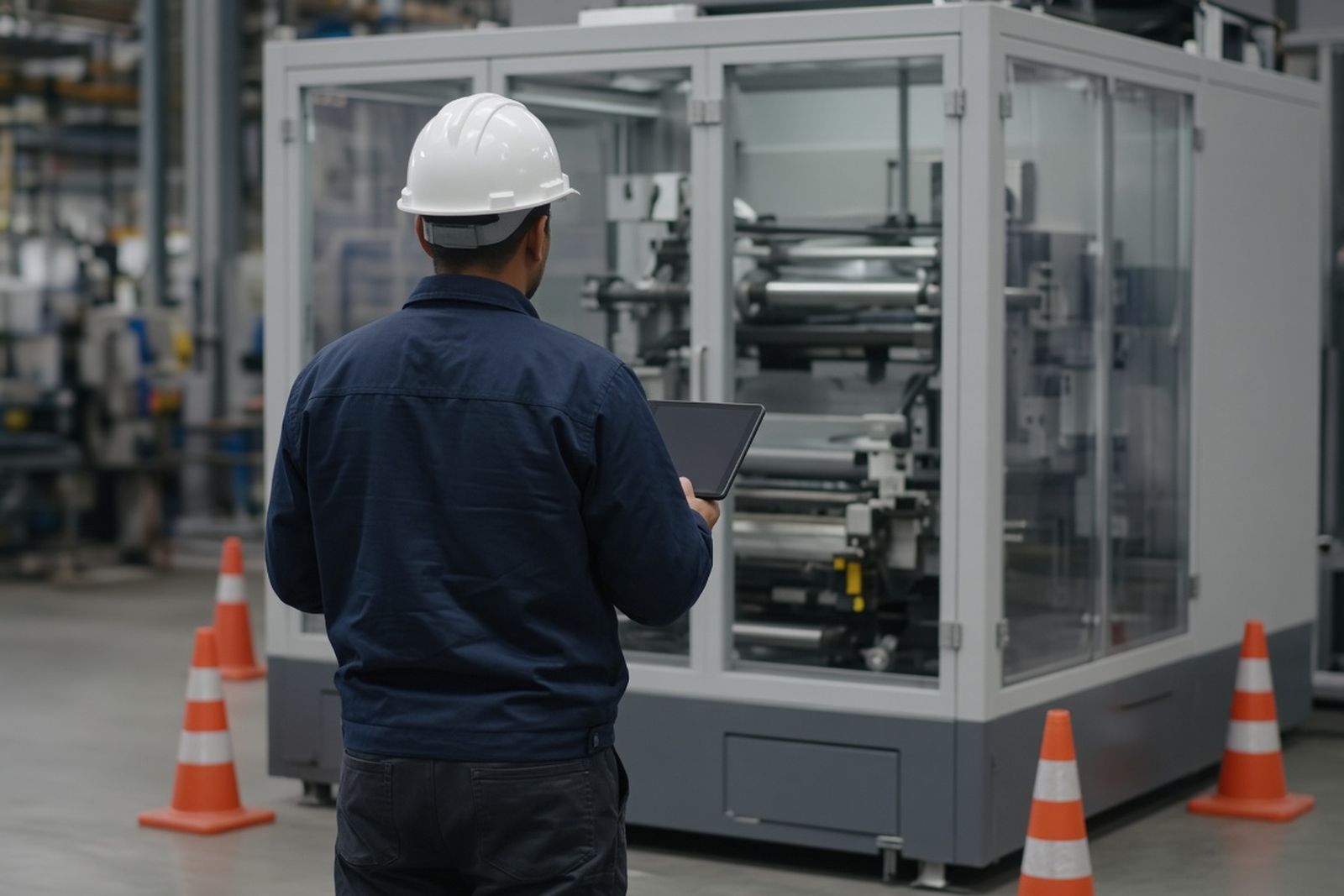
The walkthrough is a joint effort. The contractor's lead should walk the area with your safety manager and a maintenance lead who knows the equipment. Together, they identify where contamination is visible, where it may have traveled, and which machines or structures will need to be opened.
Expect questions about the equipment's design, what was running at the time of the incident, whether product or materials in the area can be discarded, and whether any surfaces are food-contact or otherwise regulated. The contractor may also ask about drains, sumps, and floor penetrations where fluids could have gone.
By the end, you should have a written scope or a clear timeline for one. It should name the areas and equipment included, the protective equipment level, the products to be used, lockout responsibilities, and the conditions that would trigger a change order.
Lockout, and why the crew is so careful
Machinery that has already hurt one person can hurt another, and the last thing anyone wants is a second injury during cleanup.
Before the crew touches any equipment, all energy sources should be isolated and verified under your lockout procedure. Many facilities have contractors apply their own personal locks alongside the facility's locks, so no one can restart the machine while a technician's hands are inside it.
Agree in advance who applies and removes locks, who verifies zero energy, who removes guards, and who reinstalls them. Write it down. Clear roles protect the crew, your employees, and your organization.
Remediation is itself physical, hazardous work. On an industrial site, crews face the same slip, pinch, and chemical hazards as your own employees, plus exposure to blood and body fluids.
That is why you may see the crew take time to review your site rules, ask for a safety orientation, and insist on specific protective equipment. It is also why they will stop work if conditions change, such as an unexpected chemical odor or an unstable structure.
Treat the contractor as part of your safety program for the duration of the job. Include them in any site briefings, share relevant hazards, and make sure they know your emergency procedures.
Once work begins: the usual sequence
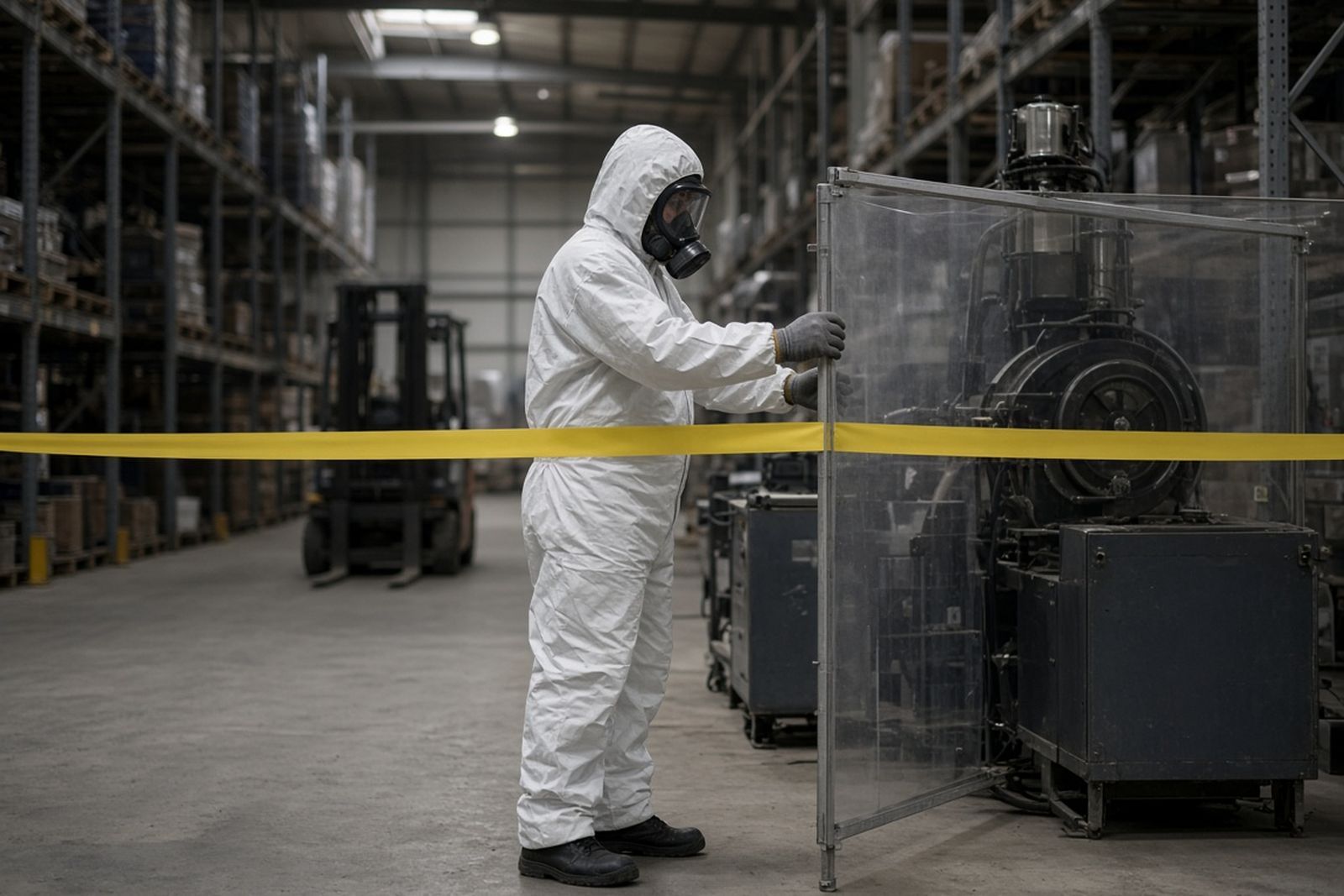
Most crews follow a consistent sequence, adapted to the site. They establish a controlled work zone with a clear entry and exit, put on protective equipment, and set up a place to remove and bag contaminated gear.
The work itself usually moves from gross removal to detailed cleaning and then to disinfection.
Expect the crew to photograph conditions as they go, especially once guards and covers come off. Those images show what was found inside the equipment and support both the change-order process and your investigation file.
Production nearby may be able to continue if the work zone is well separated, but ask the crew lead before restarting adjacent lines. Vibration, airflow from ventilation, and forklift traffic can all interfere with a contained work area.
- Remove bulk contamination and any debris that must be discarded, such as product, pallets, or rags
- Open guards, housings, and covers where contamination may have entered
- Degrease oily surfaces if needed so disinfectant can reach the underlying material
- Clean every affected surface to remove residue
- Apply a registered disinfectant and keep it wet for the labeled contact time
- Inspect hidden areas again once guards are off and lighting is better
- Package waste in labeled containers for transport and disposal
A typical two-shift job at a stamping plant
A serious press injury at a metal stamping plant shows how these steps usually unfold over two shifts once investigators release the area.
The walkthrough often finds contamination on the press bed, the surrounding floor, a parts bin, and the inside of a light curtain housing. Maintenance locks out the press and removes the side guards while the crew sets up a work zone. The parts bin and its contents are bagged for disposal, and the crew degreases, cleans, and disinfects the press surfaces before opening the light curtain housing to clean inside.
Hidden areas are where schedules change. Residue found late on the first day in a floor trench beneath the press, for example, should lead the crew to stop, show the safety manager, and add trench cleaning under a written change order. The second day then covers the trench, a joint inspection with maintenance, and handback with a report listing everything cleaned, discarded, and disposed of.
Many plants also run a safety stand-down with the affected shift before the press restarts.
Waste removal and handback
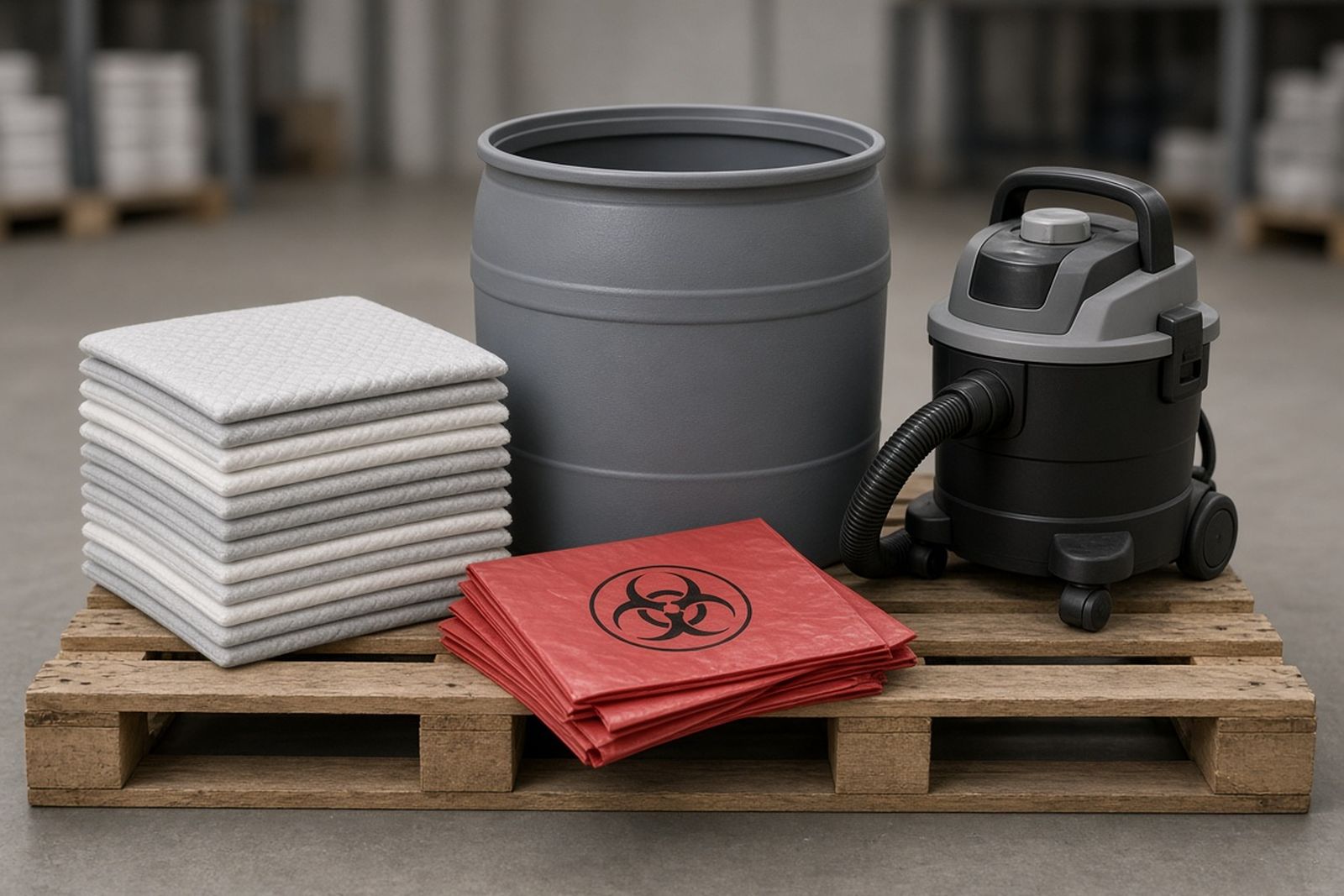
Contaminated materials are packaged in labeled containers suited to their contents. Items with both biological and chemical contamination may need special handling. The contractor should explain how waste will leave your site, who transports it, and where it goes.
Ask for disposal records for your files. They are part of the evidence that the job was done properly, and they may be requested by your corporate environmental team, your carrier, or a regulator.
Confirm with your environmental lead how industrial biohazard waste must be handled at your location, including any mixed chemical and biological material.
If damaged product or materials are part of an insurance claim, photograph and inventory them before they are packaged. Once sealed containers leave the site, it becomes much harder to verify what was discarded.
The job is not finished when the crew stops cleaning. It is finished when your team has inspected the area and formally accepted the equipment back.
Walk the area together. Check that every surface on the scope is clean, that guards and covers are reinstalled or ready for maintenance to reinstall, and that no tools or materials were left behind. Then remove the contractor's locks under your procedure and proceed with your own restart checks.
If anything on the scope was not completed, such as a component that must be replaced by the manufacturer before it can be cleaned, that item should be listed clearly as open, with a note on who owns the next step. An honest list of open items is far better than a completion certificate that glosses over them.
The contractor's final report should include photographs, a list of cleaned and discarded items, products and contact times, disposal records, and a signed statement of completion. File it with your incident records so it is available for your root-cause review and any follow-up questions.
Helping your team return to that area
Coworkers who were present during the incident may find it difficult to return to the same machine or area, even after it is clean. That reaction is normal and deserves attention.
Consider having a supervisor walk the area with the affected shift before restart, explain what was done, and describe any changes to guarding or procedures that came out of the investigation. Remind everyone about your employee assistance program and make it easy to use.
Small gestures, such as allowing someone to work a different station for a few days, can make a meaningful difference. A clean floor is only part of recovery.