Short answer
Sort industrial cleanup waste into separate streams before you look up the rules. Materials with blood on them usually fall under state medical waste rules. Materials soaked with oil or chemicals need a hazardous waste decision under EPA's program. That decision depends on your waste-maker status. Wash water is covered by your wastewater permit or your utility. DOT rules apply to shipping. Keep streams apart, write down each decision and confirm with your state environmental agency.
Why is industrial accident waste harder to classify than other cleanup waste?
A biohazard cleanup at home usually leaves materials with blood on them and not much else. An industrial scene is different. Blood may be mixed with hydraulic fluid, coolant, oil, solvents, process chemicals or product. There may be metal chips, broken tools, damaged packaging and large amounts of wash water.
Each of those materials can fall under a different waste program, and some programs overlap. One absorbent pad soaked with both blood and a solvent could raise medical waste and hazardous waste questions at the same time.
That is why the most important choice is made before cleanup starts. Keep waste streams apart whenever you can, so each one can be sorted and handled correctly.
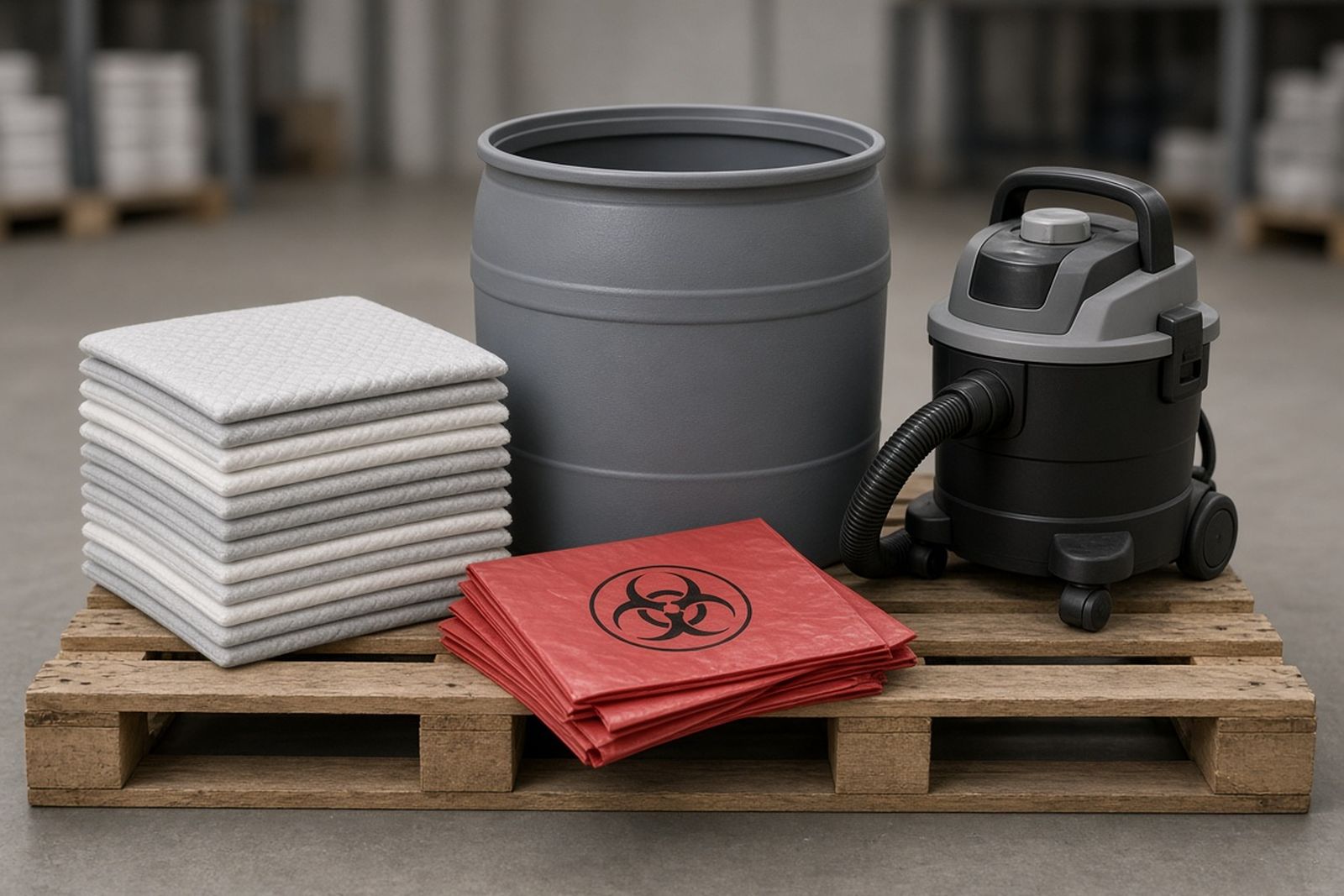
There is also pressure to move fast. Production wants the area back. The easiest thing to do is toss everything into the closest container. Taking a few minutes at the start to set up separate, labeled containers saves hours later. It saves sorting, re-sorting and extra disposal fees.
Nine waste streams to expect
Walk the scene with your environmental, health and safety (EHS) lead and the cleanup company. List the waste the job will make. Estimate amounts, since volume can affect your waste-maker status and disposal choices.
Give each stream a container, a label and a staging spot before the crew begins. Mixing streams later is easy to do and hard to undo.
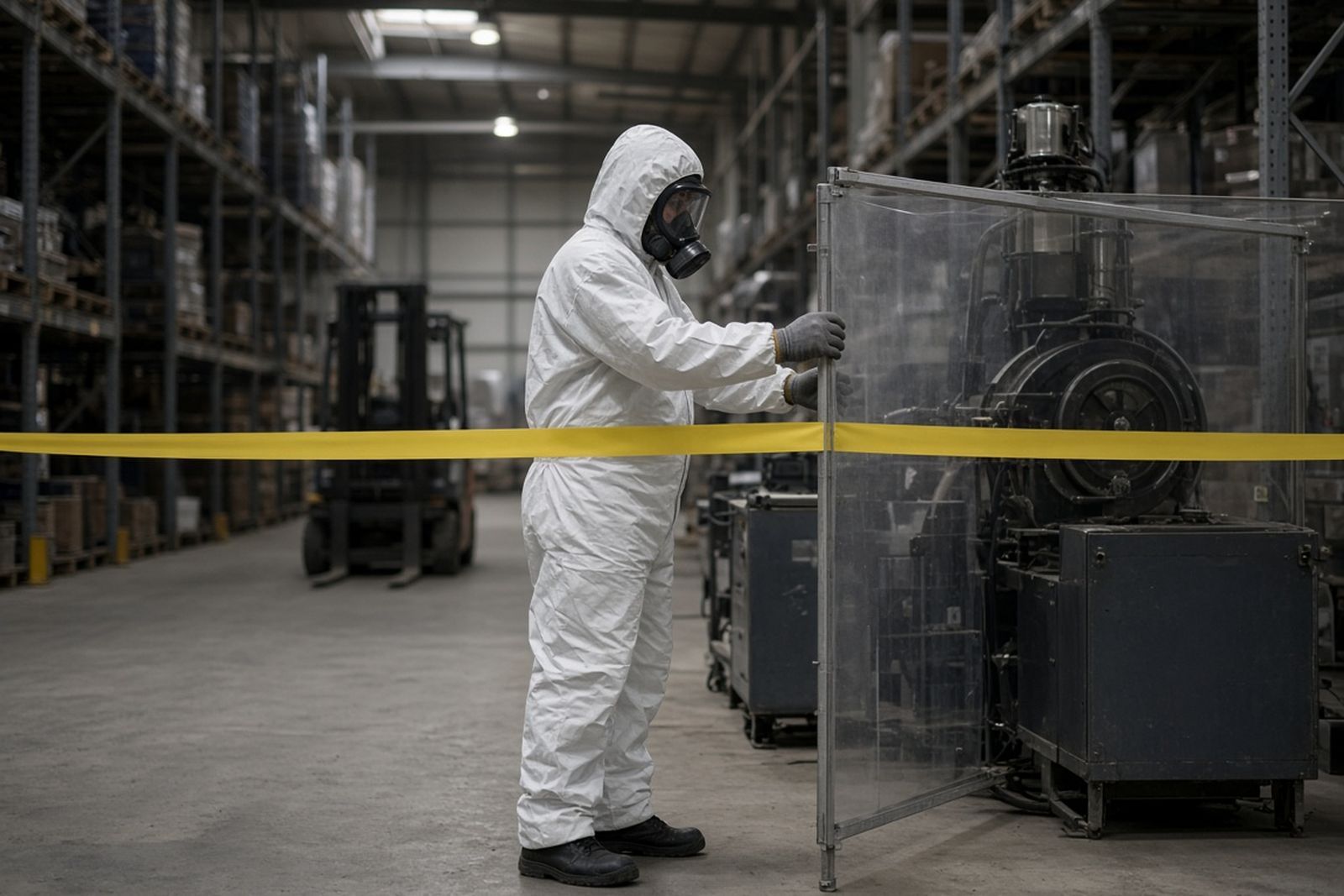
Remember that some of what looks like waste may be evidence. Damaged guards, failed hoses or broken tools can matter to OSHA, your insurer, an equipment maker or your own review of what caused the accident. Tag those items and set them aside, even if they are soiled. Keep them until the investigation team confirms they can be thrown out.
- Absorbents, wipes, protective gear and small debris with blood on them
- Absorbents and rags soaked with oil, hydraulic fluid or coolant
- Materials soaked with solvents or process chemicals
- Mixed materials where blood and chemicals cannot be separated
- Sharp debris such as metal pieces, broken glass or tools
- Damaged product, packaging or raw materials
- Damaged machine parts, guards or hoses
- Wash water and rinse water from floors, equipment and drains
- Empty containers from disinfectants, degreasers and neutralizers
RCRA and the generator's determination
Under the Resource Conservation and Recovery Act (RCRA), anyone who makes a solid waste must decide whether it is hazardous. That depends on two things. Is the waste named on a list? Or does it have a hazardous trait, such as catching fire easily, eating through materials, reacting violently or being toxic? The site, as the waste maker, must make that call, even when a contractor does the cleanup.
Your waste-maker category depends on how much hazardous waste the site makes in a month. It sets storage limits, how long you can hold waste and what paperwork you need. A one-time cleanup can push a site into a higher category for that month. So tell your environmental lead how much waste you expect.
Most states run the hazardous waste program with EPA's approval. They may have stricter or wider rules. Some states regulate wastes that the federal program does not.
Useful sources for the decision include safety data sheets for every chemical involved. Your existing waste profiles for routine process wastes help too, along with lab tests where needed. The spilled material may already have a set waste profile at your site. If so, the cleanup leftovers may be handled under that profile. But confirm that blood on the material does not change its category.
Oil-soaked absorbents and shop rags
Oil, hydraulic fluid and coolant are common at industrial accident scenes. Used oil has its own federal handling rules. Many states have specific rules for absorbents and rags soaked with oil. In some cases, materials with oil that can be recovered can be handled under used oil rules instead of as hazardous waste.
EPA also has a limited exception for certain wipes soaked with solvent that are sent for laundering or disposal under set conditions. Whether it applies depends on the solvent, how the wipes are handled and whether your state has adopted the rule.
Do not assume. Ask your environmental lead or state agency how your site's oil and solvent absorbents are classified. Ask whether blood on them changes the answer.
Blood-contaminated materials on an industrial site
EPA does not currently run a full federal medical waste program. States define and regulate medical waste. Their rules decide whether cleanup materials with blood on them from your plant are regulated medical waste, special waste or regular trash.
Many states treat items soaked or dripping with blood as regulated medical waste. These need specific containers, labels, storage limits and licensed haulers. Items with small amounts of dried blood may be treated as regular trash. OSHA's Bloodborne Pathogens standard also sets container and label rules for regulated waste while it is on site.
When blood and chemicals end up in the same material
When blood and hazardous chemicals are mixed in the same material, the waste may need to meet both programs. Ask your state agency and your hauler how to handle it before you make it. Some disposal sites will not accept mixed waste.
Work with your hauler early. Medical waste haulers and hazardous waste vendors are often different companies. Each has its own rules on what it accepts. Some will not pick up a container that holds both kinds of waste. Knowing that ahead of time lets you pack materials the way your vendors need them.
Where can washwater and rinse water go?
Industrial cleanup often uses more water than other kinds. This is most true on large floors, grating and equipment. Where that water goes depends on your site's permits.
If your water goes to a city sewer, you may have an industrial pretreatment permit or fall under local sewer use rules. Those rules can ban or limit blood, oils, chemicals, disinfectants, or water that is very acidic or very alkaline. Sites with direct discharge permits under the Clean Water Act have their own limits. Storm drains should never get cleanup water.
Contact your utility or environmental lead before washing down begins. You may need to collect the water, test it, treat it first or haul it away for disposal.
Floor trenches, sumps and pits need extra attention. Fluids that drained into them during the accident may still be sitting there days later. Include them in the cleanup scope. Treat what comes out of them as its own waste stream, not mixed with floor wash water.
DOT shipping rules and recordkeeping
Once waste leaves your property on a public road, DOT hazardous materials rules may apply. Hazardous waste loads usually need a waste shipping record. Regulated medical waste loads need specific packing and labels. Your licensed hauler will usually handle much of this. But the site often signs the paperwork and keeps copies.
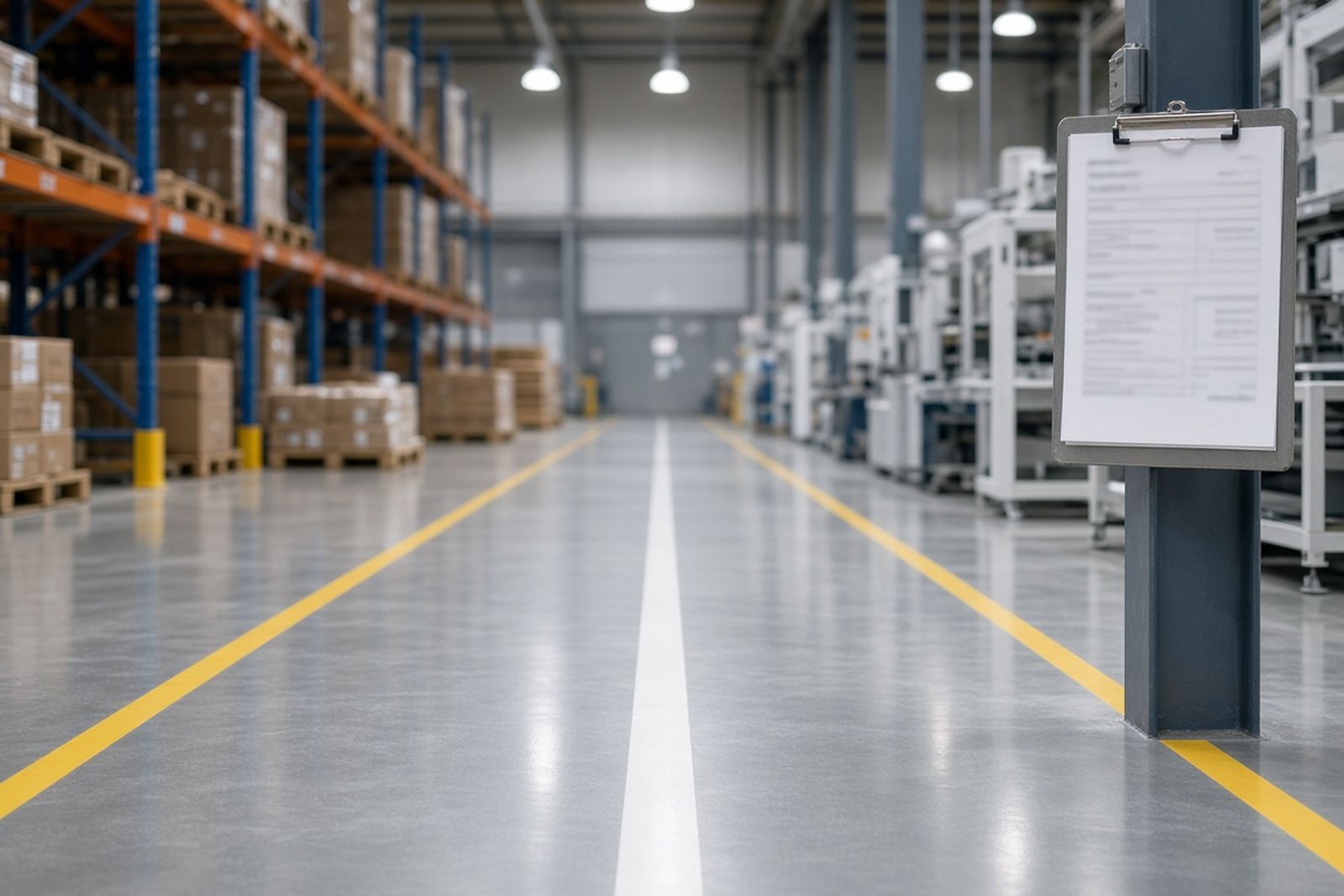
Keep a file for each accident. It should include your waste decisions, the reasons behind them, container labels, waste shipping records or shipping papers and disposal receipts. Those records show each stream was handled correctly. They also support your investigation, insurance and regulatory files.
Train supervisors to know when they are signing a shipping paper. A signature on a hazardous waste shipping record carries legal duty. It should be made by someone who has had the required training. It should not be whoever happens to be at the dock when the truck arrives.
Sorting waste at a machine shop: a sample scenario
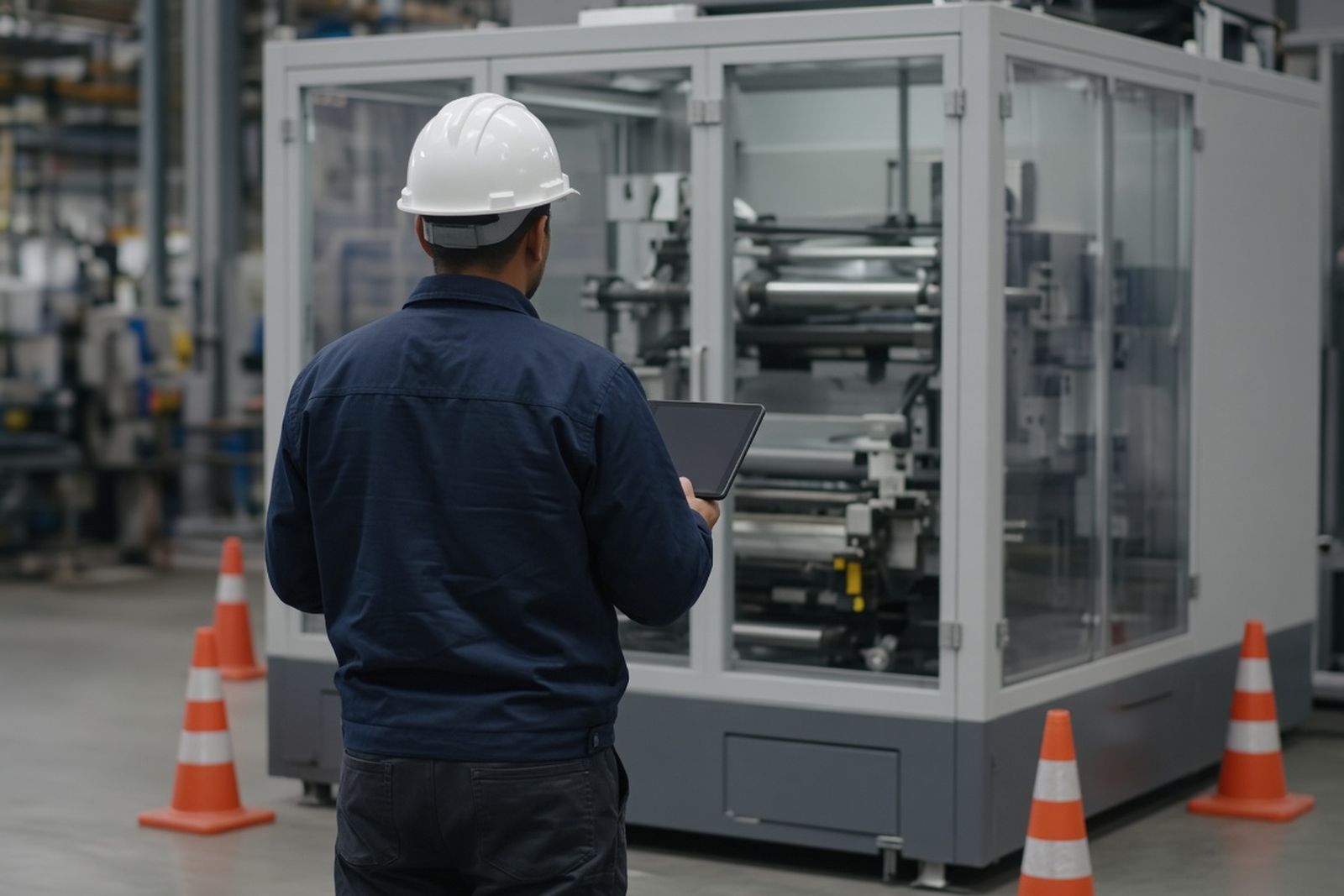
This sample case is made up. At a machine shop, an operator gets a deep cut while clearing a jam on a computer-controlled lathe. Blood reaches the machine housing, the chip conveyor, the floor around it and a nearby coolant sump. The operator is taken to the hospital. After the scene is released, the shop brings in a cleanup company.
The shop's safety lead and the cleanup company agree on waste streams before work begins. Wipes and gear with blood on them go into labeled biohazard containers. Coolant-soaked absorbents with no visible blood go into a separate container under the shop's usual used oil and coolant program. Metal chips from the conveyor that touched blood go into a hard container. The safety lead calls the state agency to ask how to handle them.
The coolant in the sump is tested. Based on the results, the shop's regular waste vendor pumps it out. Floor wash water is picked up with a wet vacuum, not washed into the trench drain, because the shop's sewer permit limits oils. The cleanup company provides disposal receipts for the medical waste. The safety lead files everything with the accident report.
Preparing before the next incident
Build waste handling into your emergency plan. Figure out the likely waste streams for your processes. Make sorting decisions ahead of time where you can. Stage labeled containers, and set up deals with licensed haulers for each stream.
Share the plan with your cleanup company. Ask it to confirm how it will keep waste apart and record it on your site. Review the plan each year and after any change in process or chemicals.
Rules vary by state and county; verify with the local authority. Your state environmental agency, wastewater utility, waste haulers and lawyer are the key sources for the rules that apply to your site.