Short answer
For industrial accident cleanup, these are the credentials that matter. Look for written training on bloodborne germs, breathing protection, chemical safety and shutting off machine power. Look for a written safety program, insurance that fits your site and any required state or local license. The company should also have experience working under a host site's safety rules. The papers the company hands over afterward become part of your accident file. These include waste records and a final report.
Why do contractor credentials matter more after a workplace injury?
When a serious injury happens on a plant floor, a construction site or in a warehouse, the cleanup company becomes part of the event. Its work happens inside your site, near your workers, often around the same equipment that caused the injury. Anything it does, or fails to do, can affect your investigation, your standing with regulators and how your workers go back to the area.
That is why credentials in this field go beyond biohazard training. A company needs to understand both blood and body fluid hazards and the industrial dangers around them. These include stored energy, process chemicals, tight enclosed spaces, powered equipment and work up high.
Your safety manager or environmental, health and safety (EHS) team likely already checks contractors for maintenance or building work. The same care applies here, with a few extras for blood and body fluids.
There is also a human side. Workers who saw a coworker get hurt will notice who shows up to clean the area and how they act. A crew that arrives ready, follows your site rules and treats the space with respect sends a message. It shows the company takes the accident seriously. A crew that wanders the floor without escorts or safety glasses sends the opposite message at the worst possible moment.
Seven training areas the crew should document
Ask for training records tied to the workers who will be on your site. A general statement that the company trains its people is not enough. The areas below matter most for industrial accident cleanup.
If your site requires orientation for all contractors, make sure the cleanup crew finishes it too, even if the job lasts only a day.
- Bloodborne germs, including what to do after an exposure and whether workers have had the hepatitis B shot
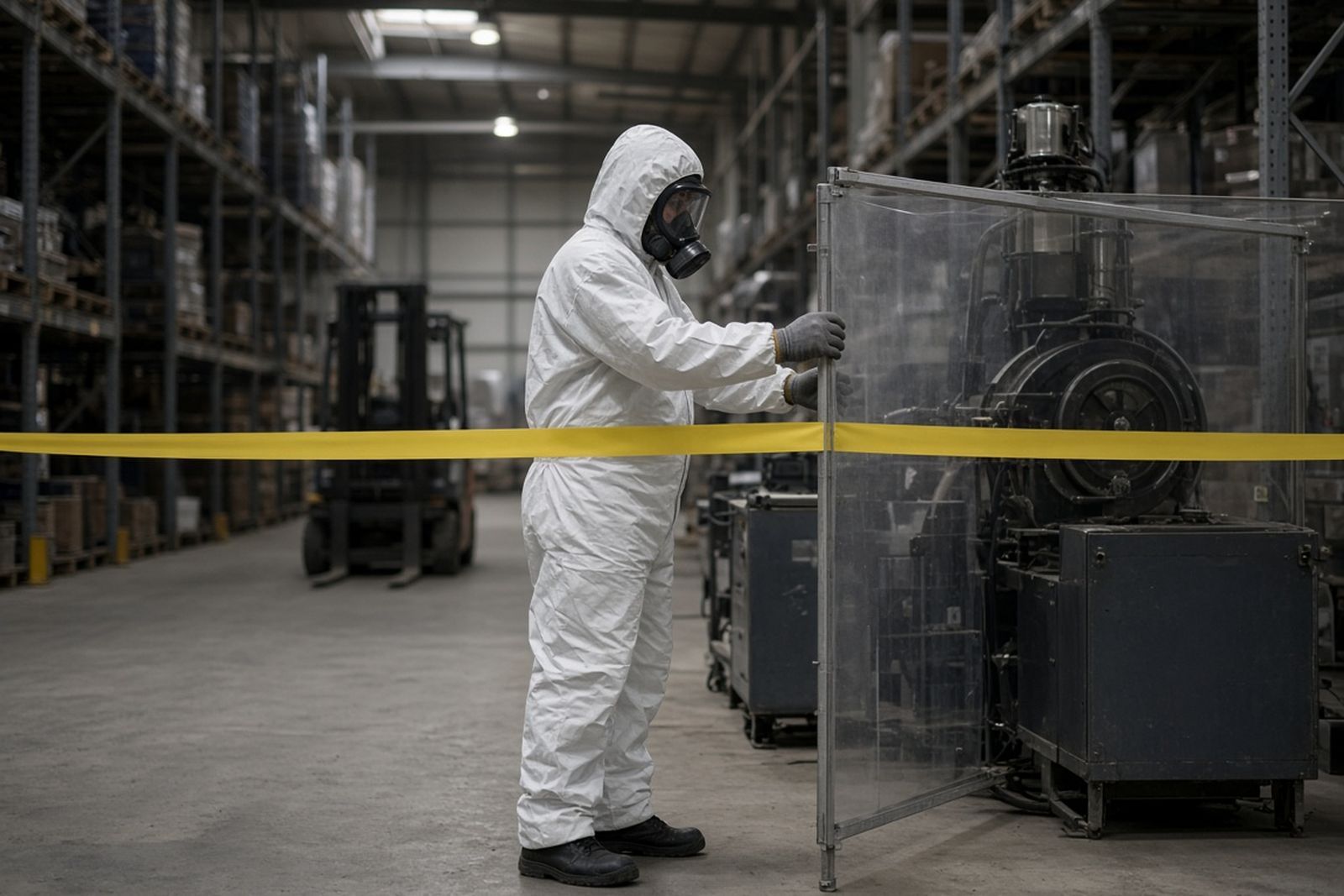
- Breathing protection with medical clearance and current fit testing
- Chemical safety for their own chemicals and awareness of yours
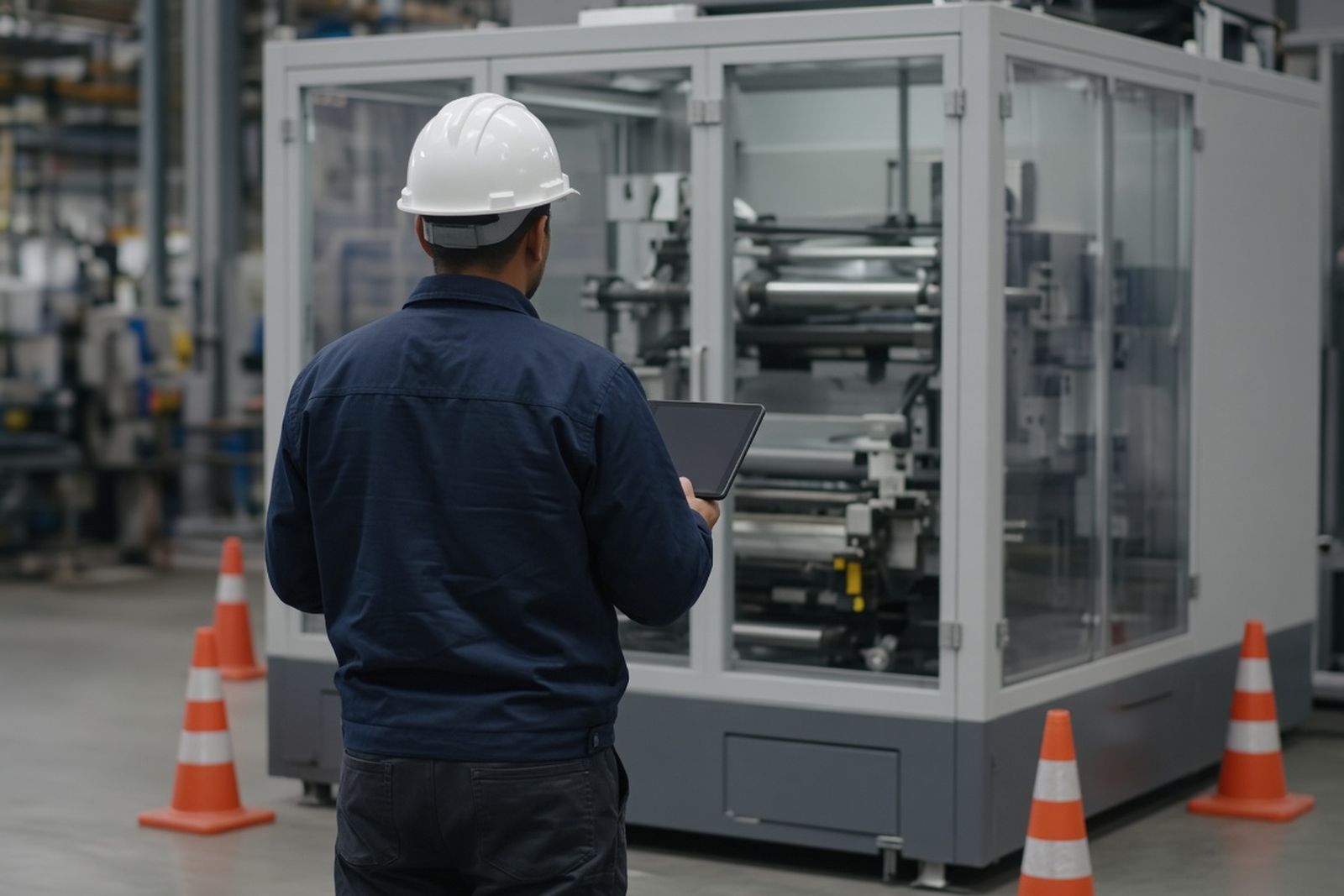
- Enough knowledge of lockout to work near equipment whose power has been shut off
- Awareness of tight enclosed spaces if pits, tanks or trenches are involved
- Fall protection or lift training if blood reached surfaces up high
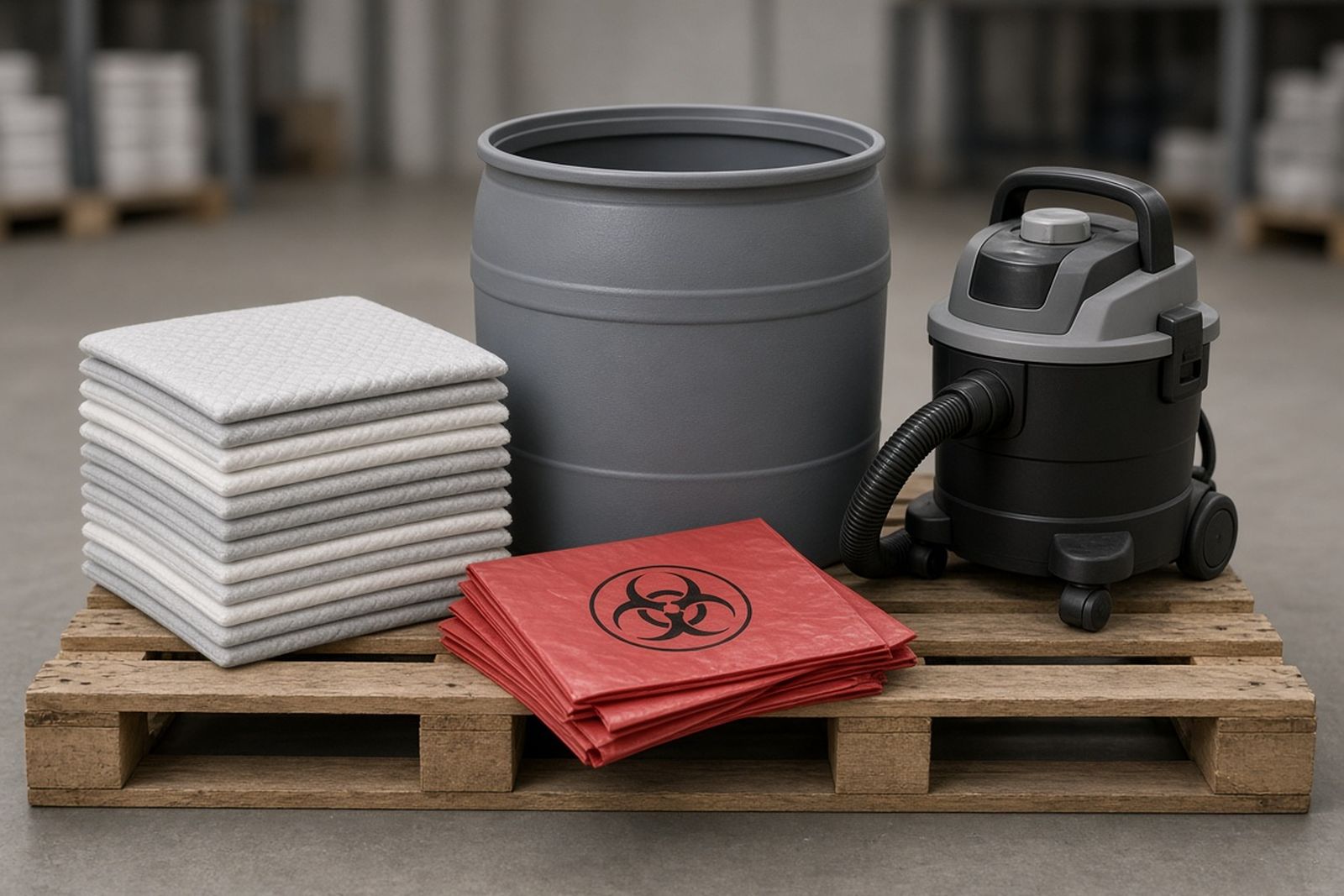
- Sorting and packing waste that carries germ or chemical hazards
The contractor's injury record and how it works within your rules
Cleanup work is physically hard and dangerous in its own right. According to BLS, waste management and remediation services had 3.1 recordable injuries per 100 full-time workers in 2023. A company in this field should have a safety program built to keep that risk down. This matters most when it works at a site that is already dealing with one injury.
Many host sites already ask contractors for injury and illness rates, insurance safety ratings and safety program papers when they check them out ahead of time. It is fair to use the same process for a biohazard cleanup company.
A company with a strong program will provide these papers without delay. One that has never been asked may still be capable. But you will want more detail about how it supervises its crews.
Ask, too, how the company looks into its own close calls and injuries. Look for a company that reviews what went wrong, shares lessons with crews and changes its steps as a result. It is more likely to work safely on your floor than one that treats injuries as bad luck. After all, you are asking it to work in a place where something has just gone badly wrong.
On an industrial site, the host site and the cleanup company usually share the duty for safety. Your site knows the equipment, the processes and the chemicals present. The company knows how to handle blood and body fluids. Both sides need to talk before work begins.
Ask the company how it usually works with a host site. A good answer includes a briefing with your safety lead before the job. It includes a review of your lockout steps and permits. It covers any process dangers near the work area. It also includes agreement on emergency steps and how to stay in touch while the crew is on site.
Make clear who can stop the work. On a well-run industrial job, anyone who sees an unsafe condition can halt the work. The company's crew should know how to raise a concern with your staff. The crew may notice that a guard has been removed, a line has been restarted nearby or an unknown chemical is leaking into the work area. If so, they need a clear way to pause and get an answer.
A company may seem unused to working under another employer's permits and rules. That is a sign it may be more used to home jobs than industrial ones.
Certificates, licenses, and insurance
Industry certificates in biohazard cleanup, trauma cleanup or hazmat handling can show that someone at the company finished structured coursework. Some also require ongoing classes or following a code of practice.
Certificates have limits. Ask whose name is on each one and whether it is current. Ask whether it covers the type of contamination at your site. A certificate focused on trauma cleanup in homes does not always prepare a crew to work around hydraulic presses or chemical process lines.
License rules vary. Some states or counties require registration or a license for biohazard cleanup or for hauling regulated waste. Handling hazardous waste may carry its own rules. Check with your state environmental agency and your environmental lead before you hire a company.
Industrial jobs often call for broader insurance than home jobs. Common requests when checking contractors include general liability for businesses and workers' comp. They also include business auto coverage for the trucks hauling waste and pollution liability for contractors.
Your company may also require certain limits, being added as an insured party and a waiver that keeps the insurer from suing you to recover costs. Your risk or purchasing team likely has standard wording for contractor insurance. It should apply here as well.
Ask for a certificate of insurance before the crew arrives. Confirm that it covers the work being done. A company that cannot produce one quickly may not be set up for industrial clients.
The completion package
After a serious accident, several parties may review your file. These might include your insurer, company leaders, your lawyer and a regulatory inspector. The company's records become part of that file.
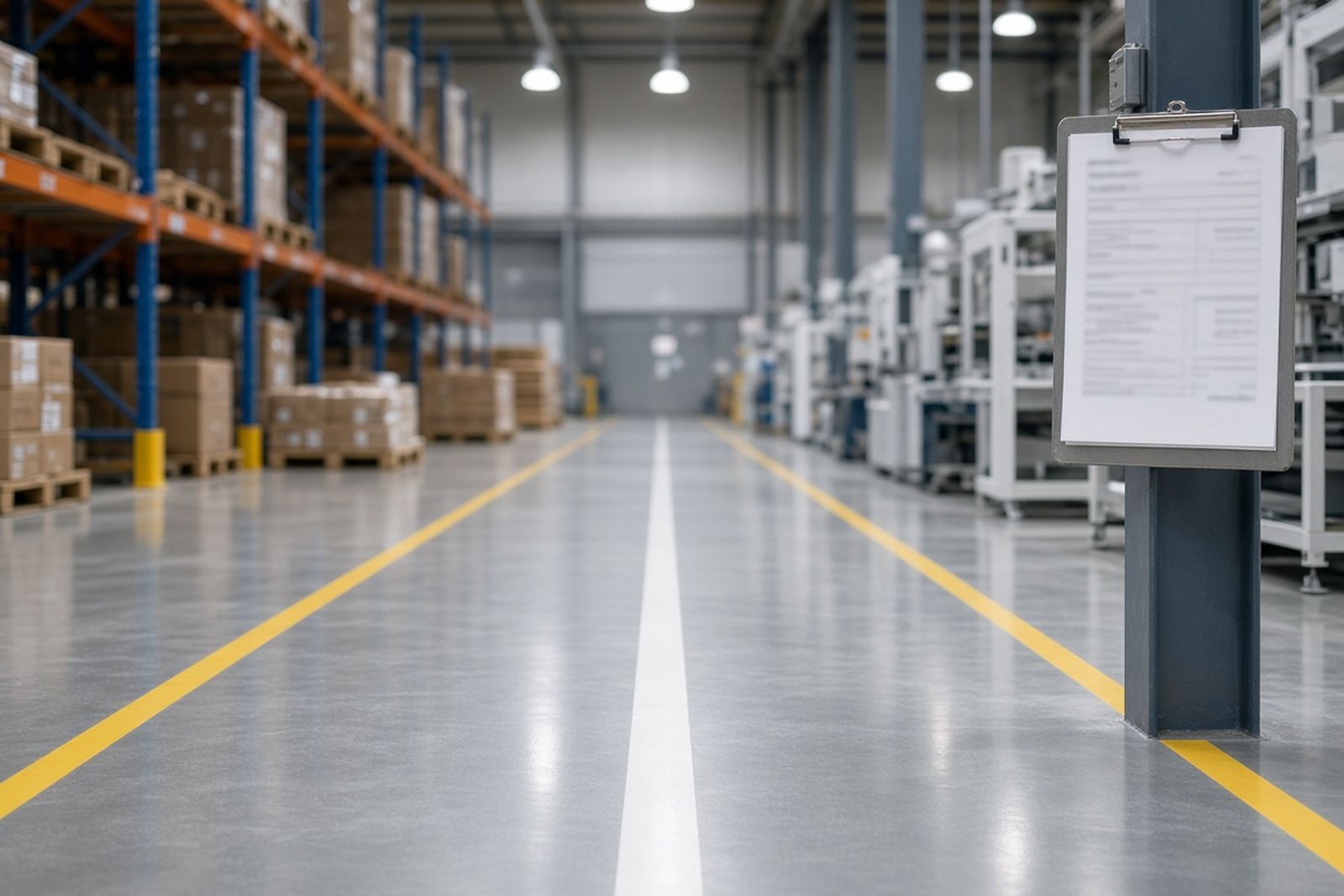
A thorough final packet usually has photos from before, during and after the work. It describes how the area was sealed off and where the work zone ended. It lists the items removed and surfaces cleaned. It gives product names, EPA registration numbers for disinfectants and safety data sheets. It includes waste records, such as any waste shipping records and the site that received the waste. And it states who attended the final walk-through.
Make sure the records describe conditions as found, not just what was cleaned. Note where the blood was, whether any equipment was damaged and which items were left for the investigation team. These notes can help your reviewers piece together what happened. The company should describe what it saw without guessing at the cause. That is your investigation's job, not the company's.
Ask the company to provide these records in a format your EHS team can file easily. Loose photos in a text message are not a record.
Prequalify before an incident happens
Checking a company ahead of time pays off most when an accident is messy. Say a pallet falls from a rack in a warehouse. It soils the aisle and a forklift that must be cleaned before it goes back into service.
Suppose the company was checked months earlier as part of the site's emergency plan. Its training records, insurance certificate and safety program are already on file. When the call comes, the crew can join a briefing before the job. It can confirm that the forklift is locked out and the rack is inspected before anyone works under it. Then it can begin as soon as the area is released.
At the end of the job, the final report, waste papers and photos go into the accident file the same day. Because the checking happened before the emergency, no one has to pick a company under pressure. And the record has no gaps.
The best time to review an industrial cleanup company is before you need one. Build the company into your emergency plan. Collect its training records and insurance papers. Review how it would work within your programs for lockout, tight enclosed spaces and welding or other hot work.
Think about inviting the company to walk your site. Then it will understand the layout, the equipment and the likely kinds of waste. Decide who inside your company can call it in and who will release the area after an investigation.
Look at the setup again at least whenever your emergency plan is reviewed. Companies change staff, certificates run out and insurance renews. A short yearly check keeps the relationship current. Then, when the worst happens, you can focus on your people instead of paperwork.