Short answer
After a workplace injury, cleaning removes blood, tissue, and the oils, coolant, grease, and metal fines mixed with it; disinfection then uses a registered product to inactivate pathogens on the cleaned surface. On industrial equipment, degreasing is often the critical first step, because oily films block disinfectants. Product choice must also account for machine materials and process chemicals already on site.
Why is the difference especially important on an industrial site?
In a home or office, cleaning and disinfection usually involve body fluids on relatively simple surfaces. On a plant floor, construction site, or warehouse, the picture is more complicated. Blood and tissue often mix with hydraulic fluid, cutting oil, coolant, grease, metal fines, dust, and product residue.
Those industrial materials change how contamination behaves. Oily films trap biological material and repel water-based disinfectants. Metal fines and grit hide in textured surfaces and grating. Process residues may react with cleaning chemicals.
Understanding the difference between cleaning and disinfection helps plant managers and EHS teams evaluate a contractor's plan and make sure the area is truly ready to return to service.
Plants with formal sanitation programs
Food, beverage, and pharmaceutical plants add another layer. Those facilities often already run formal sanitation programs with approved chemicals, validated procedures, and product-contact rules. An injury cleanup in those settings has to fit within that program, so that nothing used on the line conflicts with food safety or quality requirements, and so the line can pass its normal pre-operation checks before restarting.
Cleaning: physical removal comes first
Cleaning is the physical removal of contamination. On an industrial site, it typically starts with removing gross biological material and absorbing free fluids, then moves to degreasing and detergent cleaning of affected surfaces.
Degreasing is often the step that makes or breaks the job. A disinfectant applied to an oily press bed or a greasy conveyor frame may bead up and run off, never contacting the organisms trapped in the film. Removing that film with an appropriate degreaser, followed by detergent cleaning and rinsing, gives the disinfectant a surface it can actually work on.
Cleaning also includes places that are easy to overlook: the underside of machine guards, drip pans, floor grating, trench drains, pits, cable trays, and the treads of stairs and platforms near the incident. Fluid follows gravity, and cleanup has to follow it too.
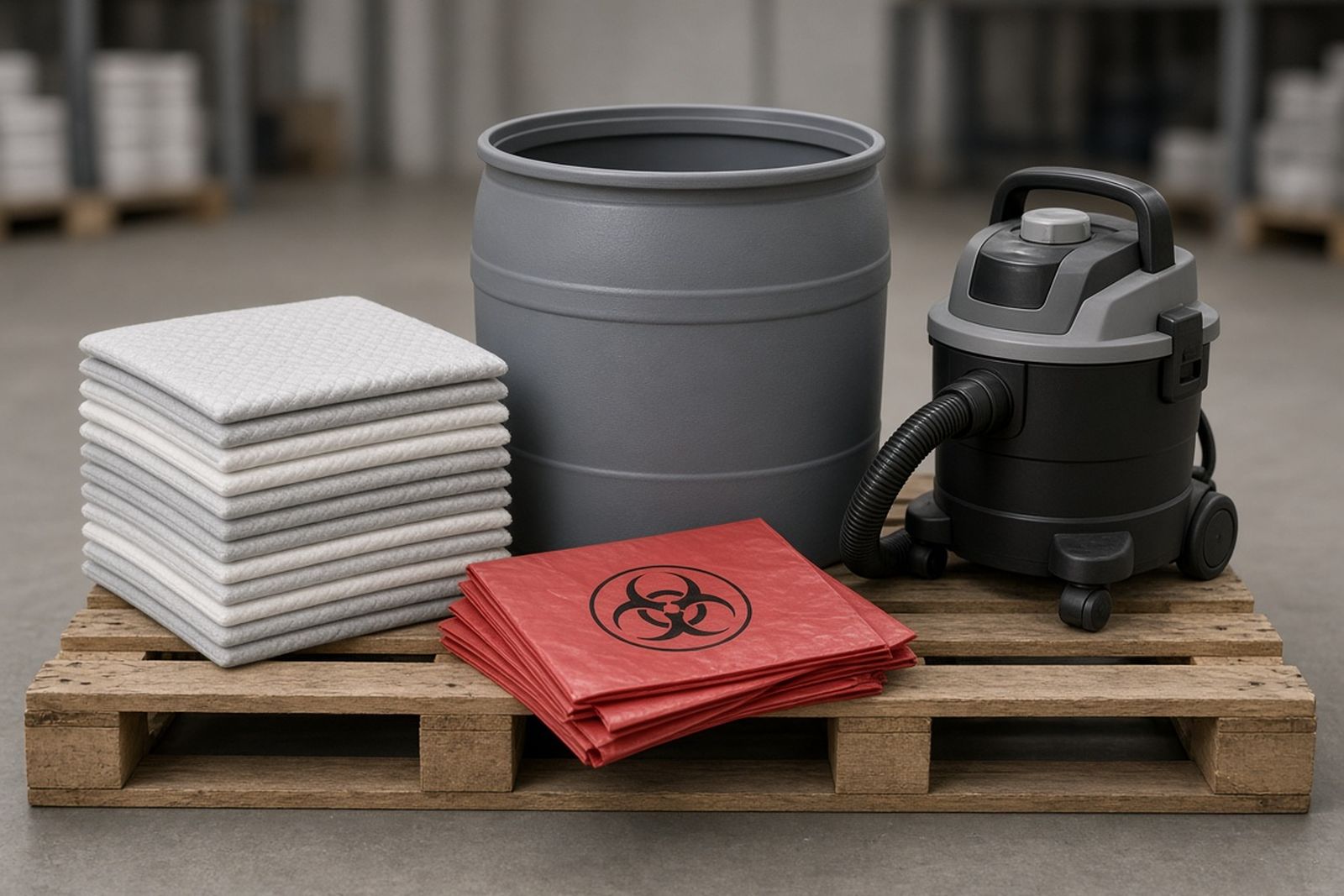
Absorbents deserve thought as well. Granular absorbents and pads used on oily floors become contaminated with both biological material and industrial fluids. They should be collected carefully rather than swept into corners or drains, and they belong in the waste stream the contractor has planned for mixed contamination.
Disinfection: the finishing step
Disinfection uses a registered antimicrobial product to inactivate bloodborne and other pathogens that remain after cleaning. The product label specifies which organisms it covers, how to dilute it, which surfaces it can be used on, and how long surfaces must stay wet.
For injury scenes involving blood, contractors typically choose a product with claims against bloodborne viruses and common bacteria. They apply it to cleaned surfaces and keep those surfaces wet for the full labeled contact time.
It helps to think of disinfection as the finishing step, not the main event. By the time a disinfectant is applied, the surface should already look and feel clean: no oily sheen, no grit, no visible staining. If a technician is applying disinfectant to a surface that still looks dirty, the cleaning step was not finished.
On industrial equipment, contact time can be harder to meet. Vertical surfaces, heated machine components, and ventilated areas dry quickly. A careful contractor plans for reapplication and checks that each surface group stays wet long enough.
Machine materials, process chemicals, and product choice
Industrial equipment includes painted steel, stainless steel, aluminum, rubber seals, plastic guards, electrical enclosures, and control panels. Some cleaning and disinfecting products are compatible with all of these; others can corrode metals, cloud plastics, or degrade seals.
Research on plastics shows why this matters. In a 2024 study of chemical resistance testing of plastics, Jennings and colleagues found that products above pH 8 accounted for 74% of failures in the experiment. Many degreasers and some disinfectants are alkaline, so their compatibility with guards, housings, and control surfaces deserves attention.
Chemical compatibility with process materials is equally important. A cleaning product that reacts with an acid, oxidizer, or solvent already present in the area can create a new hazard. Contractors should review safety data sheets for their products and for chemicals used nearby, and coordinate with your EHS team before starting.
Can equipment be disinfected in place, or does it need disassembly?
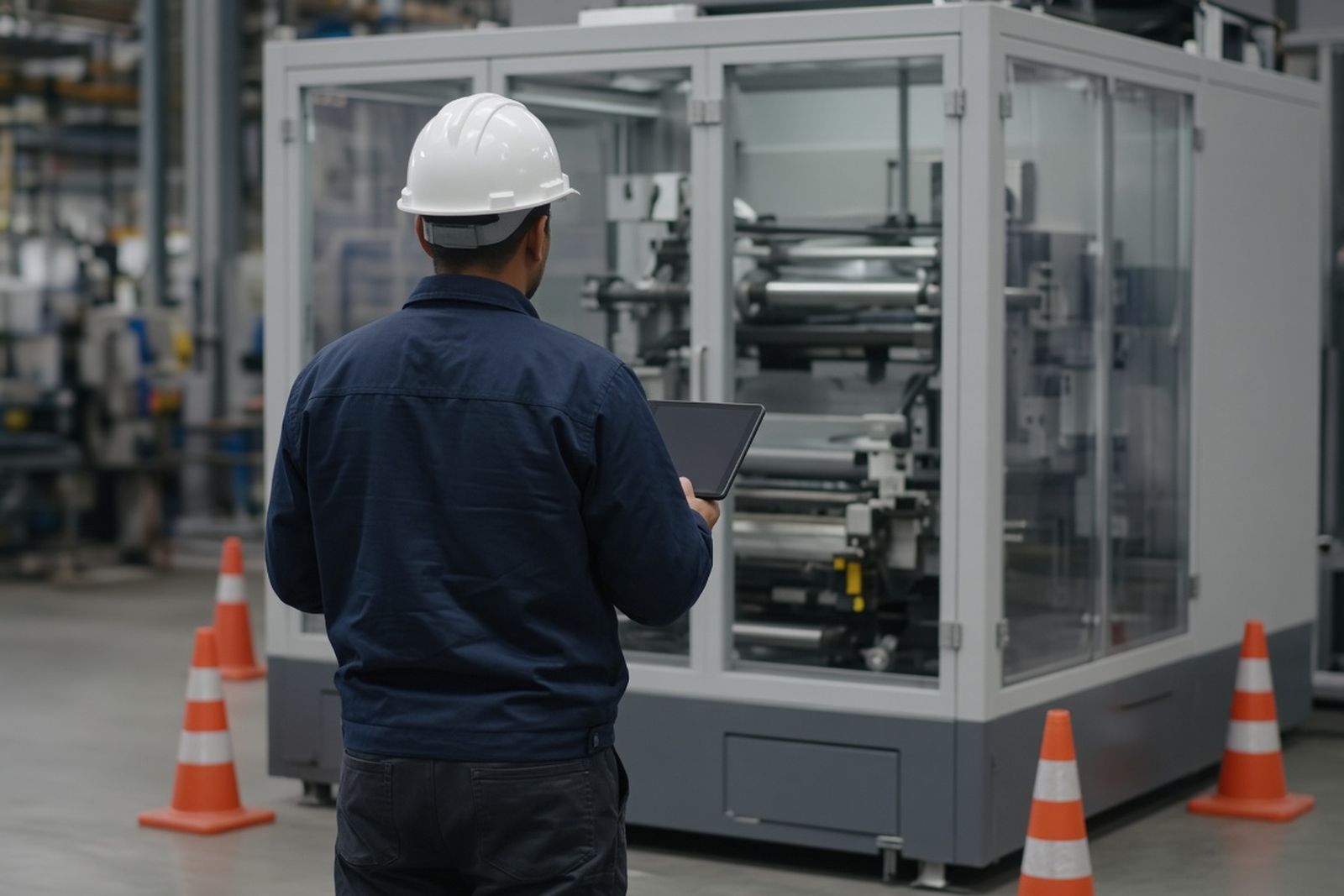
Some equipment can be cleaned and disinfected in place once it is locked out and verified at zero energy. Other components, such as belts, rollers, filters, porous gaskets, and tools with crevices, may need to be removed, cleaned separately, or replaced.
Electrical and electronic components require particular care. Liquid products can damage control panels, sensors, and motors. Contractors may need to use wipe-on methods rather than sprays, or coordinate with maintenance staff and manufacturers on the right approach.
Porous materials such as wooden pallets, cardboard, fabric, and some insulation usually cannot be reliably disinfected and are removed as waste. A qualified contractor will explain which items fall into each category and why.
Why spray-only disinfection fails on industrial surfaces
Spraying or fogging disinfectant without prior cleaning is a common shortcut, and on industrial surfaces it is especially likely to fail. Oil films, grit, and dried fluids shield organisms from the product.
Industrial surfaces make that shortcut even riskier than in an office. Grating, diamond plate, knurled handles, and machined parts have far more surface texture than a desk or counter, and fluid settles into every groove. Spray can coat the tops of those features while leaving contamination in the recesses untouched.
Research outside industry supports the value of hands-on work. Knobling and colleagues reported in 2023 that manual wiping met the study's disinfection-success criterion on 98.1% of surfaces versus 75.5% for UV-C when no cleaning came first. The study was conducted in a healthcare setting, but the lesson applies: physical contact with the surface matters.
Spray application can still help treat large or complex areas after cleaning, provided the product's label allows it. It should supplement, not replace, degreasing and detergent cleaning.
Conveyor injury, cleaned properly: an illustrative sequence
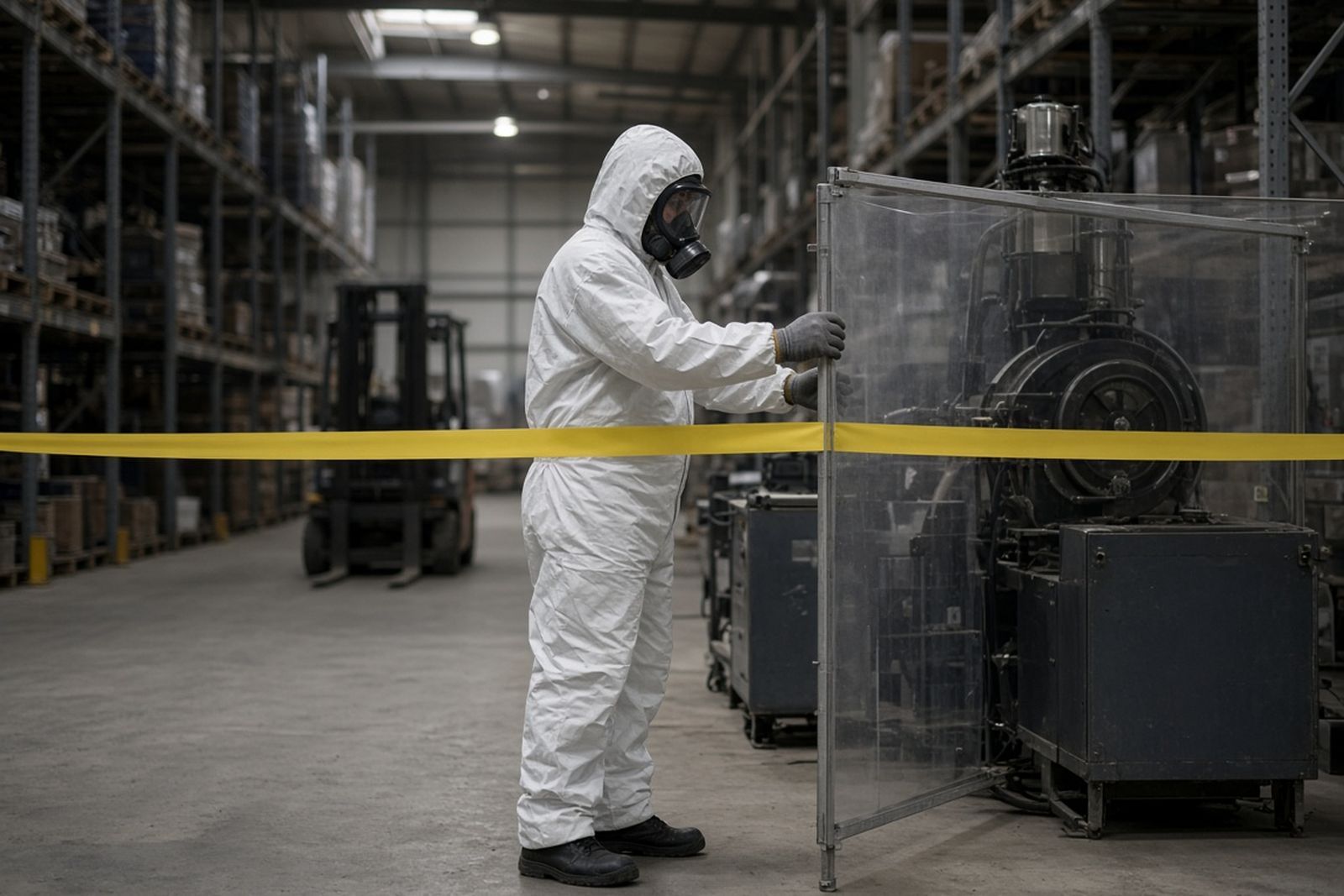
Here is an illustrative sequence rather than a real job. At a packaging plant, a worker is injured when a hand is caught in a conveyor nip point. Blood contaminates the conveyor belt, the frame, the floor beneath, and a nearby control station. The conveyor frame is coated with lubricant.
After the area is released by investigators and the conveyor is locked out, the contractor removes gross contamination and absorbs free fluid. Because the belt is fabric-reinforced and saturated, the contractor recommends replacing it rather than trying to disinfect it. The frame is degreased with a product the maintenance team confirms is compatible with the paint and seals, then cleaned with detergent and rinsed.
The contractor applies a registered disinfectant to the frame, floor, and guard surfaces and keeps them wet for the labeled contact time. The control station is wiped with a product safe for its plastic buttons and display. Floor grating is lifted and cleaned underneath. Waste is segregated, and the contractor provides a completion report listing products, surfaces, and disposal.
Because cleaning came before disinfection and equipment materials were considered, the line can restart with confidence that the area is genuinely safe.
Nine elements of a cleaning and disinfection plan
Before work begins, ask the contractor for a written plan that separates the cleaning and disinfection steps and addresses industrial conditions.
A strong plan typically covers the items below.
- Confirmation of scene release and lockout verification before work begins
- Removal of gross contamination and free fluids
- Degreasing of oily surfaces with a product compatible with equipment materials
- Detergent cleaning and rinsing of all affected surfaces, including grating, drains, and pits
- Identification of porous items and components to remove or replace
- Application of a registered disinfectant with labeled contact time met on each surface
- Review of safety data sheets for compatibility with process chemicals
- Waste segregation and documentation
- Final walkthrough with your safety lead
How do you verify that both steps were done?
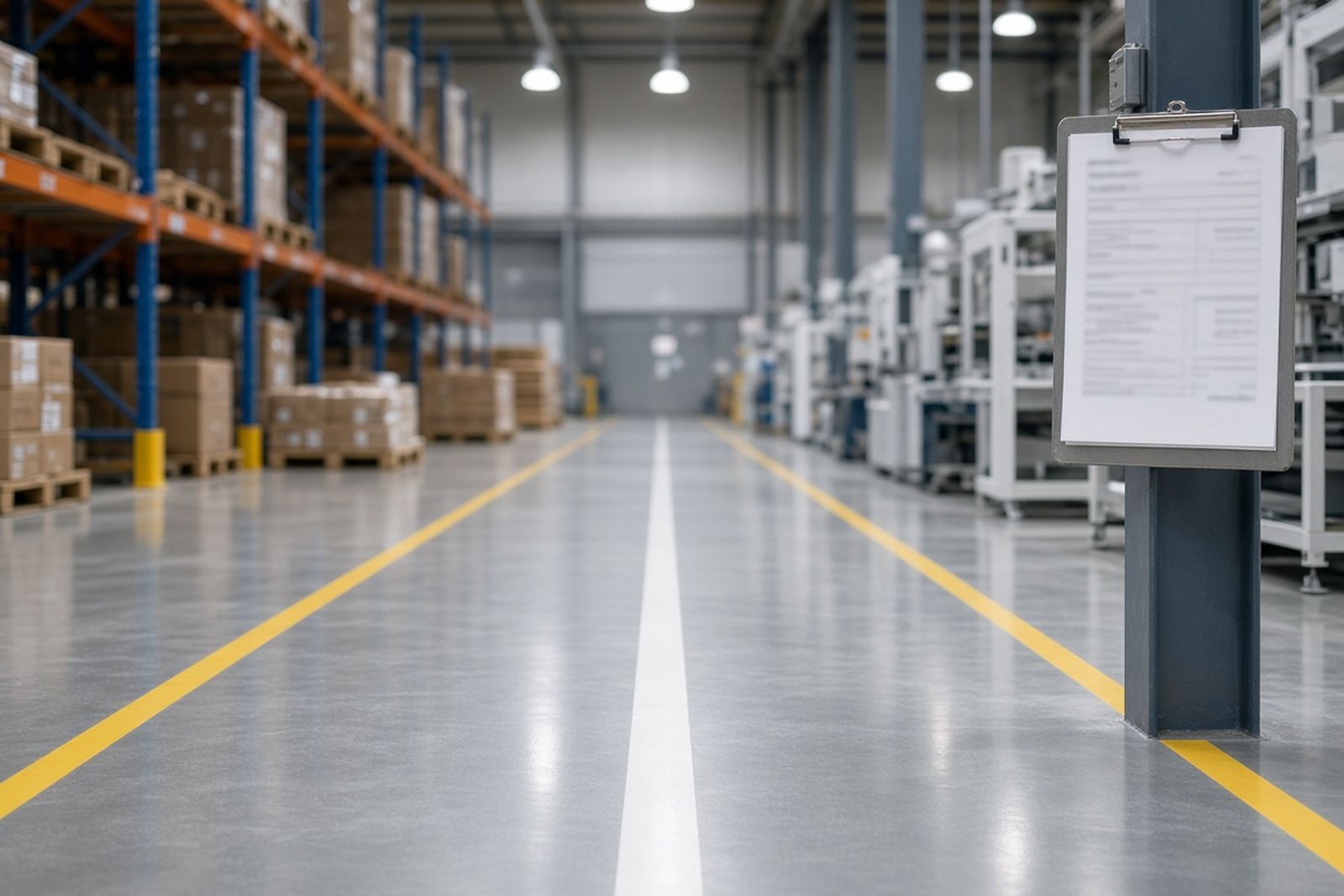
Verification starts with the completion report. It should list the degreasers and detergents used, the disinfectant name and registration number, contact times, surfaces treated, items removed, and waste handling. Photographs before and after help confirm that hidden areas such as grating and pits were addressed.
A final walkthrough with your safety lead or EHS team is an important check. Look for residue, oily films, or visible staining, especially under guards and grating. Ask the contractor to show you areas that were difficult to reach and explain how they were handled.
Some facilities also use surface testing, such as ATP monitoring, as an indicator of cleaning thoroughness. It is not a direct test for pathogens but can highlight missed areas. Requirements for documentation and return-to-service can vary, so check them against your corporate EHS policies before restarting the area.