Free industrial accident cleanup tool
Industrial Accident Cleanup Cost Range Estimator
Set the affected area, surface types, severity and extras to see an educational cost range and the factors that move it.
Cleanup after a serious industrial injury is priced very differently from a home biohazard job. Managers who have never bought this service are often surprised in both directions. The area itself may be small. But the surfaces are complex. There may be textured floor coatings, machine housings with seams and bolts, control panels, conveyor belts, and drains. All of them need attention. Process chemicals in the same area change which products can be used and how waste is packed. Lockout teamwork, spaces that need permits, and after-hours work to protect production all add time. This estimator lets you describe those factors. It then gives you a cost range for learning purposes and explains what drives it. That way you can go into contractor talks with realistic expectations.
The result is not a quote, and you should not treat it like one. Local labor costs, hauler availability, and the chemicals in your plant all change the real number. What the estimator does well is show what drives the cost. That helps you see whether a bid leaves out something important. Examples include the waste shipping record, lab tests to confirm the work, or restart paperwork. It also creates a list of items to ask for in writing, so you can compare bids on the same basis. Run it before quotes arrive, and again after. Use the differences to ask better questions, not to argue about price. Share the list of cost drivers with your finance and EHS leads, so everyone is reading the same job plan.
How to use it
- 1Estimate the size of the affected area. Include walking paths, drains, and any equipment surfaces the fluid reached.
- 2Choose the mix of surfaces that best describes the zone. Options range from sealed concrete and metal to soft absorbents, wood, or fabric.
- 3Set how severe it is, based on the amount of fluid, whether chemicals are involved, and whether the inside of equipment was affected.
- 4Add extras, such as after-hours work, several areas, odor control, or removing materials that cannot be cleaned. Then review the cost drivers and the quote checklist.
Prefer to ask a person?
Your request is sent to the follow-up inbox. A coordinator can reply by email. Not for emergencies; call 911 first if anyone is in danger.
Estimate a cost range
Industrial Accident Cleanup cost range estimator
Educational only. Real pricing needs an on-site assessment and a written scope. Insurance coverage is decided by your carrier, not by this tool.
Educational range: $3,000 – $5,000
Scaled from a published reference range (typical biohazard cleanup project, national) reported by Fixr (2025). Your region, provider and the actual findings on site can move the real number outside this range.
Cost level: Mid range.
None of the big cost multipliers are selected. Minimum service charges, travel and waste fees still apply.
Ask every quote to itemize labor, containment, product, waste disposal, verification sampling, and any rebuild, and to state what is excluded.
A worked example
Here is a made-up example. A packaging line worker badly injures a hand in a box-sealing machine during a night shift. Blood reaches the machine's lower housing and the floor around it. It also reaches a short stretch of conveyor that kept running for a moment before someone hit the emergency stop. The floor is sealed concrete. The conveyor belt is a synthetic material that can be cleaned. A small amount of machine lubricant has mixed with the spill. In the estimator, the manager enters a modest area. She picks a mixed surface type, because the belt and the housing seams hold soil differently than the floor. She picks medium-to-high severity because equipment and lubricant are involved. She adds after-hours work, because the plant wants the job done before the day shift. She adds structural removal, because the contractor may need to pull a belt section that cannot be confirmed clean. The tool gives a range. It points out that taking equipment apart, choosing safe products for the chemicals, and testing and sorting waste are the main cost drivers. It also lists what to ask for in writing. That includes a plan that names each surface, product names and contact times, a waste plan, and a way of checking the work agreed with EHS. The manager uses that list to compare two bids instead of choosing on price alone.
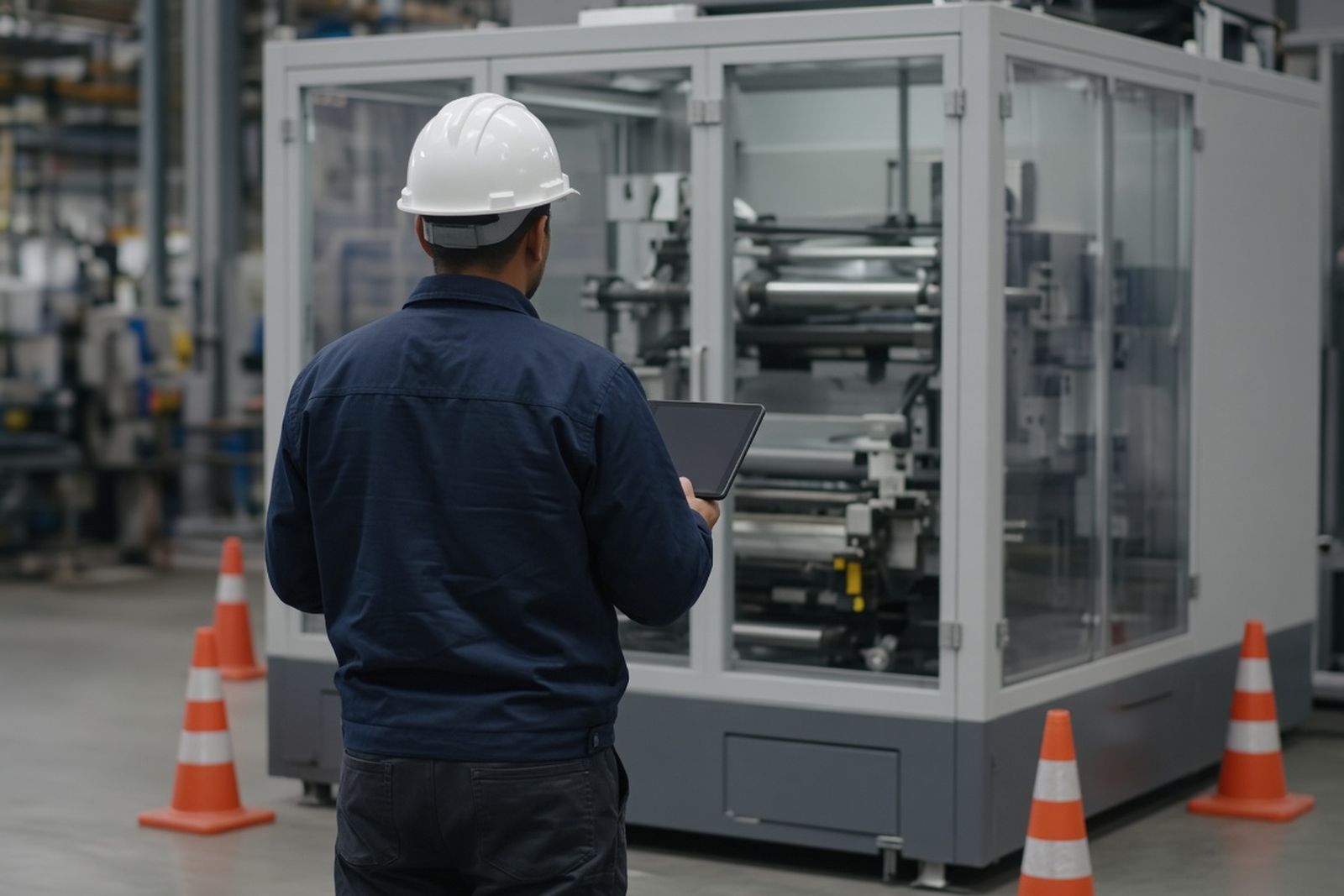
Numbers behind cost estimator decisions
- 2,443
OSHA cited Lockout/Tagout (1910.147) 2,443 times in fiscal 2024, ranking fifth among most-cited standards.
Read with care: Preliminary count; ranking shifts slightly year to year.
Source: OSHA (via Safety+Health) (2024)United States federal OSHA citations, FY2024
- $4,000
Hazmat cleanup projects cost a national average of about $4,000, with a typical range of $3,000 to $5,000 and extremes of $1,500 to $25,000.
Read with care: Cost-guide estimate, not a survey of industrial contracts; large facility incidents can exceed the range.
Source: Fixr (2025)United States, consumer cost guide updated January 2025
- 34,625
Federal OSHA conducted 34,625 inspections in fiscal 2024, split between 17,455 unprogrammed and 17,170 programmed inspections.
Read with care: Excludes inspections by the 22 state plans covering private employers.
Source: OSHA (2024)United States federal OSHA, FY2024
- 8 hours annually
Workers covered by HAZWOPER must receive eight hours of refresher training every year.
Read with care: Refresher may be shorter if combined with documented equivalent training.
Source: OSHA (2024)United States, 1910.120(e)(8)
These figures are public research and agency data, not this network's own job records. Keep each number with its population, year and limits; none of them predicts cost, timing or outcome at a specific property.
Cost Range Estimator questions for industrial accident cleanup
Why does chemical involvement raise the estimate so much?
When process chemicals mix with blood or body matter, the contractor has to review safety data sheets. It has to choose products that are safe to use with those chemicals. It often has to pack the waste as hazardous waste instead of medical waste. Each step adds time, special handling, and paperwork. The tool reflects this by treating chemical involvement as part of severity, not a simple extra.
Should I include equipment the fluid never touched?
Include any surface that fluid, absorbent, or tracked residue reached. Do not include equipment that stayed clean. If you are not sure whether the inside of a machine was affected, note it as a question for the contractor instead of guessing. The estimator is more useful when you describe the area honestly. Contractors will judge the real extent when they arrive anyway.
Does the range include waste disposal and verification?
The range assumes those items are part of a complete job. A quote without them cannot be fairly compared to one that includes them. When you ask for written quotes, ask each bidder to say whether hauling, the waste shipping record, and any swab or lab tests are included or billed separately. That way you are not surprised later.
How should I account for production downtime?
The estimator covers cleanup cost only. Downtime, overtime for other shifts, and lost product are separate business costs. Your operations and finance teams should work those out. Still, the extras you choose here, such as after-hours work, often exist just to reduce downtime. So the two conversations belong together when you decide on scheduling.
What if the contractor's quote is far outside the range?
A big gap either way is a reason to ask questions. It is not a reason to accept or reject the bid outright. A low quote may leave out waste, final checks, or paperwork. A high one may reflect a space that needs a permit, taking equipment apart, or chemical handling that the tool cannot see. Ask the contractor to walk you through their thinking line by line.
Can I run the estimator while the scene is still under an investigation hold?
Yes, and it is a good use of the waiting time. Describe what you can see from the edge of the area. Add what you know about the equipment and any chemicals involved. Mark answers you are unsure of as your best guess. The result will be rougher. But it helps you brief leaders and prepare questions for contractors. Run it again after the walkthrough, when the extent of contamination and equipment involvement is clearer.
How do I describe a scene I have only seen in photographs?
Answer based on what the photos show. Also note what they cannot show, such as the inside of machine housings, the underside of mats, or whether fluid reached a drain. Where the photos are unclear, choose the wider option, so the range does not understate the job. Ask the supervisor who was there to review your answers. They may remember details the camera missed.
Related community polls
Every count is a real visitor vote; nothing is seeded or padded. One vote per poll per device, and you can change your answer.
After a serious injury on the floor, what was your hardest early decision?
How did your facility handle cleanup after a serious blood incident?
Other industrial accident cleanup tools
Provider Vetting Checklist
Fifteen questions to ask any remediation provider, a readiness score, and a copyable list of what is still unanswered.
OpenInsurance Claim Organizer
A guided checklist from finding the policy to tracking the carrier decision, with a printable summary of where the claim stands.
OpenFirst 24 Hours Planner
Tell the planner a few facts about the situation and get an ordered list of who to call, what not to touch, and what to photograph.
OpenWaste & Disposal Classifier
Five questions about the material point to the likely waste category and which authority to confirm the rules with.
OpenDIY or Call a Pro? Risk Check
Eight yes-or-no questions that produce a risk level and explain when professional help is the safer choice.
OpenMore on industrial accident cleanup
Industrial Accident Cleanup services
See how workplace injury cleanup, chemical spill response, equipment cleaning, and confined space work are planned and ordered for plants and job sites.
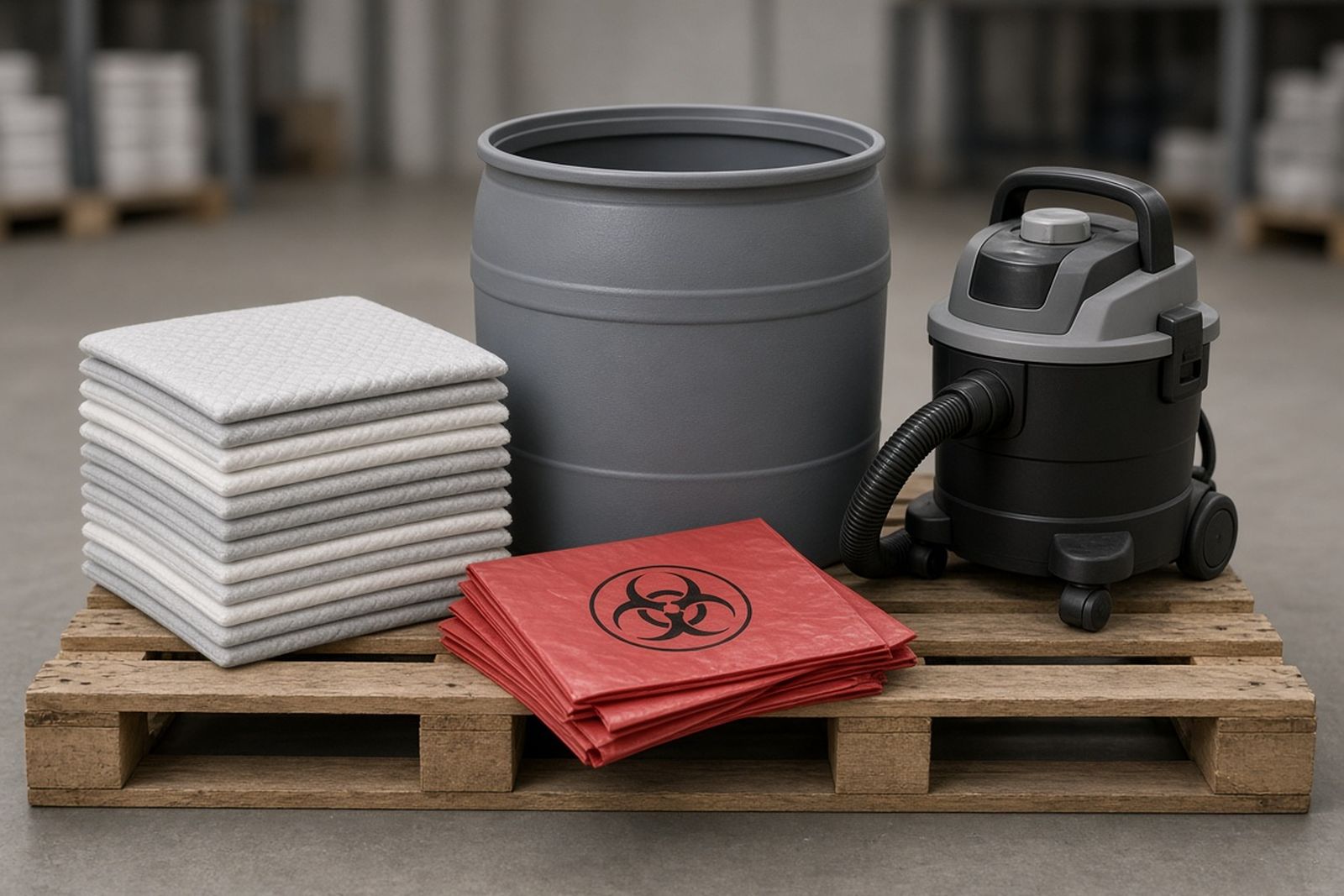
Costs explained
What drives the price, published cost ranges, and how to read a written quote line by line.
Insurance and payment
Which policies may respond, how to document a claim, and what to do if coverage is denied.
Community polls
Compare your instincts with other operations and safety leaders on scene holds, restart pressure, choosing a contractor, and supporting affected workers.
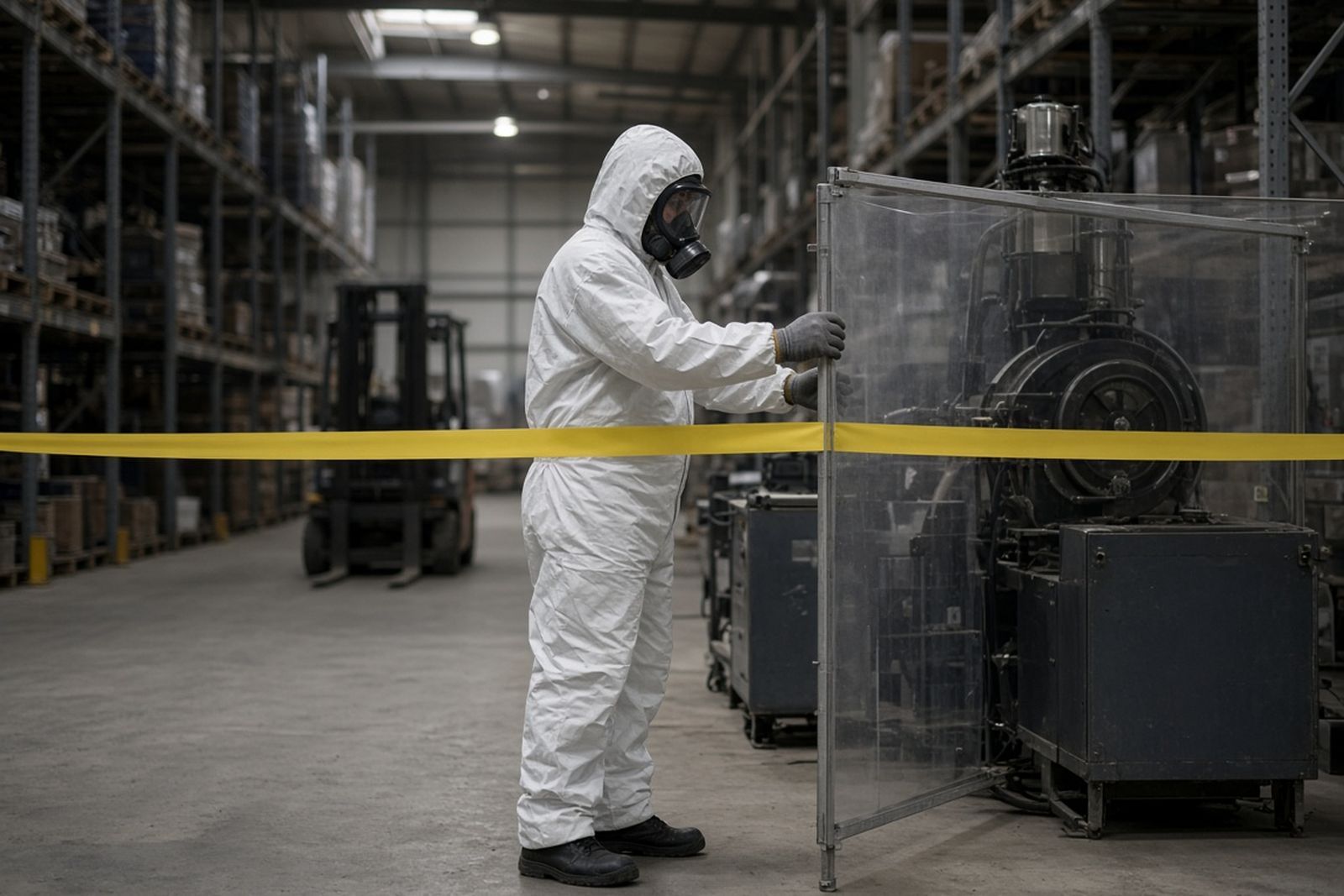
Knowledge quiz
Test what you know about spotting hazards, scene control, sealing off areas, disinfecting, waste paths, and records before an accident puts it to use.
Articles and resources
Practical articles on OSHA report deadlines and working with investigators. Others cover sites shared by several employers, planning the restart, and hard lessons other plants learned.