Industrial Accident Cleanup: Health & Wellness
Privacy, decision-load, trauma-aware communication, and verified support resources for people managing industrial accident cleanup. Educational remediation content is not mental-health treatment.
Health and wellness articles here recognize that a serious workplace injury affects more than the person who was hurt. Coworkers who saw it happen, supervisors who responded, and employees going back to the same workstation may all feel shaken. The articles in this category discuss practical ways to reduce disruption during cleanup. They cover how to talk with staff about what is being done. They also explain where to find mental health help, such as employee assistance programs. They do not assume how anyone feels, since some accidents are minor and others are deeply upsetting.
Get an email reply about industrial accident cleanup
Send a short message to the follow-up inbox. A coordinator can reply by email. This form does not send emergency help; call 911 first if anyone is in danger.
This matters because the way a cleanup is handled can either ease or add to stress among your workers. Visible barriers, clear signs, and honest updates about when an area will reopen tend to reduce rumors and worry. Asking staff to clean up after a coworker's injury can leave lasting discomfort, even when it is technically safe. These articles offer ideas for balancing production needs with your team's wellbeing. They also suggest when to involve human resources or workplace health staff. That way support is offered with respect, and people know where to turn if they need it.
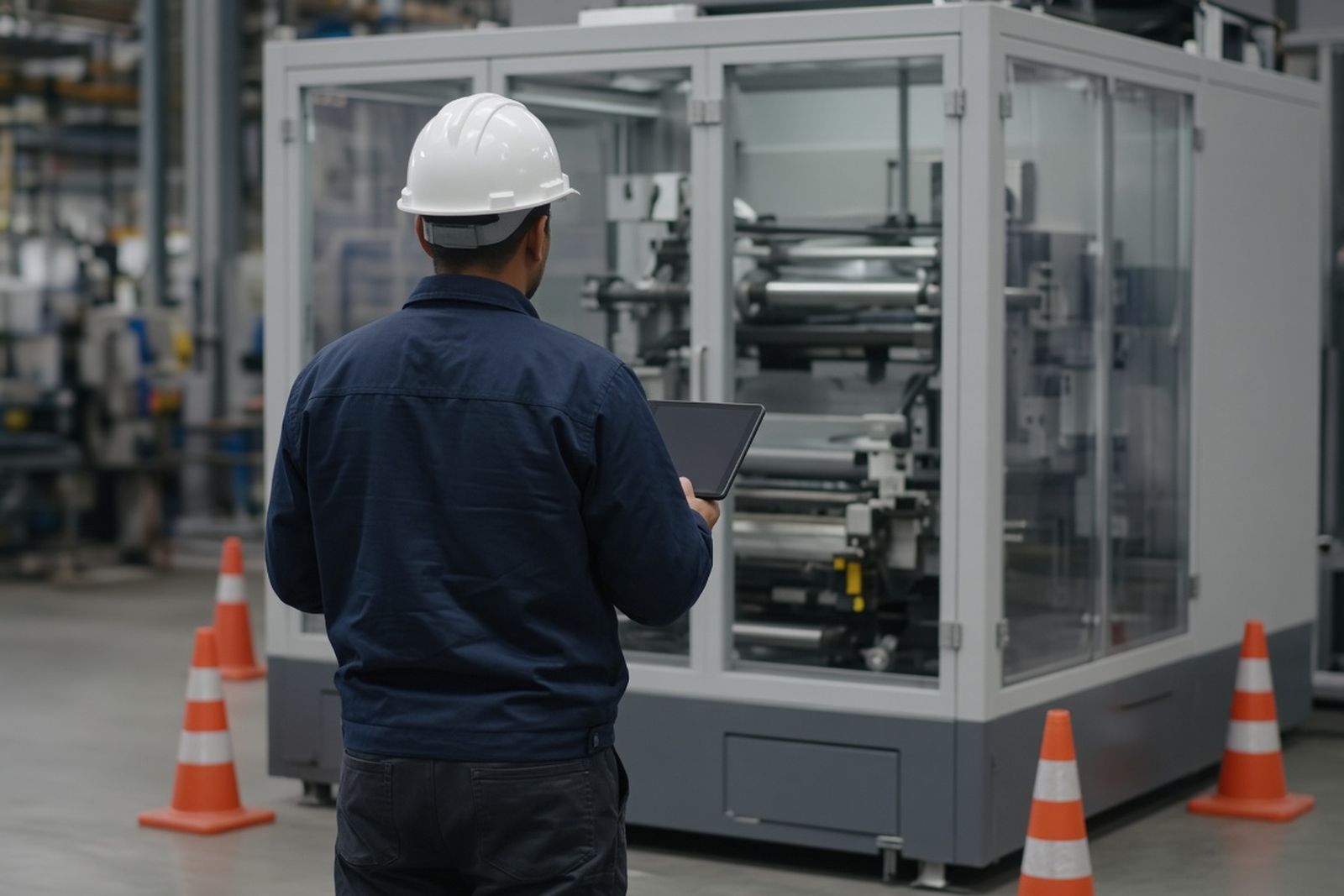
Managing Stress and Disruption During Industrial Accident Cleanup
How plant and site managers can support shaken employees, handle restart pressure, and lead the workforce through cleanup after a serious workplace injury.
After a serious workplace injury, stress runs through the whole site: coworkers who witnessed it, supervisors who feel responsible, and managers balancing investigation, cleanup, and restart pressure. You can reduce that strain by keeping witnesses away from the cleanup, communicating honestly, offering employee assistance and time off, pacing the restart, and making sure the area looks and feels different when people return.
Mental Health Resources During Industrial Accident Cleanup
Coworkers who saw a plant injury, gave first aid, or must run the same machine again need real support. Here is what employers and workers can use.
After a serious workplace injury, the people most affected are often coworkers who witnessed it, gave first aid, or must return to the same line. Useful support includes employee assistance programs, trained peer or critical incident responders, occupational health, chaplains, and licensed counselors. Employers can help by keeping witnesses off the cleanup, easing the return to the equipment, and communicating honestly. Anyone in crisis can call or text 988.
Sourced figures on health & wellness
- 224,450
Exposure to harmful substances or environments produced an annualized 224,450 days-away, restricted or transfer (DART) cases in private industry in 2023-24.
Read with care: Two-year annualized estimate; includes heat, chemical and other exposures.
Source: BLS (2024)United States private industry, 2023-2024 annualized
- 355,800
Manufacturing reported 355,800 nonfatal injuries and illnesses in 2023, an incidence rate of 2.8 cases per 100 full-time workers.
Read with care: Total recordable cases; only a portion involve bleeding injuries.
Source: BLS (2023)United States private manufacturing, 2023
- 104
Fires and explosions caused 104 fatal work injuries in the United States in 2023 and 93 in 2024.
Read with care: Small category with year-to-year variability.
Source: BLS (2023)United States, 2023 and 2024, all industries
These figures are public research and agency data, not this network's own job records. Keep each number with its population, year and limits; none of them predicts cost, timing or outcome at a specific property.
What research has found
Findings from published studies of people and properties in situations like this one. They describe what researchers observed in a specific group; they are not predictions for your case.
Some described heat and physical exertion as obstacles to wearing masks.
Floors were disinfected less consistently than high-touch surfaces.
Health & Wellness: common questions
How should we talk to employees about the cleanup after a coworker is injured?
Share what is being done and when the area should reopen. At the same time, protect the injured person's privacy. Avoid guessing about the cause until an investigation is complete. Let employees know that trained professionals are handling the cleanup, so they do not feel they have to help. Remind them of support that is available, such as an employee assistance program. Do not pressure anyone to use it.
Is it reasonable to let employees skip working at the affected station for a while?
Many employers find that flexibility helps, especially for people who saw the accident. A short-term move to another task, where operations allow, can give someone time to adjust. Human resources and workplace health staff can help you handle such requests fairly. The goal is to support your team while keeping expectations clear. Do not assume that everyone will react the same way.
What wellness resources can a facility offer after a serious workplace incident?
Common options include employee assistance programs, counselors through health plans, and group talks led by qualified professionals. Some companies bring in community mental health providers for support on site. Make these resources easy to find and private to use. If anyone talks about harming themselves, direct them to emergency services or a crisis line, such as the national Suicide and Crisis Lifeline.
How long might coworkers feel affected after a serious injury?
Reactions vary widely. Some people recover quickly. Others feel affected for weeks or longer. Reactions can also show up later, such as on anniversaries or when returning to the area. Keep support available beyond the first few days. Check in from time to time instead of assuming everyone is fine. Remind people that support is still there.
Should supervisors receive training on supporting staff after an incident?
Yes. Supervisors are often the first people employees turn to. Training can help them notice when someone is struggling, respond with care, and connect people with support. It also prepares them for their own reactions. Many employee assistance programs offer this kind of training. Short refreshers help keep the skills fresh. Practicing hard conversations ahead of time makes them easier when they are needed.
How can we support employees who were not present but knew the injured worker?
Share accurate information and acknowledge how the event affects people. Offer the same support you offer to those who saw it. People who knew the injured worker may be grieving or worried, even if they did not see what happened. Encourage supervisors to check in with them too. Former coworkers at other sites or on other shifts may also value a personal message or an invitation to any gathering.
What should we do if an employee mentions thoughts of self-harm?
Take it seriously. Stay with them, listen, and help them reach support right away. They can call or text 988 to reach the Suicide and Crisis Lifeline. If there is immediate danger, call 911. Let your employee assistance program know, and follow up afterward. Protect their privacy, and share only what is needed to keep them safe.
Related community polls
Every count is a real visitor vote; nothing is seeded or padded. One vote per poll per device, and you can change your answer.
After a serious injury on the floor, what was your hardest early decision?
How did your facility handle cleanup after a serious blood incident?
More on industrial accident cleanup
Industrial Accident Cleanup services
See how workplace injury cleanup, chemical spill response, equipment cleaning, and confined space work are planned and ordered for plants and job sites.
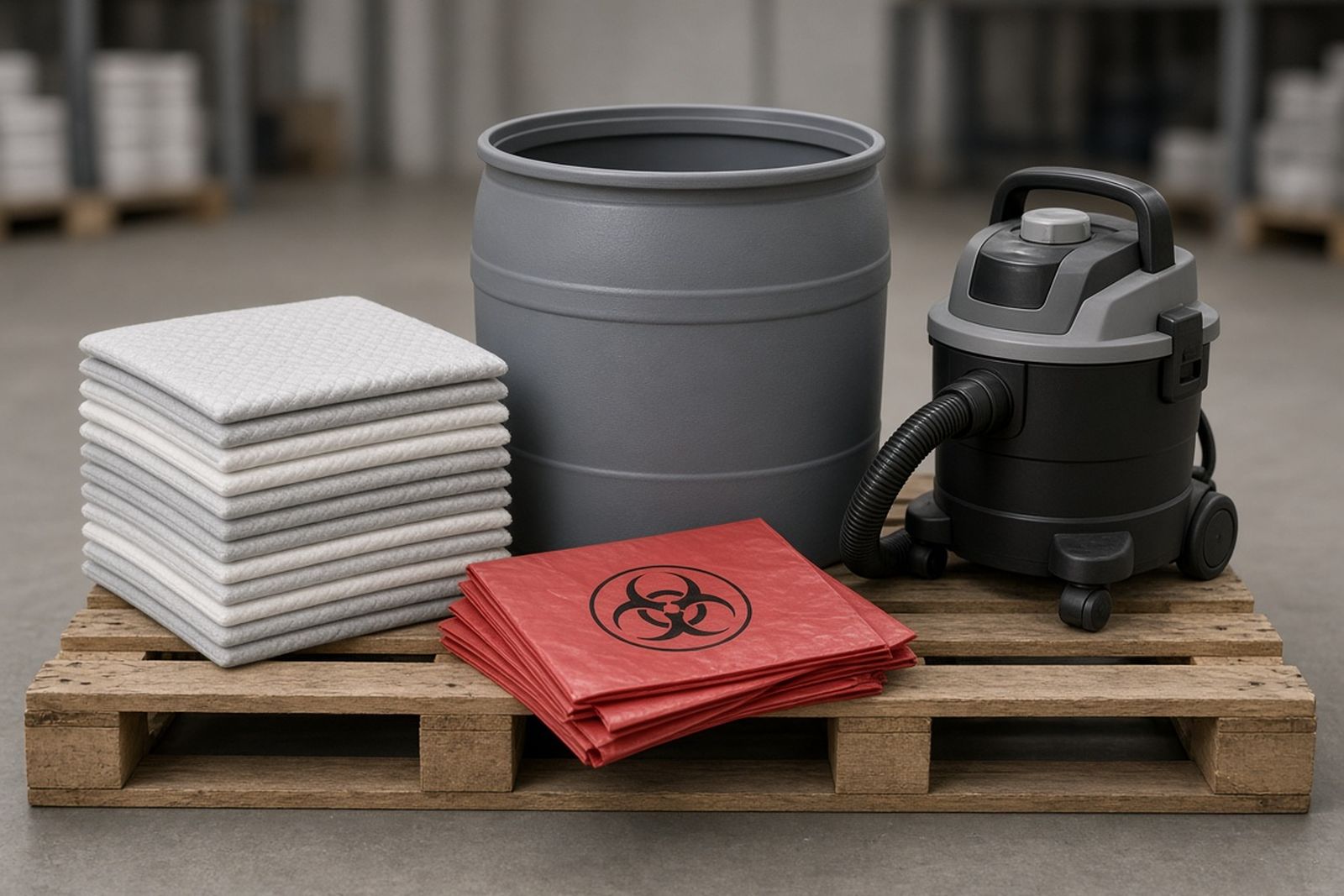
Costs explained
What drives the price, published cost ranges, and how to read a written quote line by line.
Insurance and payment
Which policies may respond, how to document a claim, and what to do if coverage is denied.
Planning tools
Planners and checklists built for facility managers. They cover cost ranges, contractor checks, insurance steps, first-day actions, waste sorting, and in-house risk.
Community polls
Compare your instincts with other operations and safety leaders on scene holds, restart pressure, choosing a contractor, and supporting affected workers.
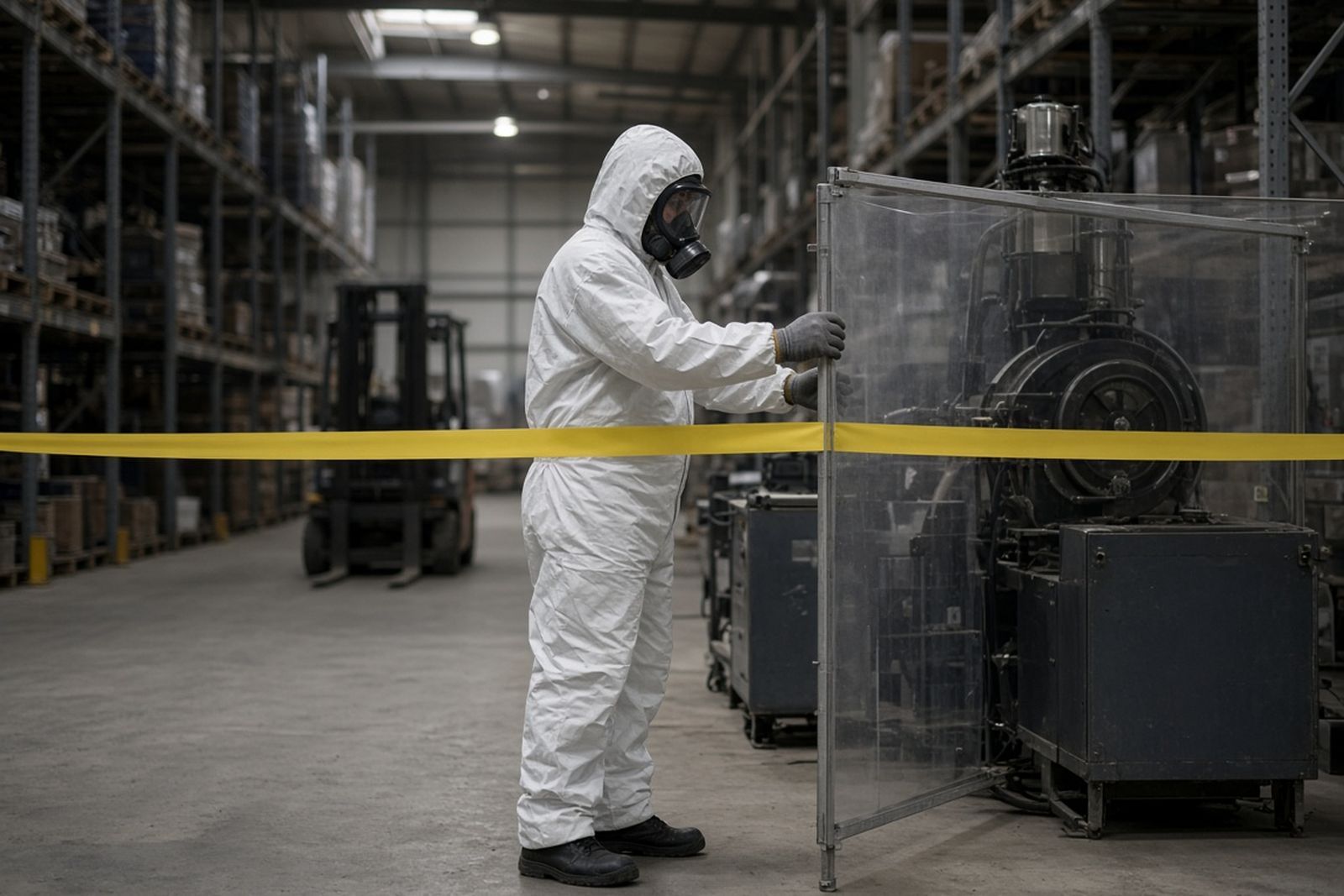
Knowledge quiz
Test what you know about spotting hazards, scene control, sealing off areas, disinfecting, waste paths, and records before an accident puts it to use.