Short answer
After a serious injury at work, the people hit hardest are often the coworkers who saw it, gave first aid or must go back to the same line. Helpful support includes your employee assistance program, trained peer or crisis responders, your workplace health clinic, chaplains and licensed counselors. You can help by keeping the people who saw it off the cleanup, easing the return to the equipment and speaking honestly. Anyone in crisis can call or text 988.
Who is hurting when someone is injured on your plant floor?
The injured worker and their family carry the heaviest load. They deserve care and privacy. But a serious accident usually touches many more people than one.
Coworkers who were nearby may have heard or seen the injury. Someone hit the emergency stop. Someone pressed on a wound or held the person's hand until paramedics came. A supervisor made the phone calls. A maintenance worker had to lock out the machine and later help put it back together. Days later, you ask an operator to run the same equipment again.
Each of these people may carry reactions that do not show on the surface. Planning their support is part of your response to the accident, just like reporting, lockout and cleanup.
Common reactions in the days and weeks after
Strong feelings after a frightening event are common. They do not mean something is wrong with the person who has them. Many ease with time and support. Some stay.
If a reaction lasts more than a few weeks, gets stronger or affects safety at work, it is time to bring in a professional. Make sure your supervisors know that a worker who is distracted or on edge may be at higher risk of a second accident. That is a reason to offer support, not discipline.
- Memories or images that push in, most often near the place of the accident.
- Jumping at sounds like a press cycling or an alarm.
- Not wanting to run the equipment involved or work in that area.
- Guilt about not stopping the injury or not doing more to help.
- Anger at the company, at coworkers or at themselves.
- Trouble sleeping, trouble focusing or a short temper at home.
Why you should not ask the people who saw it to clean up
In a smaller plant, it can seem practical to have the people already at the scene clean it. That is almost always a mistake, and not only because of the rules.
Cleaning the place where a coworker was hurt forces people to face, up close, what they just saw. The blood they are handling belongs to someone they know. For many, that becomes the sharpest memory of the whole event.
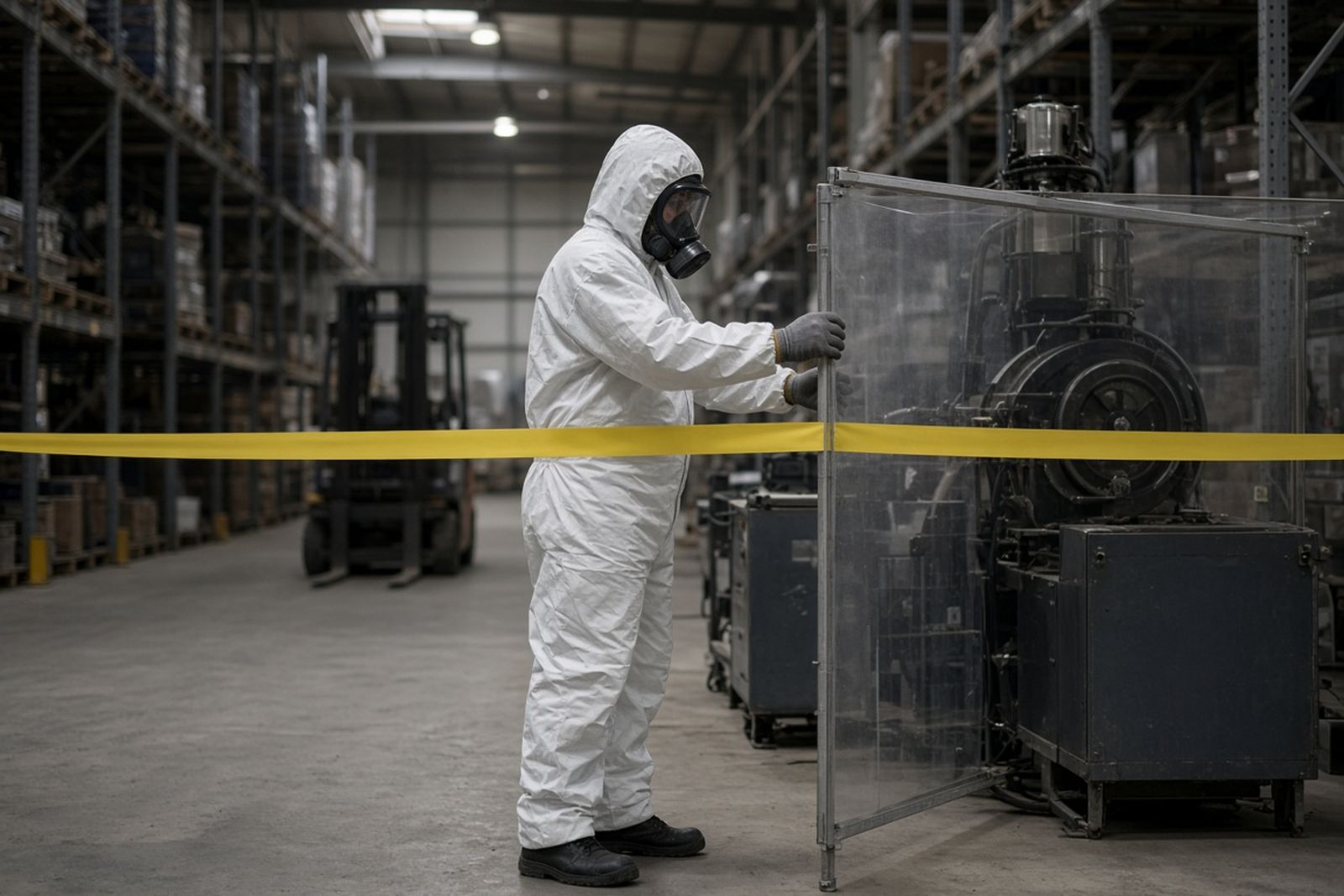
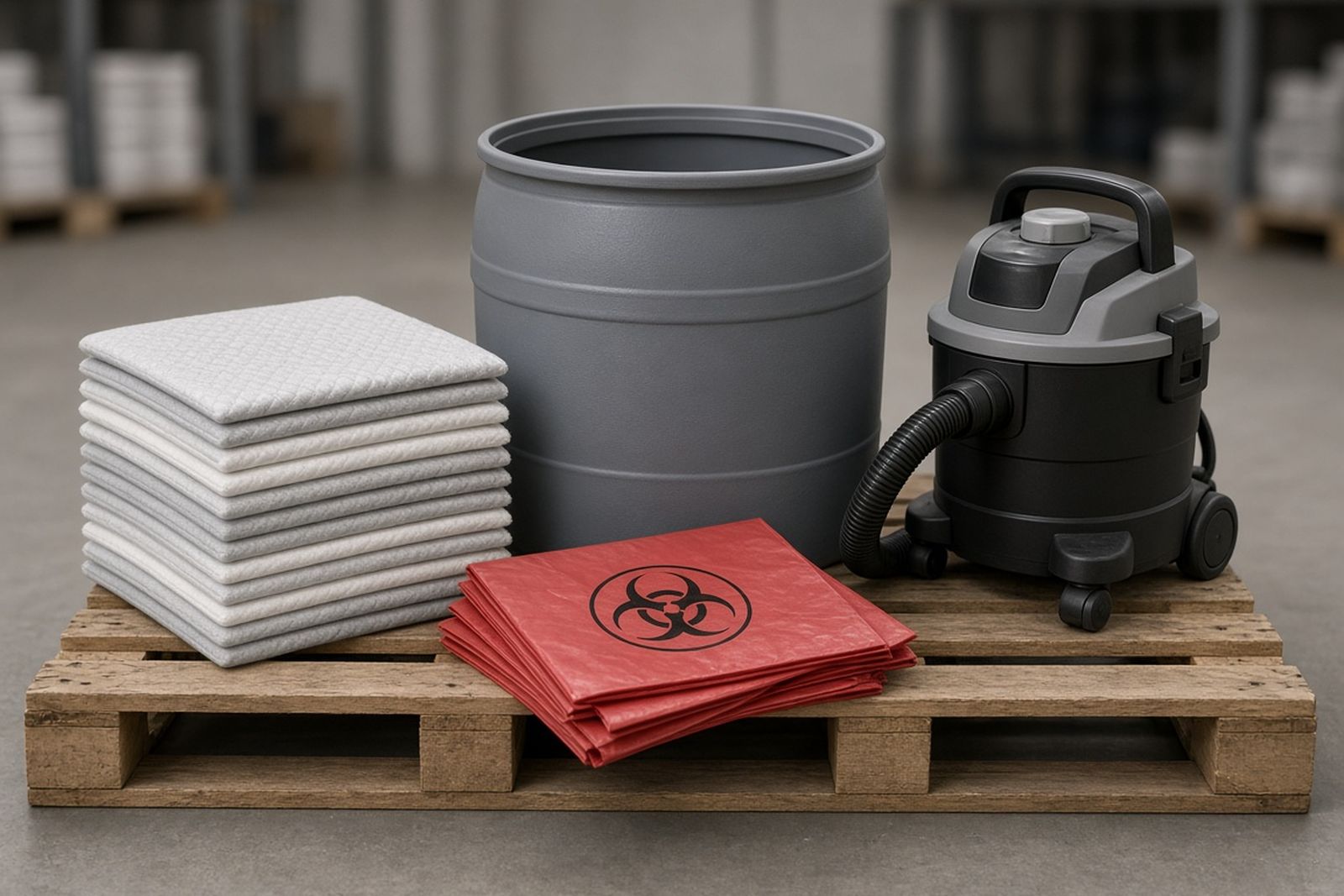
There is a practical problem too. Employees you assign to clean blood must be trained and protected under your bloodborne germs program. Production staff often are not. Use trained, named employees who were not involved, or a professional cleanup company. Either choice protects both the bodies and the minds of the people who saw the accident.
What support can you offer as an employer?
You probably already have more support options than you use. The key is to make them easy to see, fast, and to remove whatever stands in the way of using them.
An employee assistance program, or EAP, usually offers private short-term counseling for your employees and the people they live with. Call your EAP company right after the accident. Many can set up in-person or video sessions for groups or for one person at a time.
Some organizations have trained peer supporters or crisis response teams. Where you have them, their job is to listen, give practical information and connect people with more help. Taking part should be a choice. No one should have to talk about the event in a group.
Your workplace health clinic can look after physical symptoms. It can also handle exposure concerns for first-aid helpers who touched blood. Local chaplains and community counselors may be on hand as well.
Put crisis support in every message you send. If anyone is thinking about suicide or worried about a coworker, they can call or text 988 to reach the 988 Suicide and Crisis Lifeline at any time.
Going back to the equipment
Going back to a machine where a coworker was injured is one of the hardest moments for many of your workers. A caring plan makes it easier and safer.
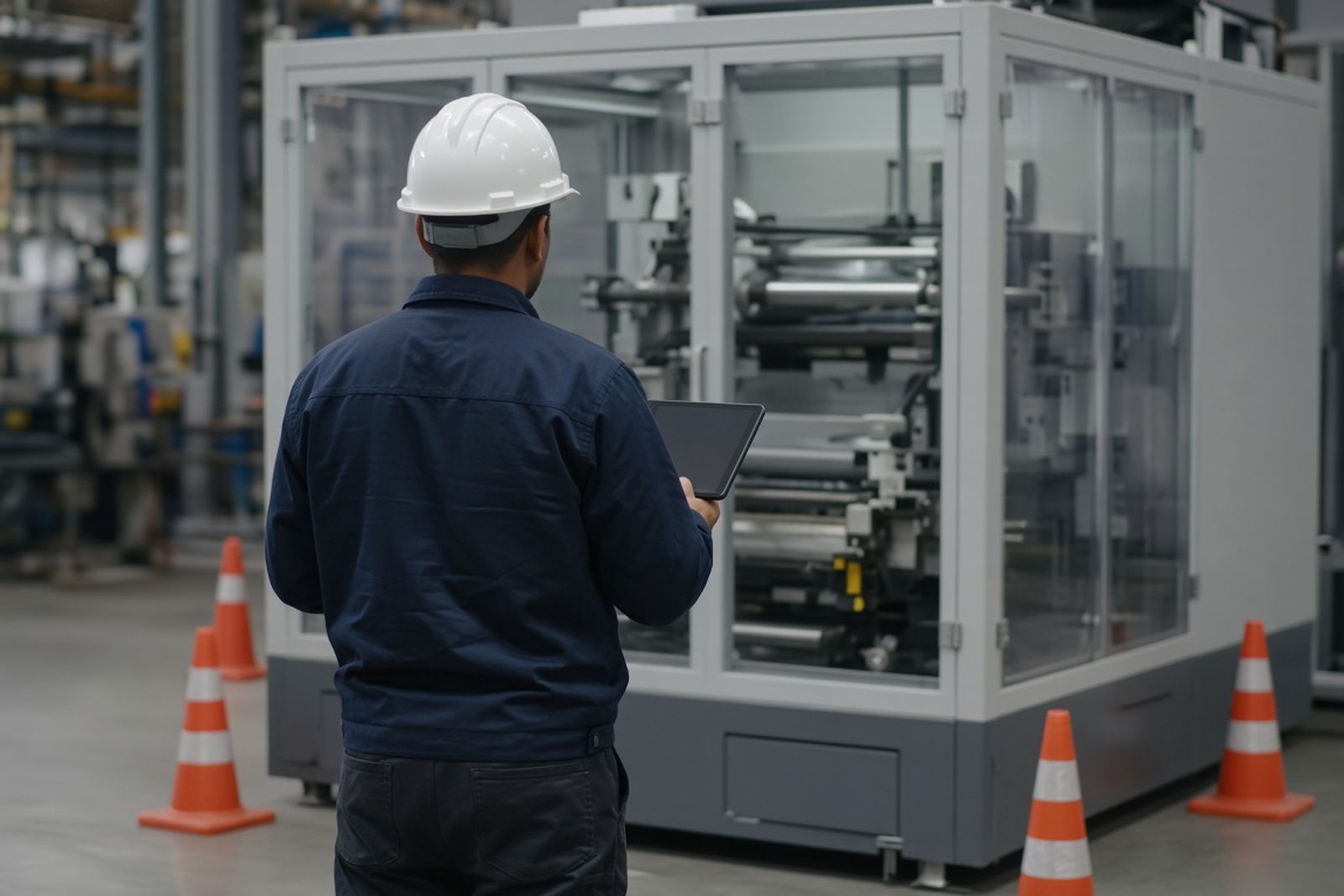
Before restart, explain what has changed. The investigation may have led to new guards, revised steps or more training. If so, walk your operators through it. People feel better about going back when they can see the cause was taken seriously.
Offer choices where you can. Some operators want to go back right away so things feel normal again. Others need a few shifts on a different line. Where production allows, honor those wishes for a limited time.
Think about a slow return. A supervisor or a seasoned coworker can work next to operators for the first shifts back. Check in casually over the weeks that follow, not only on the first day.
A support plan for the first week
Support works best when it comes in a clear order. Take a serious injury, such as a worker struck by a reversing forklift in a warehouse aisle. Your first week of support often follows a pattern like this.
On the day itself, keep the area closed. Bring the rest of the shift to a quiet space such as the break room. Share what you can without breaking the injured worker's privacy. They are getting care. The area will stay closed. A professional crew will handle the cleanup. If an EAP counselor can join in person or by video, introduce them and make clear that talking is optional.
Send any first-aid helper who touched blood to your workplace health clinic for exposure follow-up. Think about giving them the next day off with pay. Offer one-on-one counseling to anyone who is badly shaken, such as the operator of the equipment involved. Think about other duties for them while the investigation goes on.
Before the area reopens, explain any new traffic rules, barriers or steps. Post EAP and 988 information where people will see it. Check in personally with your most affected workers over the following month, not only in the first few days.
How should you and other leaders talk to staff after a serious injury?
Silence feeds rumor, and rumor makes distress worse. Your workers want to know what happened, how their coworker is doing and whether they are safe. Share correct information quickly. At the same time, protect the injured worker's medical privacy and respect any investigation.
Keep your messages simple and human. Say plainly that the event was upsetting. Say what is being done for the injured worker and their family. Say what is happening with the investigation and the cleanup, and where people can find support. Repeat the message on every shift, so your night and weekend crews hear it too.
Serious workplace injuries are not rare. Each one leaves coworkers, supervisors and families in need of support. Being ready to offer it is part of running a responsible operation.
Who looks after supervisors, safety staff and the cleanup crew?
The people running the response are easy to overlook. Your shift supervisor may spend the hours after an accident making calls, answering investigators, calming workers and writing reports. All the while they are taking in what they saw. Your safety manager may feel responsible for a failure in the safety system. Your plant manager may take calls from corporate leaders and the injured worker's family on the same afternoon.
These roles often come with an unspoken rule to stay composed. That can make it harder for leaders to admit they are struggling. You can help by clearly including supervisors and managers when you reach out about the EAP. Have a senior leader check in with them personally in the days after the event.
Your maintenance workers need attention too. You may ask them to lock out, take apart and later repair the very equipment involved, sometimes before it has been fully cleaned. If professional cleanup happens first, they are spared needless exposure, both physical and emotional.
If an outside cleanup company handles the job, its workers are supported by their own employer. Still, a short thank-you and a clear handoff from your team make the job easier for everyone. Share anything that helps the crew prepare, such as whether someone died. Then they are not caught off guard.
Investigators and insurance adjusters are part of the scene too, though they are not your employees. Be polite and organized, and be clear about which areas are open or closed. That eases the strain during an already tense time.
What workers can do for themselves and each other
Support does not come only from programs. Coworkers are often the first to notice when someone is struggling, and small gestures matter.
Look after your basic needs: sleep, food, movement and time with people you trust. Go easy on alcohol, which can make sleep and mood worse. If you find yourself avoiding the area or replaying the event, talk about it with someone. That could be a peer, a counselor, a chaplain or a family member.
If you notice a coworker pulling away, missing shifts or saying things that worry you, check in. You do not need perfect words. Ask directly how they are doing and listen. Help them reach the EAP or 988. That can make a real difference.
And if you ever feel that you cannot keep yourself safe, call or text 988 or go to the nearest emergency department right away.