Short answer
After a serious workplace injury, stress runs through the whole site: coworkers who witnessed it, supervisors who feel responsible, and managers balancing investigation, cleanup, and restart pressure. You can reduce that strain by keeping witnesses away from the cleanup, communicating honestly, offering employee assistance and time off, pacing the restart, and making sure the area looks and feels different when people return.
Why one injury affects the whole workforce
A serious injury on a production floor, construction site, or warehouse rarely touches only one person. Coworkers may have seen it happen, helped the injured worker, or heard the machine stop. Supervisors may replay the moments before, wondering what they missed. Employees on other shifts hear about it secondhand and begin to wonder whether their own station is safe.
Serious incidents are not rare, and behind each one is a crew that has to come back to work in the same building.
Whether your incident was fatal or a serious injury, the emotional effects on the site can be real and lasting. Planning for them is part of a responsible response, not an afterthought.
The effects also reach beyond your own employees. Contractors, temporary workers, drivers who were at the dock, and visitors who happened to be on the floor may have seen part of the incident. They are easy to overlook because they report to someone else. Make a list of everyone who was present and make sure each person, or their employer, is offered the same information about support.
Employees who witnessed the injury
People who saw the incident or helped the injured worker are often the most affected. Some will want to talk; others will go quiet. Some will insist they are fine and want to get back to work immediately, and some will struggle for days.
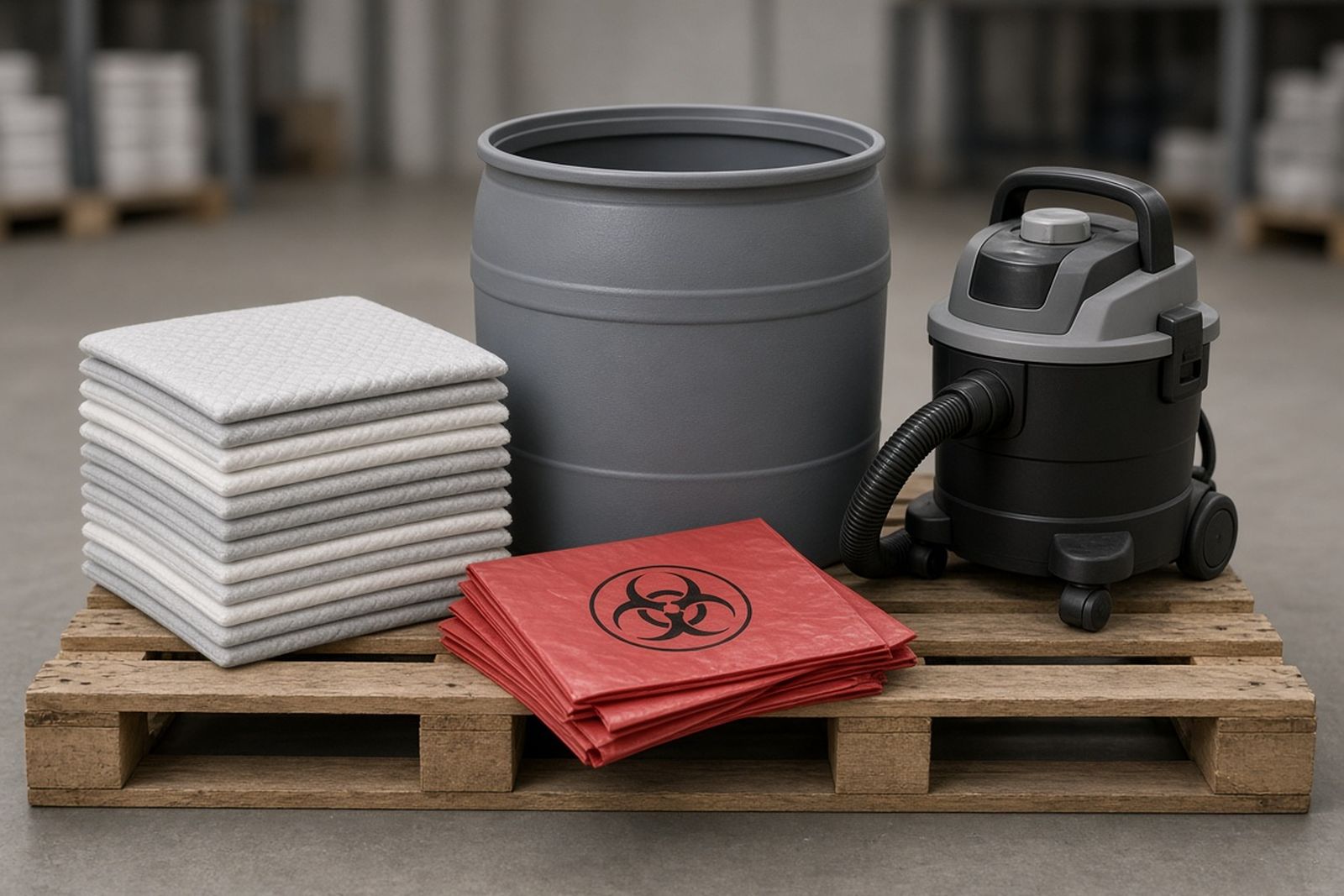
In the first hours, the priority is to move witnesses away from the scene, check on them individually, and relieve them from duty if they need it. Sending close witnesses home with pay for the rest of the shift, and arranging for the employee assistance provider to call them the next morning, is one practical way to do that. Avoid asking them to help secure the area or assist with cleanup. Those tasks belong to trained responders and the remediation contractor.
Witnesses may also need to give statements for your investigation or to outside investigators. Try to schedule interviews thoughtfully, allow a support person where appropriate, and remind employees that their account helps prevent future incidents rather than assign blame.
Remember the people who were not physically present but are still close to the injured worker. Carpool partners, friends from the break room, and relatives who also work at the site may be deeply affected. A supervisor who takes a moment to acknowledge those relationships, and to ask what would help, often does more good than a formal announcement.
What support can the company offer in the days after?
Many employers have an employee assistance program that offers confidential counseling. Some also arrange on-site support from a counselor in the days following a serious incident. Tell employees clearly how to access help, and repeat the information more than once, because stressed people often miss details the first time.
Other forms of support can matter just as much. Supervisors who check in, flexible scheduling for those who need a day away, and permission to decline assignments near the incident area for a while all send a message that the company cares about its people.
Watch for signs that someone is struggling beyond the first few weeks, such as trouble sleeping, irritability, difficulty concentrating, or avoidance of the work area. Encourage those employees to use the resources available. If anyone expresses thoughts of self-harm, connect them with help right away; the 988 Suicide and Crisis Lifeline is available by call or text.
Restart pressure and how the cleanup shapes morale
Operations leaders face real pressure to get the line or site back up. Orders are waiting, crews are idle, and corporate may be asking for a timeline. That pressure is legitimate, but pushing a restart too fast can backfire.
An area should not reopen until the investigation has released it, the remediation contractor has finished, and any equipment involved has been inspected and repaired. Even then, consider phasing the restart. Starting with a smaller crew, a supervisor present, and a safety briefing gives people time to adjust.
Ask employees who work in the area how they feel about returning. Some may prefer a different station for a period. Offering witnesses an assignment in another area for a few weeks is a simple option, and accommodating such requests where possible usually costs less than the productivity lost to distracted or anxious workers.
How the incident area is cleaned has a direct emotional impact. If employees see traces of the incident when they return, or if they watch the cleanup happen from nearby workstations, the memory becomes harder to set aside.
Removal of personal items needs particular care. The injured worker's gloves, lunch bag, locker contents, or tools may still be near the scene. Rather than letting the contractor dispose of them with contaminated waste, set aside anything that is not contaminated and arrange for it to be returned to the worker or family respectfully. Items that cannot be saved should be handled discreetly, with the family informed where appropriate.
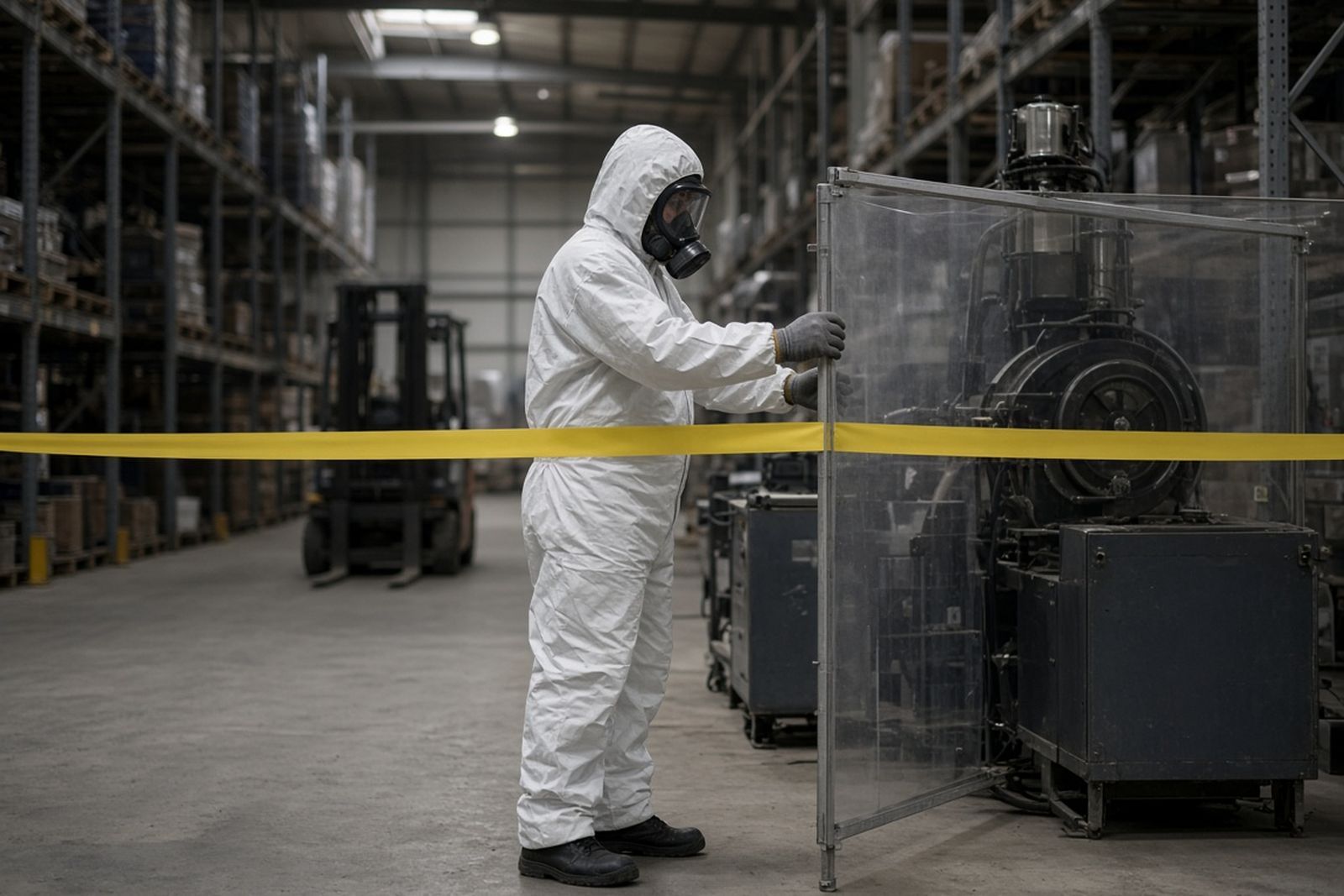
Ask your remediation contractor to work when the area is empty or screened from view, to remove all visible evidence, and to leave the area orderly. Consider small changes that help the space feel different, such as fresh floor markings, new guarding, or rearranged storage.
Coordinate the timing so the area is finished and inspected before the first shift returns. Walking into a space that is clearly restored, with a supervisor present to explain what has changed, is far easier than stumbling on unfinished work.
What leaders should say to the workforce
Employees want honest information. They want to know how their coworker is doing, what happened, and what the company is doing to prevent it from happening again. Some details will be private or under investigation, and it is fine to say so.
Hold short meetings on each shift before the line restarts, so no crew hears the news secondhand. Keep these points in mind when addressing crews:
- Share what you can about the injured worker's condition, with the family's permission
- Explain that an investigation is underway and that findings will be shared when possible
- Describe immediate safety measures taken, such as equipment locked out or procedures paused
- Tell people where to get support and that using it is encouraged
- Invite employees to raise safety concerns and explain how to do so
- Avoid speculation about cause or blame before the investigation concludes
Your own stress, and rebuilding confidence in safety
Plant managers, supervisors, and safety leaders often carry the heaviest private burden. They may feel responsible even when they could not have prevented the incident, and they are expected to keep everyone else steady while absorbing questions from corporate, investigators, carriers, and families.
Give yourself the same grace you offer employees. Use the employee assistance program yourself, talk with a trusted peer, and delegate tasks that others can handle. Leaders who model healthy coping make it easier for their teams to do the same.
Be careful with how you speak about the incident to corporate or external audiences as well. Employees often learn what leadership says in those settings, and language that minimizes the event or focuses only on downtime can undo the goodwill built on the floor.
It also helps to have a plan in place before anything happens. Knowing who to call, which contractor to bring in, and how to communicate with the workforce removes some of the decision fatigue that makes the first days so exhausting.
Returning to normal does not mean forgetting. Employees are more likely to feel safe when they see concrete changes and are involved in making them. Share investigation findings when possible, explain corrective actions, and invite crews to help refine procedures.
Recognize the people who responded well, including coworkers who helped, supervisors who managed the scene, and the teams who kept the rest of the facility running. That recognition reinforces the behaviors you want in the future.
Finally, review your emergency plan with the lessons fresh. Update contact lists, contractor arrangements, communication templates, and support resources. Reporting and investigation requirements differ by jurisdiction and incident type, so review the updated plan with your safety counsel to confirm it matches current obligations.