Short answer
Local industrial accident cleanup firms often reach your plant faster, know regional regulators and haulers, and put owners directly on site. National companies can cover many facilities under one agreement, bring heavy equipment and chemical response depth, and standardize reporting, though they may rely on subcontractors. Judge both on the crew that will actually arrive, their biological and chemical capability, their safety record, and how they fit your contractor program.
Why industrial sites change the choice
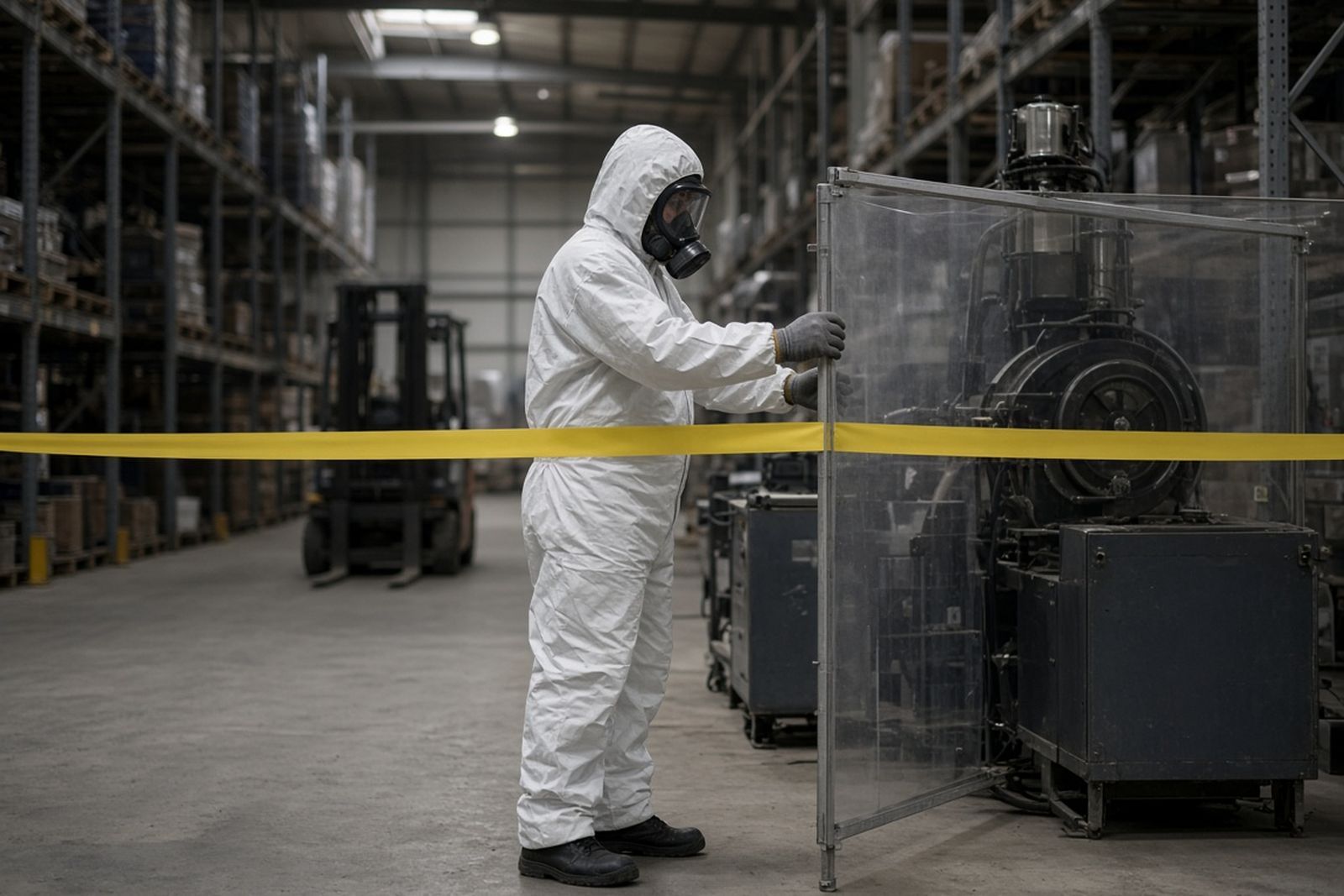
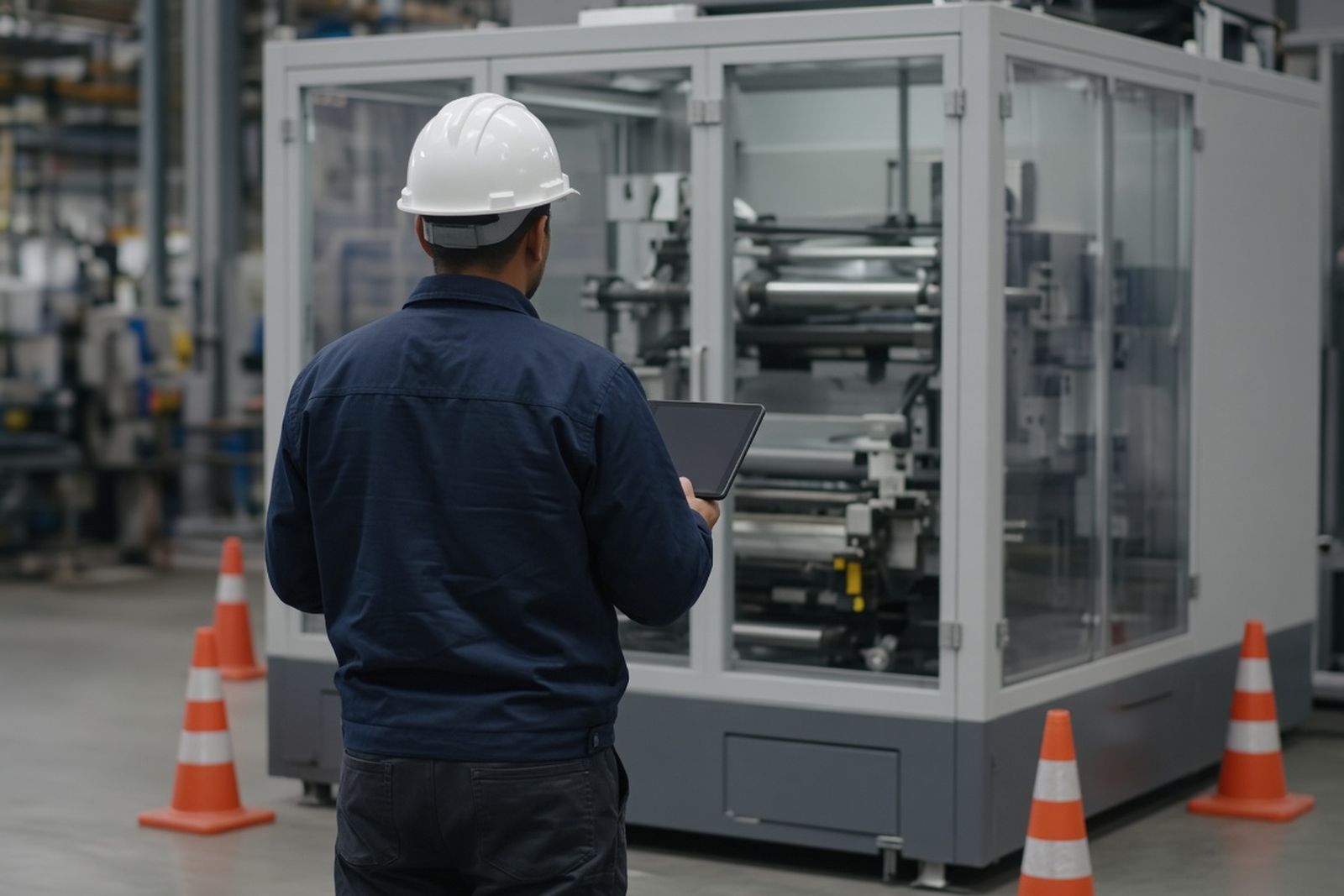
Cleaning up after an industrial accident usually means more than removing blood from a floor. Crews may need to work inside locked-out machinery, handle hydraulic fluid or process chemicals, recover contaminated water from drains, and follow site rules for hot work, confined spaces, and forklift traffic. Your provider must be capable of all of that, not just biohazard cleaning.
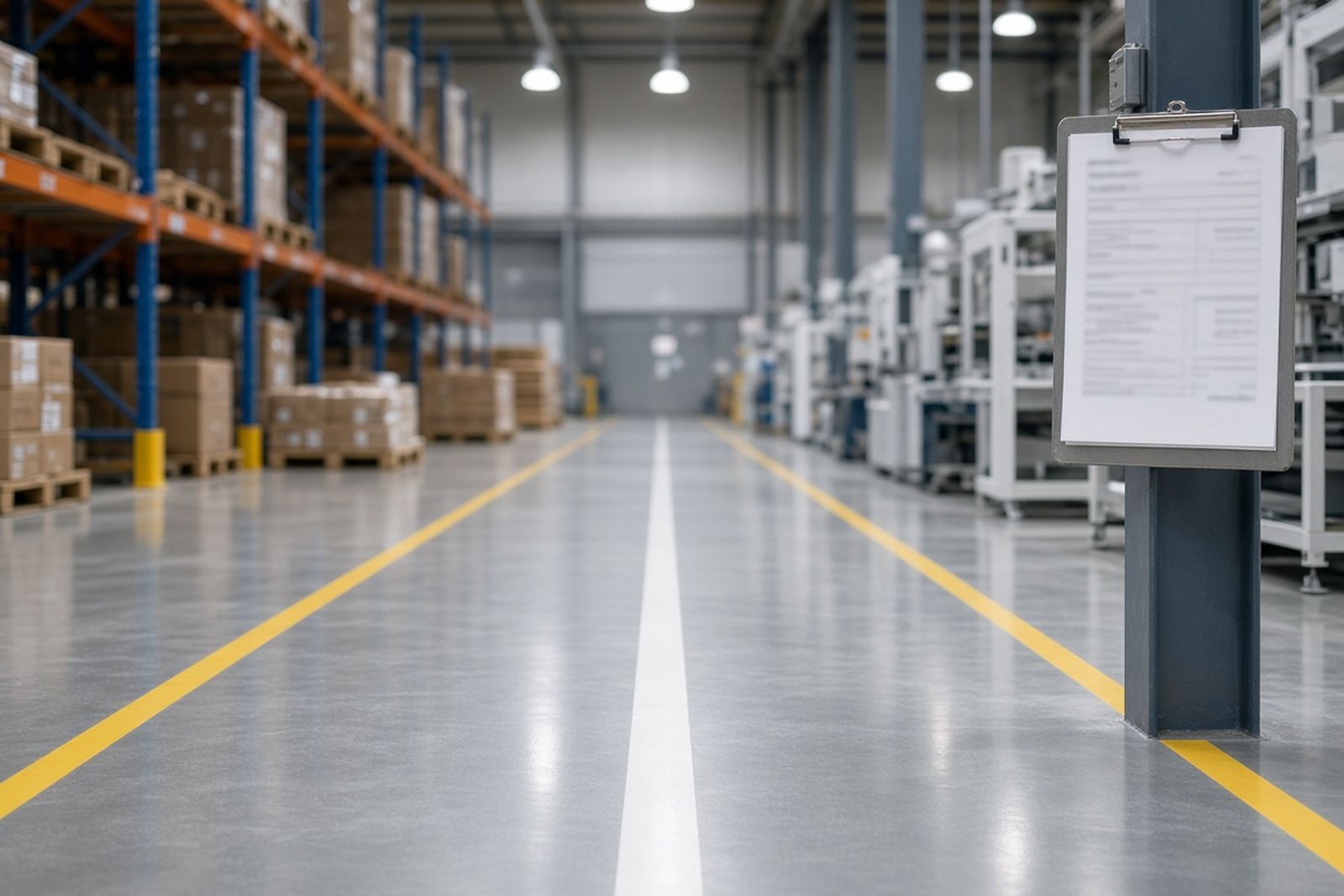
Industrial sites also have formal contractor management expectations. Many plants require insurance certificates, safety program documents, site orientation, and sometimes pre-qualification through a third-party platform before a contractor can set foot on the floor. Getting a provider through that process in the middle of an emergency is difficult, which is why the choice is best made in advance.
Both local firms and national companies can meet these needs. They tend to do it in different ways.
Strengths of a local provider
A regional remediation company is often closer to your plant, which can matter when a line is down and production managers are counting hours. Its leadership may be personally reachable, and the same crew lead might handle every job at your site, learning your equipment and people over time.
Local firms usually know the regional wastewater utility, the state environmental agency's local office, and the haulers who accept regulated medical waste and oily waste in your area. That knowledge speeds up the parts of the job that happen after cleaning.
They can also be flexible. A smaller company may adjust its approach to fit your lockout program, your food safety rules, or your union agreements without routing requests through a corporate office.
- Shorter travel time to your facility
- Continuity of crew leads who learn your site
- Familiarity with local regulators, utilities, and haulers
- Direct access to owners for decisions
- Flexibility to adapt to your site rules
Strengths of a national provider
Companies that operate across many regions can offer a single master service agreement covering all of your facilities. For a manufacturer with plants in several states, that simplifies contracting, pre-qualification, invoicing, and reporting.
National industrial service firms often bring depth in chemical and hazardous materials response, including crews trained for larger releases, vacuum trucks, confined space rescue capability, and environmental specialists. When an accident combines a serious injury with a significant spill, that breadth can be valuable.
They may also have formal quality and safety management systems, dedicated training staff, and standardized closeout documentation that your corporate EHS team can compare across sites.
Common weaknesses on both sides
Local firms may have limited staff. If two of your plants have events on the same day, or if the firm is already committed to a large job, you may wait. Some smaller companies are strong in biohazard work but less experienced with chemical releases or heavy machinery, and vice versa.
National firms may rely on subcontractors or affiliates to reach smaller markets. The crew that arrives at a rural plant might be a local partner operating under the national brand, with training and supervision that vary from the company's flagship locations. Response can also involve more layers of communication, from a call center to a regional manager to a crew lead.
Neither weakness is a dealbreaker. Both are reasons to ask specific questions rather than relying on reputation or size.
Geography cuts both ways as well. A local firm headquartered forty minutes away may still be faster than a national company whose nearest branch is three hours out, but a national company with a branch in your industrial park may beat a local firm based across the state. Ask each provider where its crews and equipment are actually staged, not where its offices are listed.
Safety record and the crew that actually arrives
A contractor working in your plant affects your safety performance and potentially your regulatory exposure as a host employer. Its own safety culture matters.
Remediation is not a low-risk occupation. The BLS reported that waste management and remediation services had a total recordable injury rate of 3.1 cases per 100 full-time workers in 2023. Ask each provider for its own injury and illness data, its safety program documents, and how it investigates incidents involving its crews.
Look for evidence that the company takes lockout, respiratory protection, and bloodborne pathogen training seriously. Ask how it orients crews to a new site and who is responsible for enforcing your rules while they are working. A provider that treats your site orientation as a formality is a poor fit for an industrial setting.
The most important question is who will walk through your door. Sales conversations often feature the company's best people and capabilities. The crew on a Saturday night may be different.
Ask for names and training records of the crew leads likely to serve your facility, and whether you can require that only pre-approved individuals work on site. That is common practice in many plants and reasonable to request of any provider.
- Are the technicians your employees, or subcontractors or affiliates?
- What training do crew members have for bloodborne pathogens, hazardous chemicals, lockout, and confined spaces?
- Who supervises the crew on site, and what authority does that person have?
- Can the same crew lead be assigned to our facility for recurring work?
- How do you handle work involving both biological and chemical contamination?
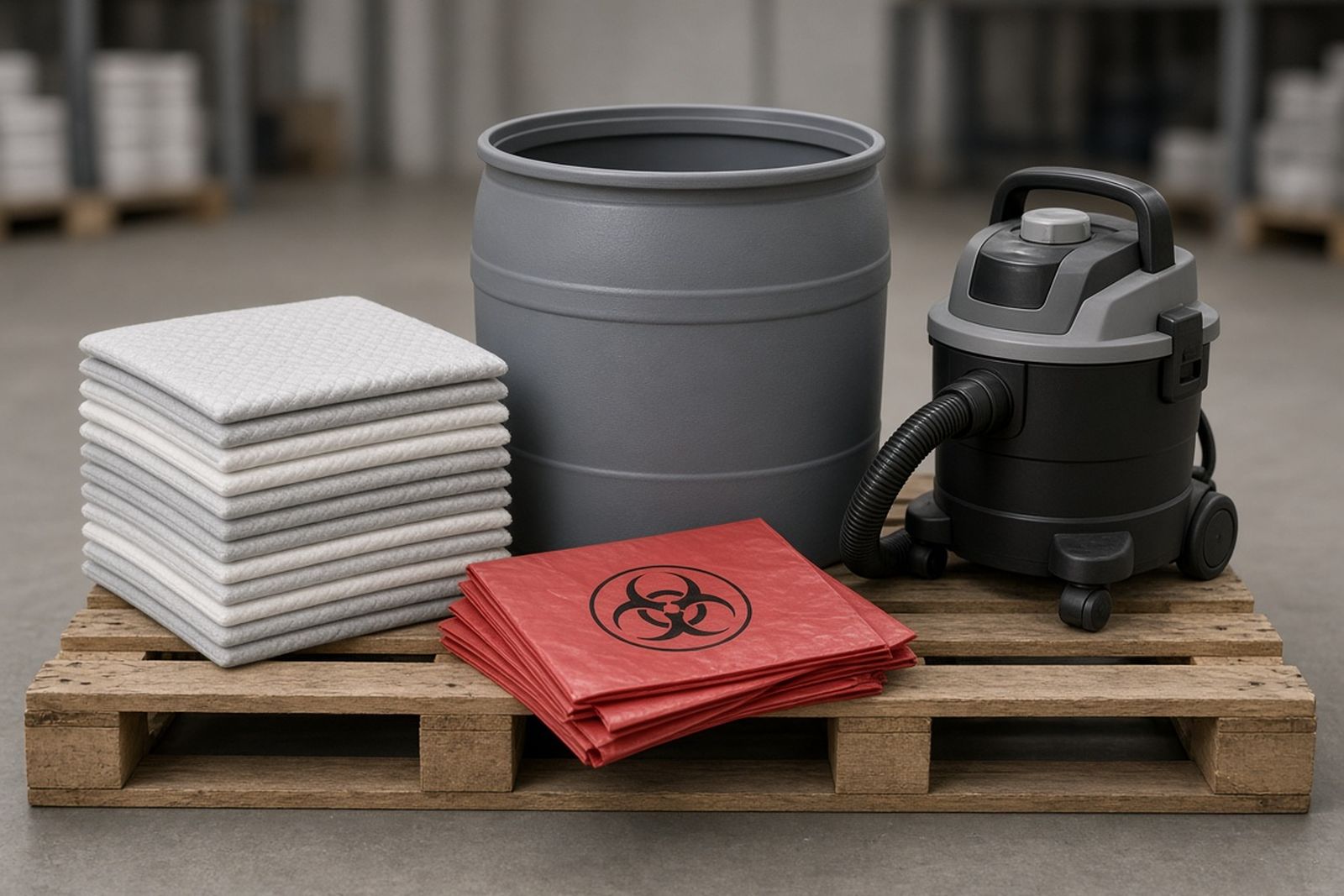
- What equipment will the crew bring, and what will they expect us to provide?
Comparing documentation and scope
A clear scope and a complete closeout package protect you with regulators, insurers, and your own leadership. Ask each provider for a sample scope and a sample closeout report from a comparable industrial job, with identifying details removed.
A strong scope names the work zones, lockout responsibilities, products and their safety data sheets, waste streams, and verification steps. A strong closeout includes photographs, product and contact-time records, waste documentation for each stream, and signatures from both sides.
Pay attention to how the provider handles mixed waste, such as absorbent with both blood and hydraulic fluid. A thoughtful answer shows experience with industrial scenes. Rules vary by state and county; verify with the local authority on waste classification and transport.
Review the commercial terms with the same care. Rate sheets from different providers are rarely structured the same way. One may bundle mobilization, PPE, and waste disposal into its rates, while another lists each separately. Emergency, overnight, and weekend terms also vary. Ask each provider to price the same sample job so you can compare them on equal footing, and have your purchasing and legal teams review indemnity and insurance clauses before an event rather than during one.
One way a multi-plant manufacturer might decide (illustrative)
This illustrative case uses a made-up company. A food ingredients manufacturer has five plants in three states. Its corporate EHS director wants a consistent approach to post-accident cleanup after an incident at one plant revealed that no cleanup provider was pre-qualified there.
The director sends the same questionnaire to two national industrial service companies and to local remediation firms near each plant. Questions cover crew training, subcontracting, chemical capability, food safety experience, documentation, and safety performance.
One national company can serve all five plants but uses affiliates at the two most rural sites. A local firm near those rural plants has strong biohazard experience and food plant references but limited chemical response capability.
The director signs a master agreement with the national company for all sites and pre-qualifies the local firm at the two rural plants as the first call for injury cleanups without significant chemical releases. Both providers attend site orientations, receive the plants' lockout and sanitation procedures, and agree to the same closeout format. The arrangement is reviewed annually.
Before you ever need a provider
The worst time to choose an industrial accident cleanup company is the afternoon of an injury. Pre-qualify at least one provider for each facility, and ideally a backup.
Complete insurance and safety program reviews, site orientation, and any required platform registrations in advance. Share drain maps, lockout procedures for major equipment, chemical inventories, and any food safety or product-contact rules. Agree on a scope template and a closeout format.
Keep contact information for your chosen providers with your emergency response plan, and test it occasionally. A quick call to confirm that the after-hours number still works can save hours when it matters.
Consider including your provider in a tabletop exercise. Walking through a mock injury with your EHS team, maintenance lead, production manager, and the provider's crew lead reveals gaps that paperwork hides: a lockout point nobody mentioned, a drain that goes somewhere unexpected, or a waste container that will not fit through the only available door. An hour spent this way is far cheaper than discovering the same problems during a real event.