Short answer
After a serious workplace injury, red flags in a cleanup contractor include pressure to start before investigators release the scene, no questions about lockout and energized equipment, unnamed chemicals, no plan for mixed biological and industrial contamination, missing safety data sheets, informal waste handling, and no written scope or completion report. A qualified contractor coordinates with EHS and treats the area as both a biohazard and an industrial worksite.
Why is hiring the wrong contractor riskier on an industrial site?
A serious injury on a production floor, loading dock, or construction site creates two problems at once. There is biological contamination from the injured worker, and there is an industrial environment full of moving parts, stored energy, lubricants, chemicals, and equipment that may still be part of an investigation.
A contractor who only understands one side of that picture can make things worse. A residential biohazard crew may not know how to work safely around a press that has not been locked out. A general industrial cleaner may not understand bloodborne pathogen exposure or how to handle contaminated materials.
The right contractor also has to fit into your incident response. Your safety manager, corporate EHS team, carrier, and possibly a regulator all have a stake in what happens to the area. The warning signs below are about spotting a contractor who will not respect those relationships.
Red flag: eagerness to start before the scene is released
This is the red flag that can cause the most lasting damage. After a serious incident, the area may need to be preserved for your internal investigation, for law enforcement in some cases, and for a regulatory inspector. Moving a guard, wiping a control panel, or discarding a damaged part can destroy evidence of what happened.
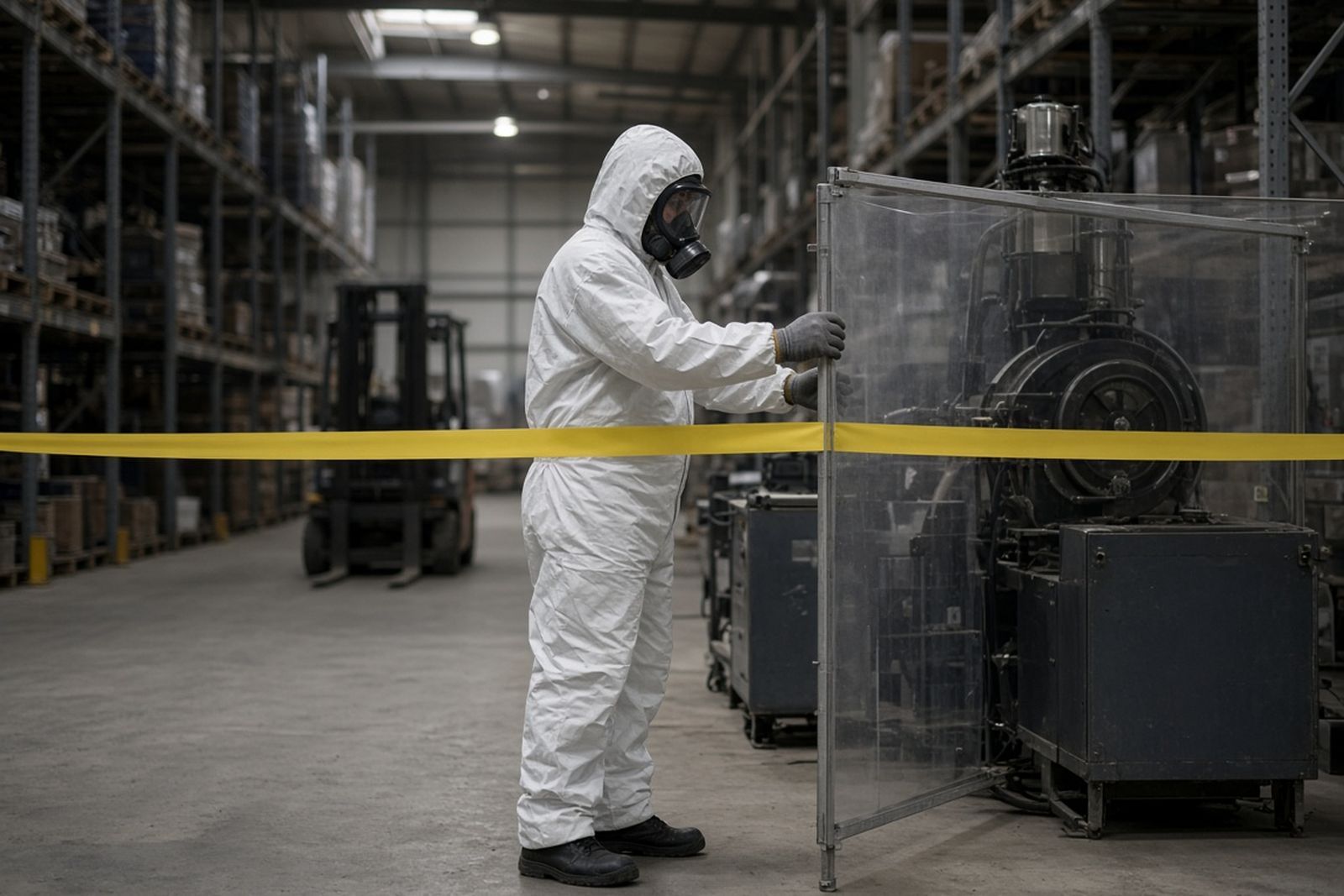
A reputable contractor will ask who has authority to release the area and wait for that confirmation in writing. They may help you secure the space, set up barriers, or cover contamination to limit spread while you wait, but they will not start removing or cleaning anything until the right people say so.
If a contractor tells you the investigation will not matter or that they can work around it, thank them and move on. Reporting duties and investigator access rules vary by jurisdiction and by the severity of the incident, so confirm them with your safety counsel before anything is disturbed.
Pay attention to who calls whom. A contractor who appears at your gate unannounced, having heard about the incident from a scanner or social media, has skipped the step where your company decides who belongs on site. Direct any unsolicited arrivals to your safety lead and do not let them past the entrance until someone with authority has vetted them.
Silence on lockout or safety data sheets
A qualified contractor will ask about lockout before anything else. A serious injury often involves a machine, conveyor, vehicle, or tool that is still connected to power, hydraulics, pneumatics, or gravity. Cleaning around that equipment without proper energy isolation can injure the cleanup crew.
Energy control remains one of the most persistent safety gaps nationally. OSHA cited Lockout/Tagout (1910.147) 2,443 times in fiscal 2024, ranking fifth among most-cited standards, as reported by Safety+Health in 2024. If a remediation contractor never mentions lockout, it suggests they have not thought about the hazards specific to your site.
Good contractors ask who will perform lockout, whether your authorized employees will stay on site during the work, and how the crew will verify zero energy before reaching into equipment. They should also ask about confined spaces, elevated work, and forklift traffic near the incident area.
Missing safety data sheets are just as telling. Any chemical a contractor brings into your facility becomes part of your hazard communication environment for the duration of the job. Your employees may be working nearby, and your EHS team needs to know what is being used and how it interacts with materials already on site.
Hazard communication problems are common in industry. OSHA issued 2,888 Hazard Communication citations in fiscal 2024, making it the second most-cited standard for the third consecutive year, according to Safety+Health in 2024. A contractor who adds undocumented chemicals to your floor can create exactly the kind of gap an inspector looks for.
Ask for safety data sheets for every product, the EPA registration number for any disinfectant, and a short explanation of how products will be kept away from incompatible materials such as oxidizers, acids, or process chemicals.
Scope gaps that reveal inexperience with industrial contamination
Industrial incidents rarely involve blood alone. Hydraulic fluid, coolant, metal fines, grease, and product residue often mix with biological material and cling to textured surfaces, grated flooring, and the underside of equipment. A scope that treats the job like a household spill is incomplete.
Watch for these gaps in a written proposal:
- No mention of degreasing before disinfection on oily or machined surfaces
- No plan for grating, drains, trenches, or pits beneath the incident area
- No discussion of equipment that must be disassembled or cleaned by the manufacturer
- No distinction between porous materials to remove and hard surfaces to clean
- No containment boundary or plan to keep contamination from spreading to adjacent lines
- No verification step, such as a final walkthrough with your safety lead
Vague waste handling
Waste from an industrial accident can include items saturated with bodily fluids, absorbent materials, damaged product, and cleaning materials that also contain industrial chemicals. Some of that waste may be regulated as medical waste, some may fall under hazardous waste rules, and some may be ordinary industrial waste once properly handled.
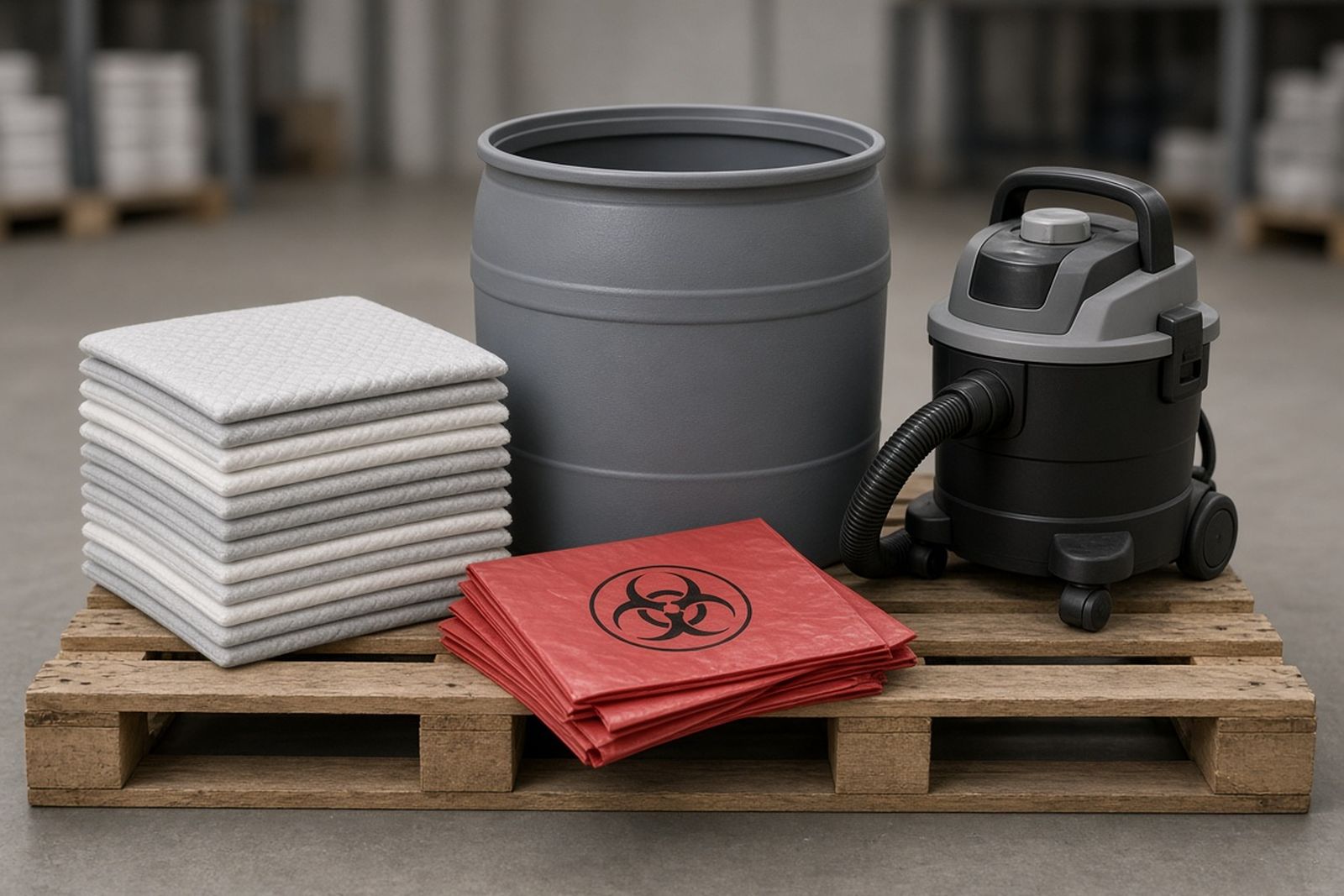
A contractor should explain how they will segregate those streams, what containers they will use, who will transport the waste, and what records you will receive. If the answer is that everything goes into your plant dumpster, that is a problem for your environmental compliance and for your waste hauler.
Ask whether your facility or the contractor will be listed as the generator on any waste manifests. That detail matters for your records and your environmental permits.
Also ask how contaminated items will travel from the incident area to the loading dock. Carrying dripping bags past a break room or through an active production line spreads the problem and upsets employees. A careful contractor plans a route, protects the floor along it, and stages sealed containers in a controlled spot until pickup.
A weak bid and a strong bid, compared
After a serious injury at a press brake or similar machine, two proposals for the same floor can look very different, and the difference usually shows up in the questions each contractor asks.
A weak bid proposes to start immediately so the line can restart by morning. The crew lead plans to wipe down the press, mop the floor, and bag everything in the area. There is no question about whether the press has been locked out, no safety data sheet for the disinfectant, and no mention of the drain grate beneath the machine.
A strong bid asks whether the area has been released, who will perform lockout, and whether hydraulic fluid is present. It proposes to begin only after written release, degrease before disinfecting, lift and clean the grate, and provide a waste manifest and completion report for your EHS director.
The weak bid might get the line running sooner. The strong one protects the investigation, the crew, and the company's records, which matter far more in the weeks that follow.
Why should employee well-being be part of the conversation?
Coworkers who witnessed the injury or helped the victim may be shaken for days or weeks. A contractor who cleans the area while employees watch, jokes about the job, or leaves visible traces behind can make the return to work harder.
A good contractor will ask when shifts change, offer to work while the area is empty, screen the work zone from view, and make sure nothing distressing remains when employees come back. They will also coordinate with your HR team or employee assistance program if you want the restart handled carefully.
This is not a soft extra. Employees who feel the company handled the aftermath with respect are more likely to trust the safety program going forward.
What should a qualified industrial cleanup contractor provide?
In practical terms, look for a contractor who asks about scene release, lockout, industrial chemicals, and waste streams before quoting. They should supply a written scope, safety data sheets, disinfectant registration numbers, a list of technician training, and proof of insurance appropriate for industrial work.
At the end of the job, you should receive a completion report with photos, a list of removed materials, waste records, the products used, and confirmation of the final walkthrough. That report becomes part of your incident file and may be requested by your carrier or an inspector.
Finally, a strong contractor knows where their role ends. They will not advise you on legal reporting duties or claim to know how a regulator will view the incident. They will tell you to confirm those questions with counsel and the appropriate agency, and they will give you the documentation you need to do so.