Short answer
After a serious workplace injury, the people most affected are often coworkers who witnessed it, gave first aid, or must return to the same line. Useful support includes employee assistance programs, trained peer or critical incident responders, occupational health, chaplains, and licensed counselors. Employers can help by keeping witnesses off the cleanup, easing the return to the equipment, and communicating honestly. Anyone in crisis can call or text 988.
Who is affected emotionally when someone is hurt on the plant floor?
The injured worker and their family carry the heaviest burden, and they deserve care and privacy. But the circle of people affected by a serious industrial accident is usually much wider than one person.
Coworkers who were nearby may have heard or seen the injury. Someone hit the emergency stop. Someone applied pressure to a wound or held the person's hand until paramedics arrived. A supervisor made the phone calls. A maintenance technician had to lock out the machine and later help reassemble it. Days afterward, an operator is asked to run the same equipment again.
Each of these people may carry reactions that do not show on the surface. Planning for their support is part of responding to an accident, just like reporting, lockout, and cleanup.
Common reactions in the days and weeks after
Strong emotional reactions after a frightening event are common and are not a sign that something is wrong with the person having them. Many ease with time and support. Some persist.
If a reaction lasts more than a few weeks, intensifies, or affects safety at work, it is time to involve a professional. Supervisors should know that a worker who is distracted or on edge may be at higher risk of a second incident, and treat that as a reason for support rather than discipline.
- Intrusive memories or images, especially near the location of the accident
- Startle reactions to sounds like a press cycling or an alarm
- Reluctance to operate the equipment involved, or to work in that area
- Guilt about not preventing the injury or not doing more to help
- Anger at the company, coworkers, or themselves
- Sleep problems, poor concentration, or irritability at home
Why witnesses should not be asked to clean up
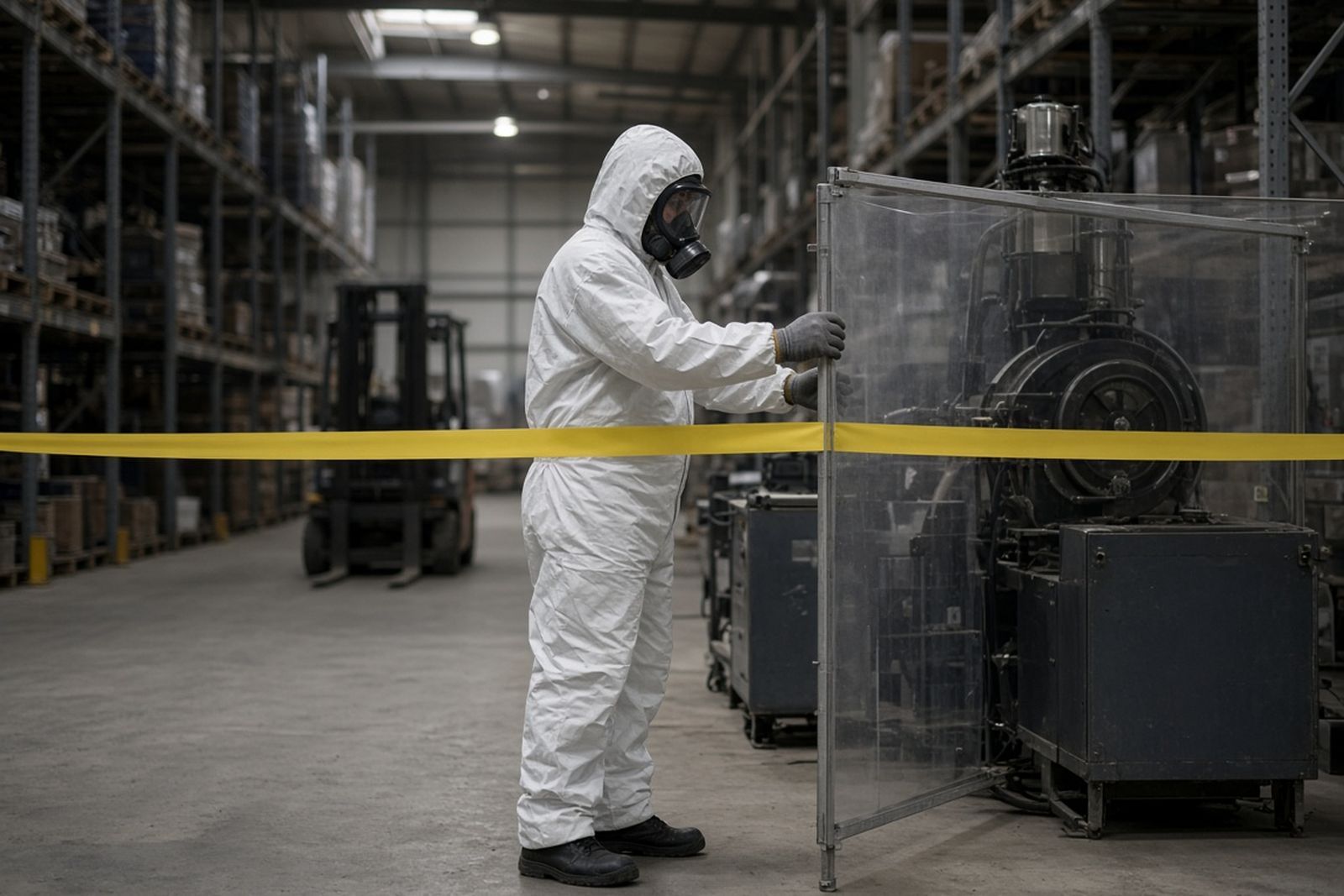
In smaller plants, it can seem practical to have the people already at the scene clean it. That is almost always a mistake, for reasons that go beyond regulations.
Cleaning the place where a colleague was hurt forces people to engage closely with what they just saw. The material they are handling belongs to someone they know. For many, that experience becomes the most vivid memory of the entire event.
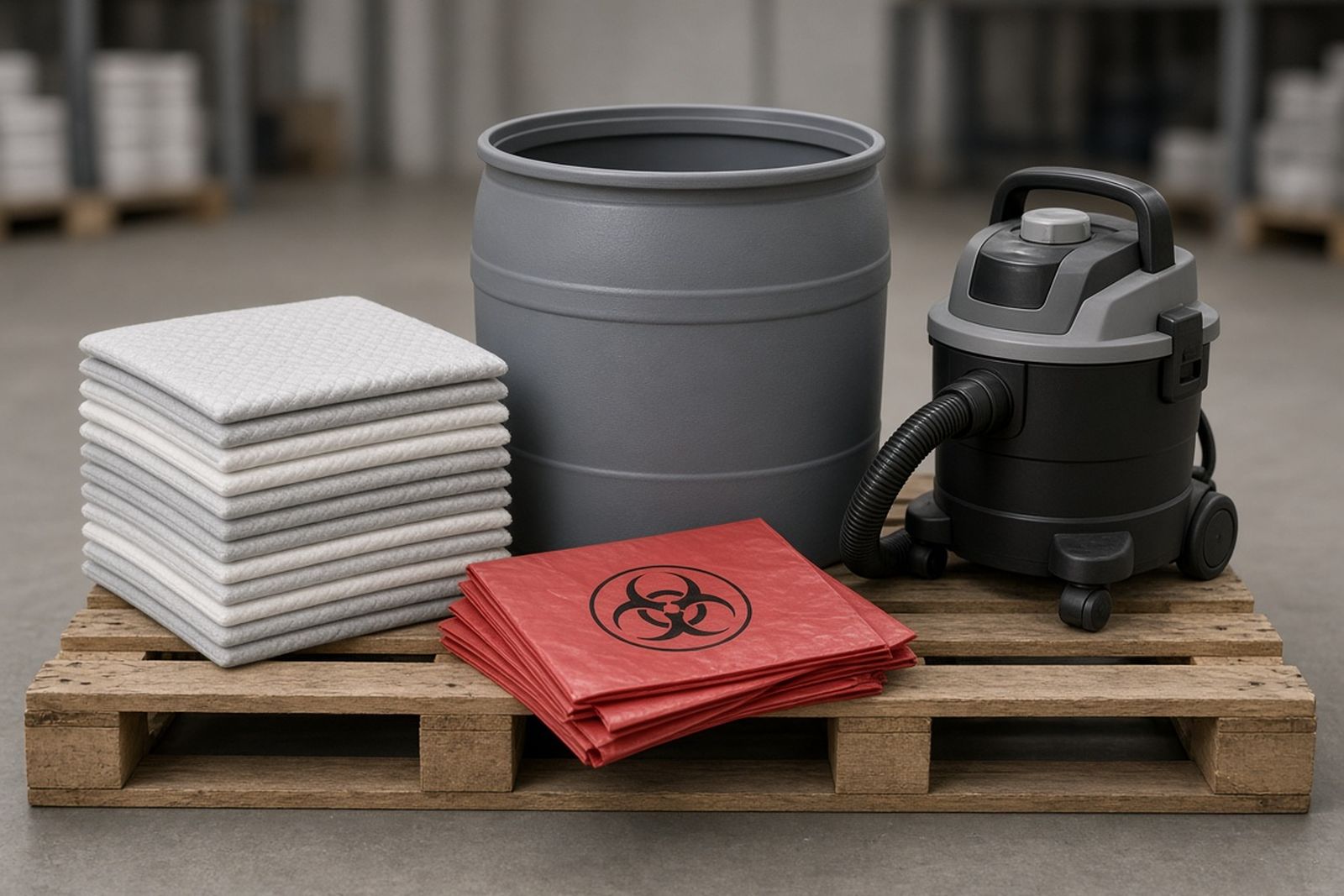
There is also a practical issue. Employees assigned to clean blood must be trained and protected under your bloodborne pathogens program, and production staff often are not. Using trained designated employees who were not involved, or a professional remediation company, protects both the physical and emotional health of the people who witnessed the accident.
What support resources can employers offer?
Most employers already have more support options than they use. The key is to make them visible quickly and to remove barriers to access.
Employee assistance programs usually offer confidential short-term counseling for employees and household members. Contact your EAP provider right after the incident; many can arrange on-site or virtual sessions for groups or individuals.
Some organizations have trained peer supporters or critical incident teams. Where they exist, their role is to listen, provide practical information, and connect people with further help. Participation should be voluntary; no one should be required to talk about the event in a group.
Occupational health providers can address physical symptoms and exposure concerns for first-aid responders who had contact with blood. Local chaplains and community counselors may also be available.
Make crisis support part of every message. If anyone is thinking about suicide or worried about a coworker, they can call or text 988 to reach the 988 Suicide and Crisis Lifeline at any time.
Returning to the equipment
Returning to a machine where a colleague was injured is one of the hardest moments for many workers. A thoughtful approach makes it easier and safer.
Before restart, explain what has changed. If the investigation led to new guarding, a revised procedure, or additional training, walk operators through it. People are more comfortable returning when they can see that the cause was taken seriously.
Offer choices where possible. Some operators want to return right away to regain a sense of normal. Others need a few shifts on a different line. Where production allows, honor those preferences for a limited time.
Consider a gradual return. A supervisor or experienced colleague can work alongside operators for the first shifts back. Check in informally over the following weeks, not just on the first day.
A support sequence for the first week
Resources work best when they arrive in a clear order. After a serious injury, such as a worker struck by a reversing forklift in a warehouse aisle, the first week of support often follows a pattern like this.
On the day itself, keep the area closed and bring the rest of the shift to a quiet space such as the break room. Share what you can without violating the injured worker's privacy: they are receiving care, the area will stay closed, and a professional crew will handle the cleanup. If an EAP counselor can join in person or by video, introduce them and make clear that talking is optional.
Send any first-aid responder who had contact with blood to occupational health for exposure follow-up, and consider giving them the next day off with pay. Offer individual counseling to anyone who is badly shaken, such as the operator of the equipment involved, and consider alternative duties while the investigation proceeds.
Before the area reopens, explain any new traffic rules, barriers, or procedures. Post EAP and 988 information where people will see it, and check in personally with the most affected workers over the following month, not just in the first few days.
How should leaders communicate after a serious injury?
Silence breeds rumor, and rumor makes distress worse. Workers want to know what happened, how their colleague is doing, and whether they are safe. Leaders should share accurate information promptly, while protecting the injured worker's medical privacy and respecting any investigation.
Keep messages simple and human. Acknowledge that the event was upsetting. Say what is being done for the injured worker and their family, what is happening with the investigation and cleanup, and where people can find support. Repeat the message across shifts so night and weekend crews hear it too.
Serious workplace injuries are not rare, and each one leaves coworkers, supervisors, and families needing support. Being prepared to offer it is part of running a responsible operation.
Who looks after supervisors, EHS staff, and the cleanup crew?
The people managing the response are easy to overlook. A shift supervisor may spend the hours after an accident making calls, answering investigators, reassuring workers, and writing reports, all while processing what they saw. An EHS manager may carry a sense of responsibility for a failure in the safety system. A plant manager may be fielding calls from corporate leadership and the injured worker's family on the same afternoon.
These roles often come with an unspoken expectation to stay composed. That can make it harder for leaders to admit they are struggling. Organizations can help by explicitly including supervisors and managers in EAP outreach, and by having a senior leader check in with them personally in the days after the event.
Maintenance technicians deserve attention too. They may be asked to lock out, disassemble, and later repair the very equipment involved, sometimes before it has been fully cleaned. Sequencing the work so professional cleanup happens first spares them unnecessary exposure, physical and emotional.
If an outside remediation company handles the cleanup, its technicians are supported by their own employer. Still, a brief thank-you and a clear handoff from your team make the job easier for everyone. Share any information that helps the crew prepare, such as whether the event involved a fatality, so they are not caught off guard.
Investigators and insurance adjusters are part of the scene too, though they are not your employees. Being courteous, organized, and clear about which areas are open or closed reduces friction during an already tense period.
What workers can do for themselves and each other
Support does not only come from programs. Coworkers are often the first to notice when someone is struggling, and small gestures matter.
Pay attention to basic needs: sleep, food, movement, and time with people you trust. Limit alcohol, which can make sleep and mood worse. If you find yourself avoiding the area or replaying the event, talk about it with someone, whether a peer, a counselor, a chaplain, or a family member.
If you notice a coworker withdrawing, missing shifts, or saying things that concern you, check in. You do not need the perfect words. Asking directly how they are doing, listening, and helping them connect with the EAP or 988 can make a real difference.
And if you ever feel that you cannot keep yourself safe, call or text 988 or go to the nearest emergency department right away.