Short answer
Industrial accident cleanup is harder than ordinary biohazard work because body fluids mix with oils, coolants, dust, and process chemicals, then settle into porous concrete and machine cavities. The science involves separating those layers, removing grease so disinfectant can reach organic matter, choosing chemistry that will not react with plant materials, and verifying equipment is de-energized before anyone reaches inside.
Why a workplace scene is chemically different from a home
In a living room, blood lands on carpet, wood, or drywall. On a production floor, it lands on sealed or unsealed concrete that is already coated with hydraulic fluid, cutting oil, coolant, lubricants, dust, and fine metal particles. Those materials do not simply sit side by side. They blend.
Oil and grease repel water-based cleaners and can trap blood proteins underneath a hydrophobic film. Metal fines can abrade gloves and suits. Water-soluble coolants may already carry their own bacterial load from sumps that have not been changed recently. Dust absorbs fluid and turns it into a paste that clings to vertical surfaces.
The result is a layered contamination problem. A crew that treats it like a household blood spill, by spraying disinfectant and wiping, will usually leave a film of protected organic material behind. The chemistry has to be staged: degrease, clean, rinse, then disinfect.
How concrete absorbs and holds contamination
Most industrial floors are concrete, and concrete is porous even when it looks smooth. Unsealed slabs, expansion joints, saw cuts, and spalled areas pull liquid downward by capillary action. Blood that sat for hours before cleanup began can travel well below the surface.
Sealed and epoxy-coated floors perform better, but only if the coating is intact. Cracks, worn traffic lanes, and chips around machine bases let fluid under the coating, where it can spread laterally and stay hidden.
Because of this, cleanup on concrete often combines mechanical and chemical steps. Crews may use scrub machines, stiff brushes, or low-pressure extraction to pull fluid back out of pores, followed by an enzymatic or oxidizing cleaner to break down residual proteins. In some cases, a stained section of a joint or damaged coating has to be cut out and patched before the area can be considered restored.
Temperature plays a role too. Warm process areas speed drying, which bonds proteins to the surface and makes later removal harder. Cold storage and refrigerated docks slow drying but keep surfaces damp longer, which can let fluid migrate further along joints and under racking before anyone notices.
Degreasing before disinfection
Registered disinfectants are tested on clean, hard surfaces. Their label claims assume the active ingredient can reach the organism. A layer of oil or grease interferes with that contact, and many disinfectants are water-based, so they bead up and run off greasy surfaces rather than wetting them.
An alkaline degreaser or a surfactant-based cleaner breaks that film first. After a rinse, the surface can accept the disinfectant evenly, and the product can stay wet for the contact time printed on its label.
Degreasers bring their own chemistry concerns. Strong alkalis can etch aluminum, dull coated surfaces, and irritate skin and eyes. Solvent-based degreasers can be flammable and may not be allowed near ignition sources. That is why a crew should review the plant's safety data sheets and ask about sensitive surfaces before choosing products.
When cleaning chemicals meet process chemicals
Manufacturing sites store and use acids, caustics, oxidizers, solvents, and specialty compounds. Some of those may already be on the floor or equipment near the injury site. Introducing a cleaning product without knowing what is there can cause unwanted reactions, such as heat, fumes, or damage to equipment.
Chlorine-based disinfectants are a common example. They can react with acids to release chlorine gas and with ammonia-containing compounds to release chloramines. Oxidizers can react with organic solvents. Even water can be a problem near certain reactive metals or powders.
Hazard communication is the safeguard here. A cleanup contractor should ask for the relevant data sheets and a walkthrough of nearby chemical storage before any product is opened.
Machines, trapped contamination, and stored energy
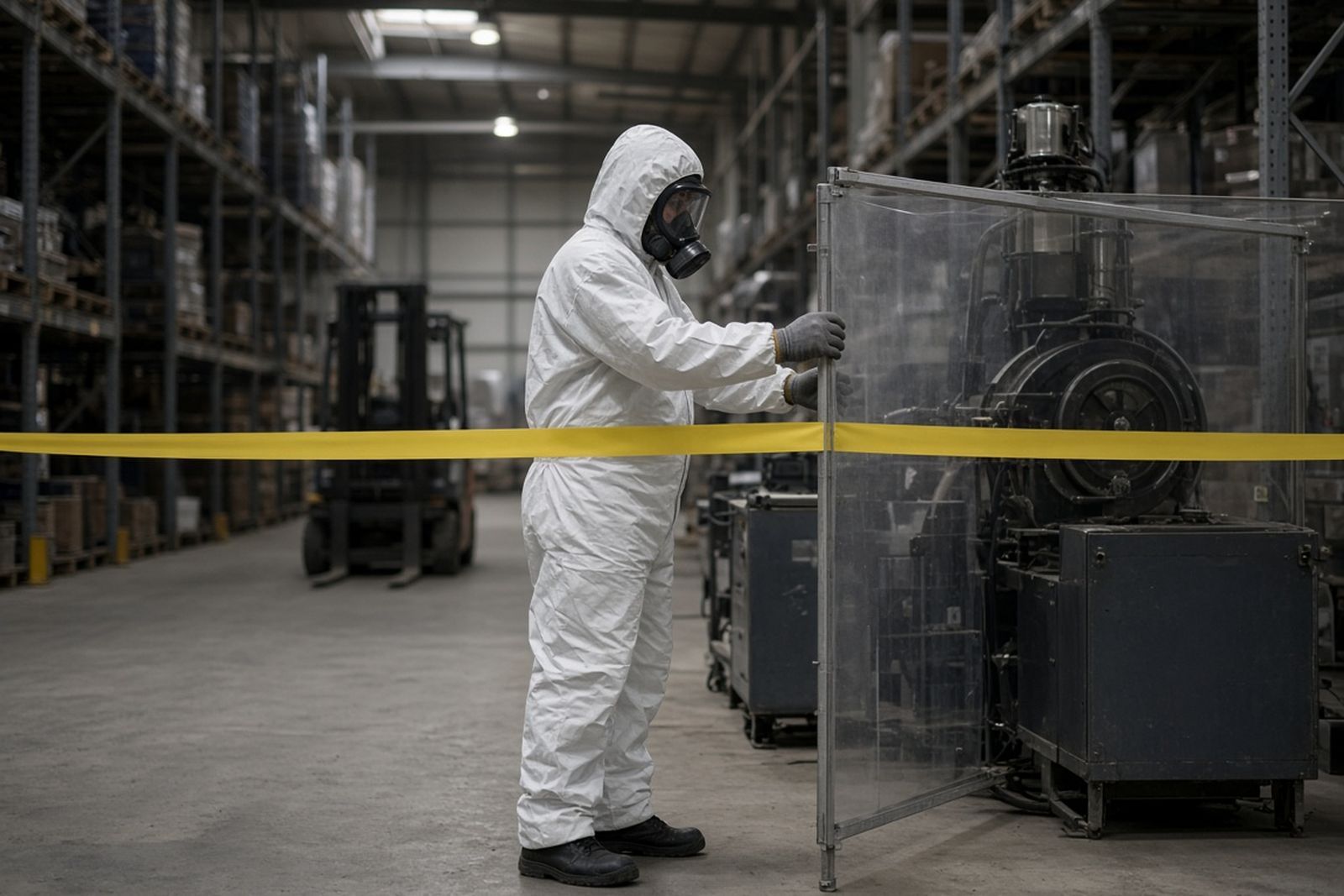
Accidents involving conveyors, presses, rollers, mixers, and saws often leave contamination inside guards, housings, belt paths, and gearboxes. Those areas are full of recesses and moving parts that are hard to reach and easy to overlook.
Cleaning machinery means partial disassembly in many cases, following the manufacturer's service guidance, so that belts, guards, and panels can be removed and treated separately. Electrical enclosures, sensors, and control panels need methods that will not introduce liquid where it could cause shorts or corrosion. Food and pharmaceutical equipment adds sanitation requirements on top of biohazard cleanup.
Hydraulic fluid and blood can also end up in the same collection tray or sump. When that happens, the fluid in the tray is no longer just an industrial waste. It has to be handled with both its chemical and biological hazards in mind, which usually means consulting the plant's environmental staff before anything is drained.
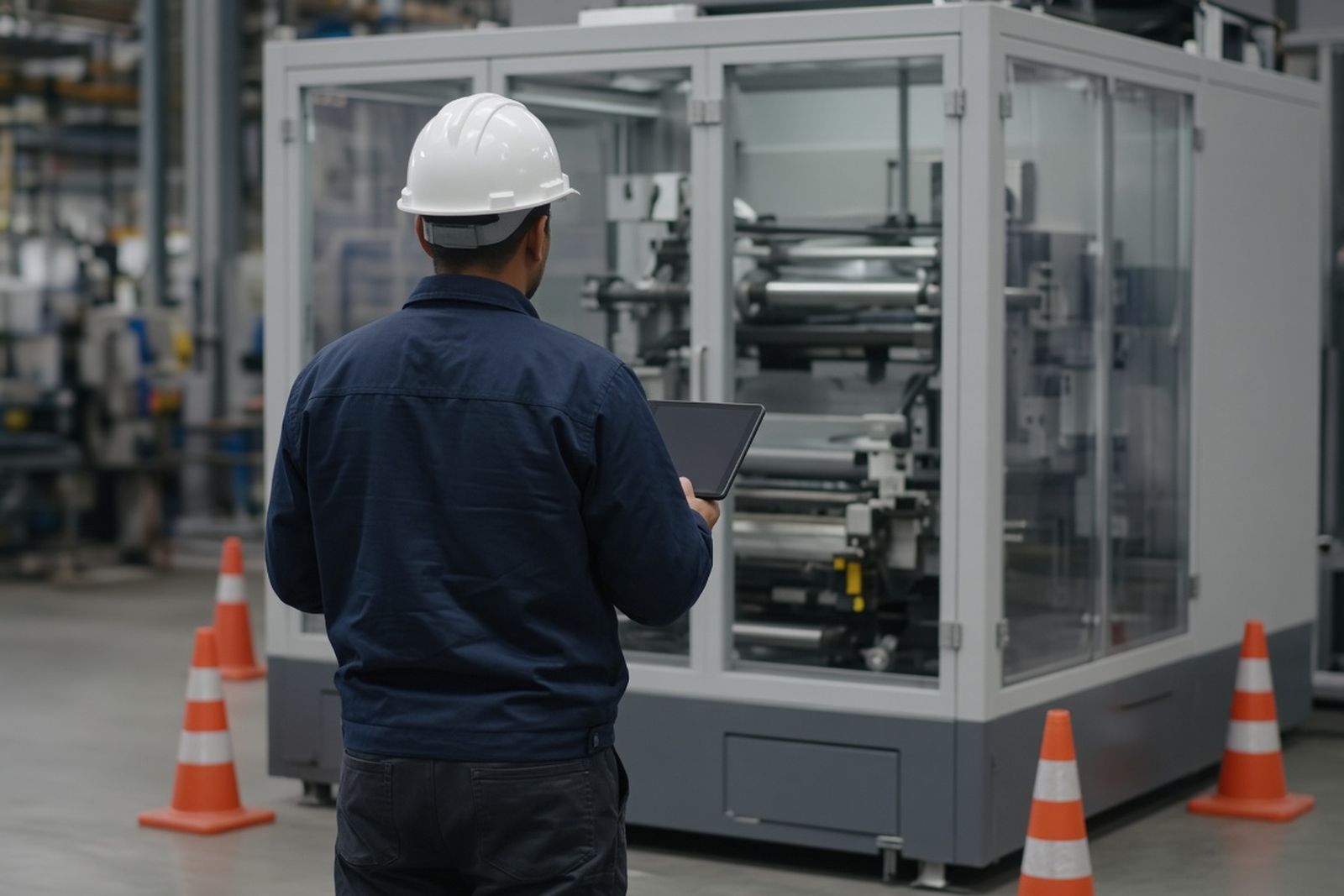
Stored energy does not disappear because a line has stopped. Hydraulic accumulators, pneumatic lines, springs, suspended loads, flywheels, and capacitors can move or discharge unexpectedly. A crew reaching inside a machine to remove contamination faces the same hazards that may have caused the original accident.
Lockout and tagout procedures address that risk by isolating and verifying zero energy before work begins.
For a cleanup provider, this means coordinating with the plant's maintenance and safety staff, confirming which energy sources are isolated, and following the site's own procedures rather than improvising. A reputable contractor will expect this and will not start work inside equipment until it is confirmed.
The science applied on a packaging line
A hand injury while clearing a conveyor jam on a food packaging line shows how these principles combine. Blood typically reaches the belt, the side guards, the floor beneath the line, and sometimes a drain grate several feet away. The belt may carry a thin film of food-grade lubricant, and epoxy floors are often worn along walkways.
Once lockout is confirmed with the maintenance lead, belt sections and guards are removed under supervision. A belt that cannot be verified clean is bagged for disposal. Guards are degreased, rinsed, disinfected, and then rinsed again with potable water where the plant's sanitation program requires it. Worn floor areas are scrubbed and extracted, drain grates are pulled and cleaned, and final documentation goes to both the safety manager and the quality team.
Verifying the result before the area reopens
Visual inspection is only a starting point. Industrial sites often have their own verification tools, particularly food and pharmaceutical plants that already use ATP swabs or microbial sampling in their sanitation programs. A cleanup provider can align with those tools so results fit the plant's existing records.
Verification also covers the chemistry itself. Surfaces that will contact product may need a potable water rinse to remove disinfectant residues. Equipment should be inspected for damage from cleaning chemicals before it returns to service.
- No visible residue on floors, guards, or machine internals
- Degreasing, disinfection, and rinse steps logged with product names and contact times
- Energy isolation confirmed before and released after work, per site procedure
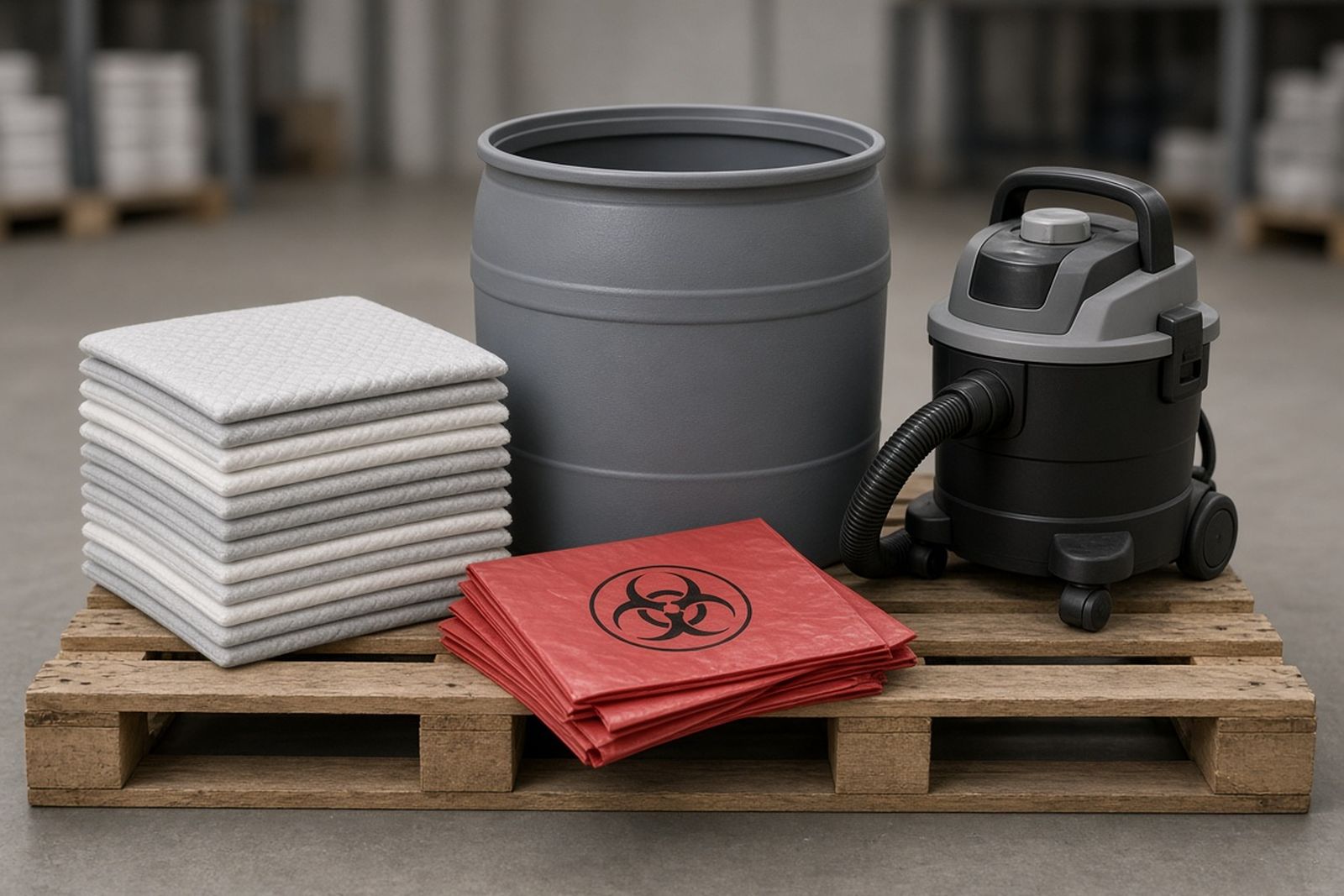
- Waste streams separated and labeled for biohazard, chemical, and general disposal
- Photographs of each area before and after
- Sign-off from the site's safety or sanitation lead
What should you plan for before an accident happens?
The best time to think about the science is before you need it. Keep current safety data sheets accessible. Identify which areas of your plant have porous floors, damaged coatings, or equipment that is difficult to access. Decide which internal staff handle small spills and at what point you call an outside provider.
It also helps to talk with a provider in advance about your specific processes. A contractor who already knows that your plant uses a particular acid wash, runs a food-grade sanitation program, or has confined spaces under certain lines can respond faster and with the right products. Preplanning shortens the time between the injury and the moment the area can safely return to production, and it reduces the pressure on your own staff to handle work outside their training.
Finally, remember the people. Coworkers who witnessed the event may be shaken, and asking them to clean the area themselves adds to that burden. Separating the cleanup from the team that was present is both a safety choice and a humane one.
Waste classification, reporting requirements, and when an incident scene can be released differ by jurisdiction and by the agencies involved in any investigation, so have your EHS lead confirm them for your site in advance.