Short answer
Industrial accident cleanup used to mean coworkers or janitors hosing down an area. Now trained cleanup companies do the work. They wait until the scene is released. They follow the site's rules for lockout, which means shutting off and locking a machine's power, and its permit rules. They treat spots where blood and chemicals are mixed and keep waste types apart. They write everything down for the accident file. Better reporting, better investigations and more care for workers' emotional health drove much of that change.
How scenes were cleaned in the past
For much of industrial history, the aftermath of a serious injury was handled by whoever was nearby. Coworkers, maintenance staff or janitors hosed down the floor and wiped the machine. They threw soiled rags in the dumpster and got the line running again. In many workplaces, that was just how things were done.
The people doing that work were rarely trained for it. They often had no protective gear beyond work gloves. Many were the same coworkers who had just watched a friend get hurt. That added emotional weight to a task that was already dangerous.
Little thought was given to evidence either. Scenes were often cleaned before anyone had recorded what happened. That made it harder to understand the cause and keep it from happening again.
Disposal was just as casual. Blood-soaked absorbents, damaged gloves and soiled parts went out with the regular trash or into scrap bins. Few people asked whether the next person to handle that waste might be exposed. That could be a janitor, a scrap buyer or a hauler.
Regulation, and the rise of scene preservation
Federal and state job safety programs slowly set expectations. These covered warning workers about chemicals, controlling machine power, protective gear, and exposure to blood and other body fluids that can carry disease. Those rules changed who could fairly be asked to clean up after an injury, and how.
Controlling machine power is a good example. Rules on lockout and tagout made it clear that machines must be cut off from dangerous power before anyone reaches into them. That applies to cleanup crews as much as to maintenance workers.
Rules on bloodborne germs had a similar effect. Once employers were expected to protect workers exposed to blood and body fluids, sending untrained workers to scrub an injury site became hard to defend.
Chemical warning rules added another layer. Once workers had a right to know about the chemicals they handled, the disinfectants and degreasers used in cleanup had to be counted too. Cleanup was no longer a matter of grabbing whatever was under the sink. Products needed safety data sheets, labels and training.
As accident investigations grew more skilled, companies and regulators saw that the physical scene holds key information. Guard positions, control settings, where tools were, damaged parts and fluid patterns can all help explain what went wrong.
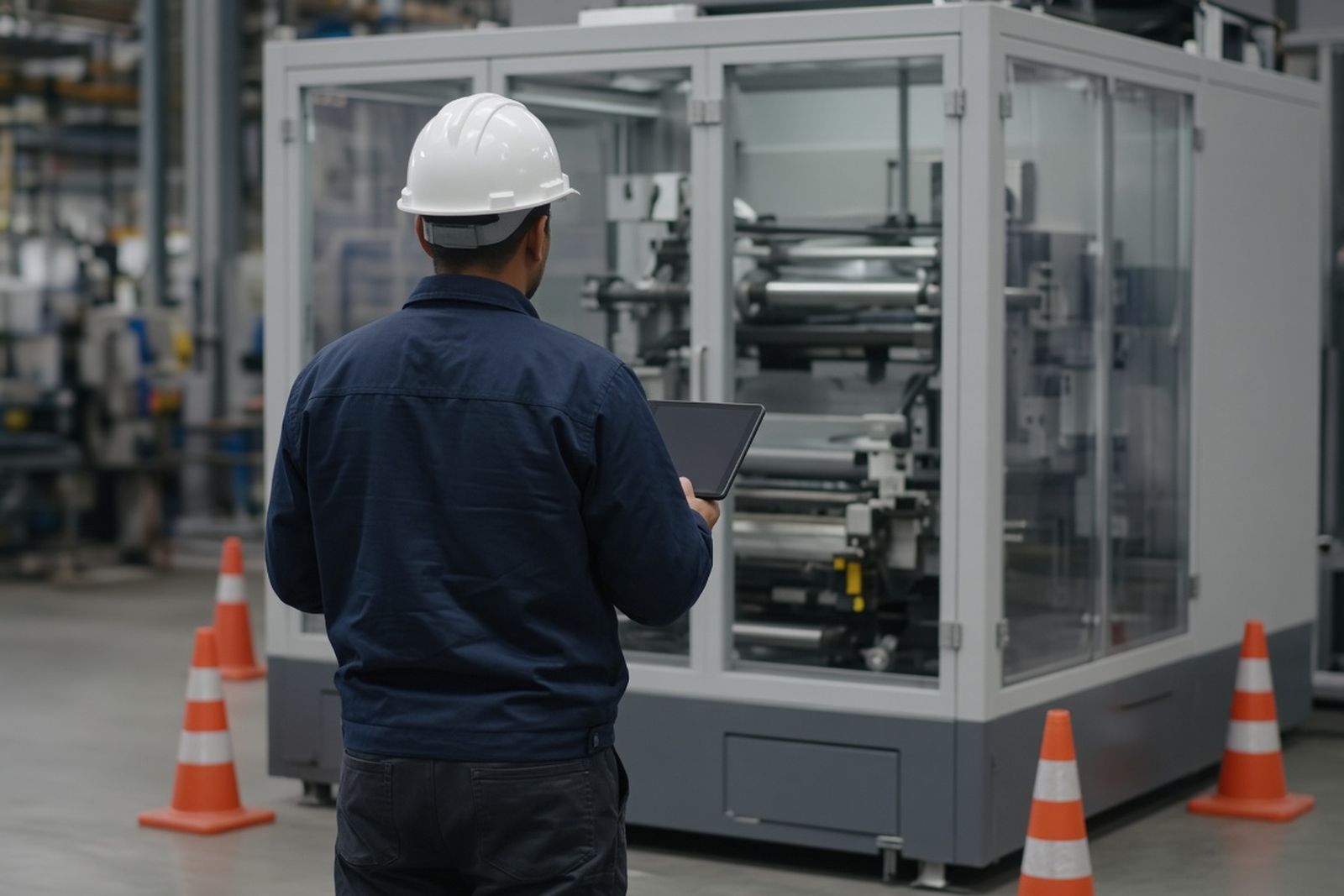
That changed the order of steps. Today, most well-run sites leave the area as it is, record it and let investigators in before any cleanup begins. Cleanup companies are expected to wait for written release. They are also expected to set aside items the investigation team wants to keep.
Reporting duties backed up this change. Serious injuries and deaths often must be reported to regulators within set time limits. Those agencies may want to see the scene. The exact rules differ by place and type of accident. But the direction of change has been steady.
Specialist contractors and mixed contamination
As expectations rose, many sites saw that they lacked the training, gear or waste setup to handle a serious injury scene themselves. Specialist companies filled that gap. Many grew out of crime scene cleanup, hazmat response or industrial cleaning businesses.
Those companies brought several skills together. They had training on bloodborne germs and programs for breathing protection. They knew industrial dangers and had ties with licensed waste haulers. They also learned to work under a host site's rules, including permits, escorts and site orientation.
Insurance and purchasing departments also played a part. Companies set up formal checks for contractors doing maintenance and building work. Then they began using the same checks for cleanup companies. These included proof of insurance, safety program papers, training records and injury rates. Companies that could meet those checks were more likely to be called for industrial work. That raised standards across the field.
The best companies today treat industrial work as its own specialty. A biohazard job in a home and a factory floor cleanup share some methods. But the dangers around them and the need to coordinate are very different.
Industrial accidents rarely leave only blood and body fluids. Hydraulic fluid, coolant, oils, fine metal dust, product leftovers and process chemicals often mix with blood and tissue. Early cleanup methods did not tell them apart.
Modern practice handles mixed messes on purpose. Crews remove grease from oily surfaces before disinfecting. They check that their products will not react badly with substances already there. They clean grating, drains, pits and the undersides of equipment where fluid collects.
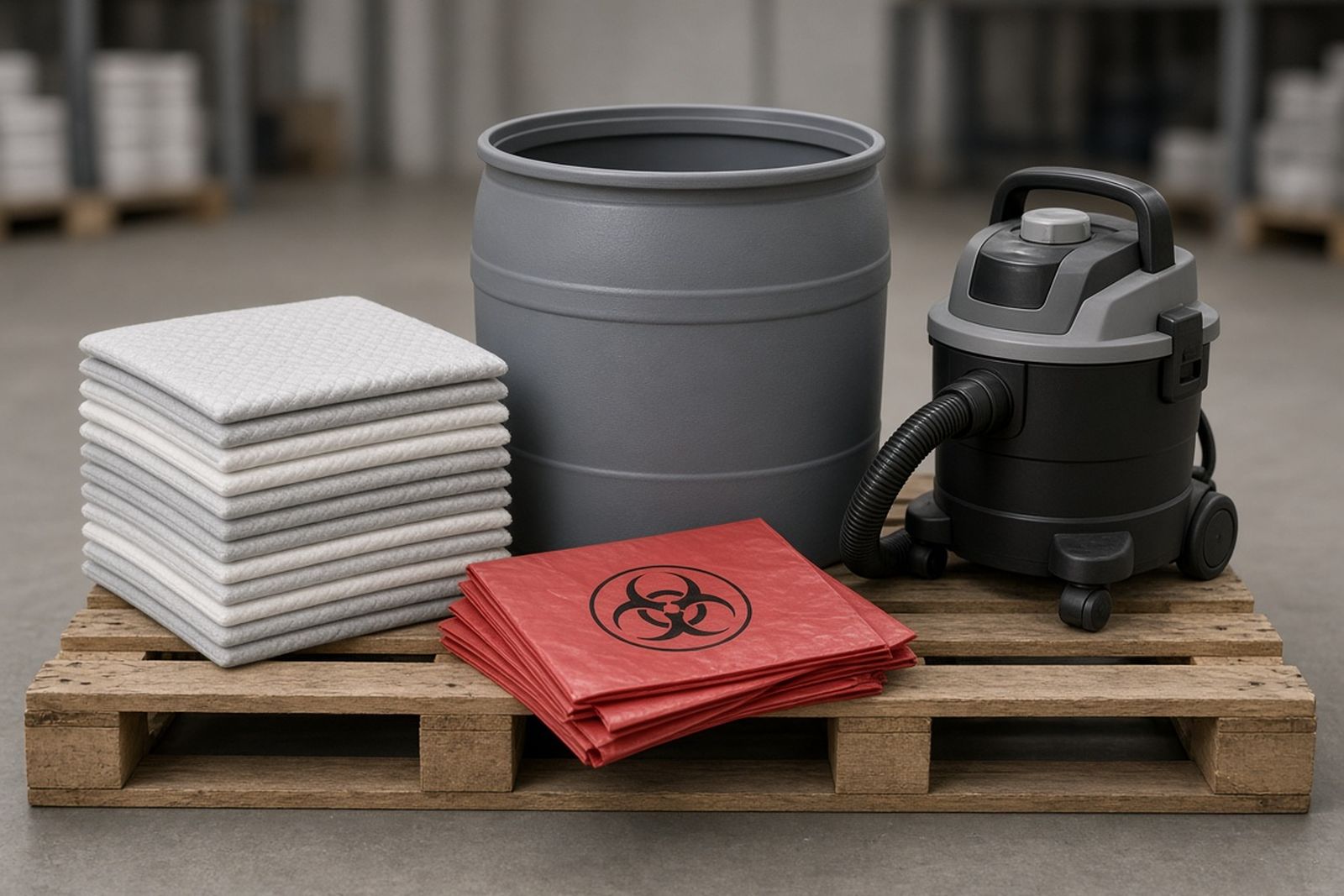
Waste handling changed at the same time. Instead of everything going into a general dumpster, soiled materials are now split into the right waste streams. Items soaked with body fluids, absorbents with chemicals on them and regular debris may each need different containers, haulers and records.
The equipment itself became part of the choice. A cleaning crew once wiped a machine and walked away. Now the maker or the site's maintenance team is often brought in. Some parts cannot be safely disinfected in place. They must be taken apart, replaced or serviced before the equipment goes back into production. Cleanup companies now flag those items as a matter of course instead of guessing.
The role of reporting data
Better data has sharpened attention on how serious accidents unfold and how sites respond. Regulators and safety boards now collect more detailed information about serious events. That in turn shapes advice and expectations.
Chemical process accidents are one example. Safety+Health reported in 2025 that the U.S. Chemical Safety Board's rule on reporting accidental releases is bringing out lessons from serious events. Reporting like this reminds site leaders of something. Cleanup after an industrial injury may also involve chemical dangers and interest from regulators.
Within companies, injury tracking and the search for root causes have also grown more skilled. The cleanup company's records now feed into that work. That is one reason expectations for records have grown.
A press injury, then and now
The clearest way to see the change is to compare how a serious injury at a mechanical press has usually been handled in each era.
Under the older approach, a supervisor might ask two coworkers to clean up the area once the ambulance leaves. They wipe the press and mop the floor. They throw the rags and the operator's damaged glove in the trash. The line starts again within the hour. No one takes photos of the press settings before they are changed.
Under the modern approach, the supervisor secures the area and the press stays locked out. The safety manager records the scene. After investigators release it, a cleanup company arrives and joins a briefing before work. The crew confirms the lockout. It removes grease from the press and floor and disinfects them. It cleans the pit beneath the press and splits waste into the right containers. It provides a final report with photos and waste records. Coworkers who saw the injury are offered support and are not asked to help clean.
The modern way takes longer. But it protects the investigation, the cleanup crew and the workforce. It also leaves the company with a complete record.
More attention to worker well-being
Another change is knowing that serious injuries hurt coworkers' feelings, too. Asking witnesses to clean the scene is now widely seen as harmful. After a serious accident, many companies offer a worker help program or on-site counseling.
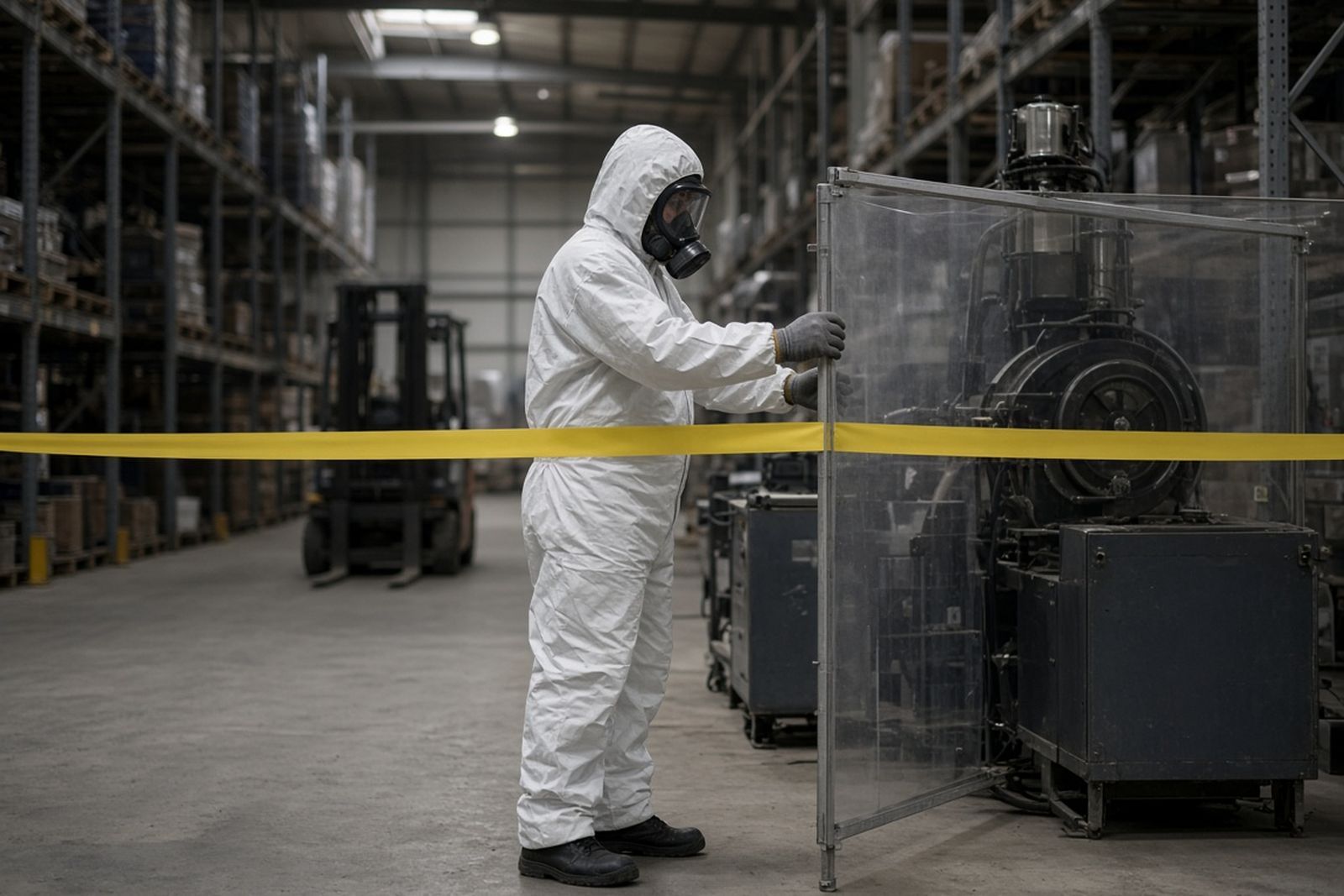
Cleanup companies have adjusted. They work when areas are empty and screen work zones from view. They remove every visible trace of the accident. They handle personal belongings with respect. Those steps help workers go back to the area without facing reminders.
Supervisors have also gained clearer guidance about their own role. After a serious injury, a supervisor's job is no longer to organize a cleanup. It is now generally seen as caring for the hurt worker, protecting the scene, checking on witnesses and calling the right people. Keeping those duties apart from the physical cleanup has made the first hours after an accident calmer and safer for everyone on site.
This shift reflects a wider view of safety culture. It includes how a company treats people after something goes wrong, not only before.
Where the field is heading
Several trends are likely to continue. More sites are checking out cleanup companies ahead of time as part of their emergency plans. That way, the vetting happens before an emergency, not during one. Digital reports are making final packets easier to share with company safety teams, insurers and investigators.
Expectations around mixed waste, chemicals that react with each other and environmental rules will likely keep getting stricter. This is most likely as sites face closer review of spills and waste handling.
The basic goal stays the same. Make the area safe to use again while respecting the hurt worker, supporting coworkers and keeping the information needed to prevent the next accident. The difference today is that there is a set way to do all of that. And there is a record to show it was done.
- Cleanup companies checked ahead of time and built into emergency plans
- Written scene release before cleanup begins
- Working with the host site's lockout and permit rules
- Separate waste streams with hauling records
- Final reports filed with the accident investigation