Short answer
As a property manager, you are usually not the injured worker's employer, but an industrial accident on your property still involves you. You may own the equipment involved, control shared areas the contamination reached, or maintain drains and ventilation affected by the cleanup. Coordinate with the tenant, respect any scene hold, protect building systems, and document what you owned, what you cleaned, and who paid.
Is an accident inside a tenant's space really your concern?
In a multi-tenant industrial park or a single-tenant warehouse, the tenant is typically the employer and carries most workplace safety duties. That does not mean the landlord has no role once someone is seriously hurt.
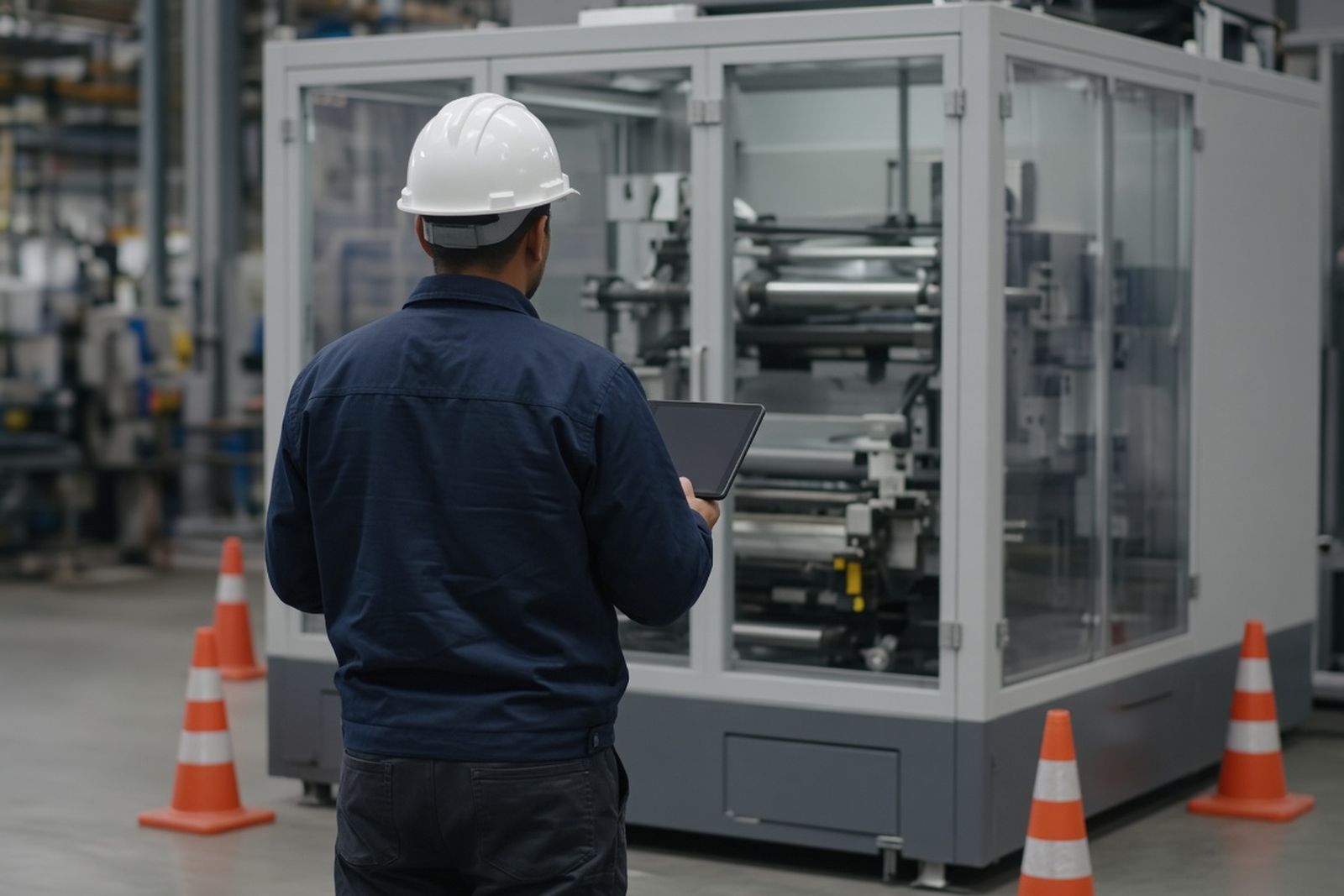
Buildings come with equipment that tenants use every day but do not own: dock levelers, overhead doors, freight elevators, mezzanines, crane rails, and sometimes built-in racking. If one of these is involved in an injury, the property owner is part of the story from the first hour. Even when the tenant's own machine caused the harm, blood, hydraulic oil, or process chemicals can travel into corridors, loading courts, and drains you maintain.
Shared infrastructure raises the stakes. A single roof-mounted air handler might serve two tenants, a trench drain might run past three dock doors, and a restroom core might sit between suites. Contamination and cleanup chemicals do not respect demising walls the way leases do.
Your role, in short, is to protect the building, support the tenant's response, stay out of the way of investigators, and keep a clear record of who did what.
The first few hours: five questions for the tenant
Start by confirming that emergency care is underway and that the tenant has called whoever it needs to call. Then ask a few focused questions so you know how involved you need to be.
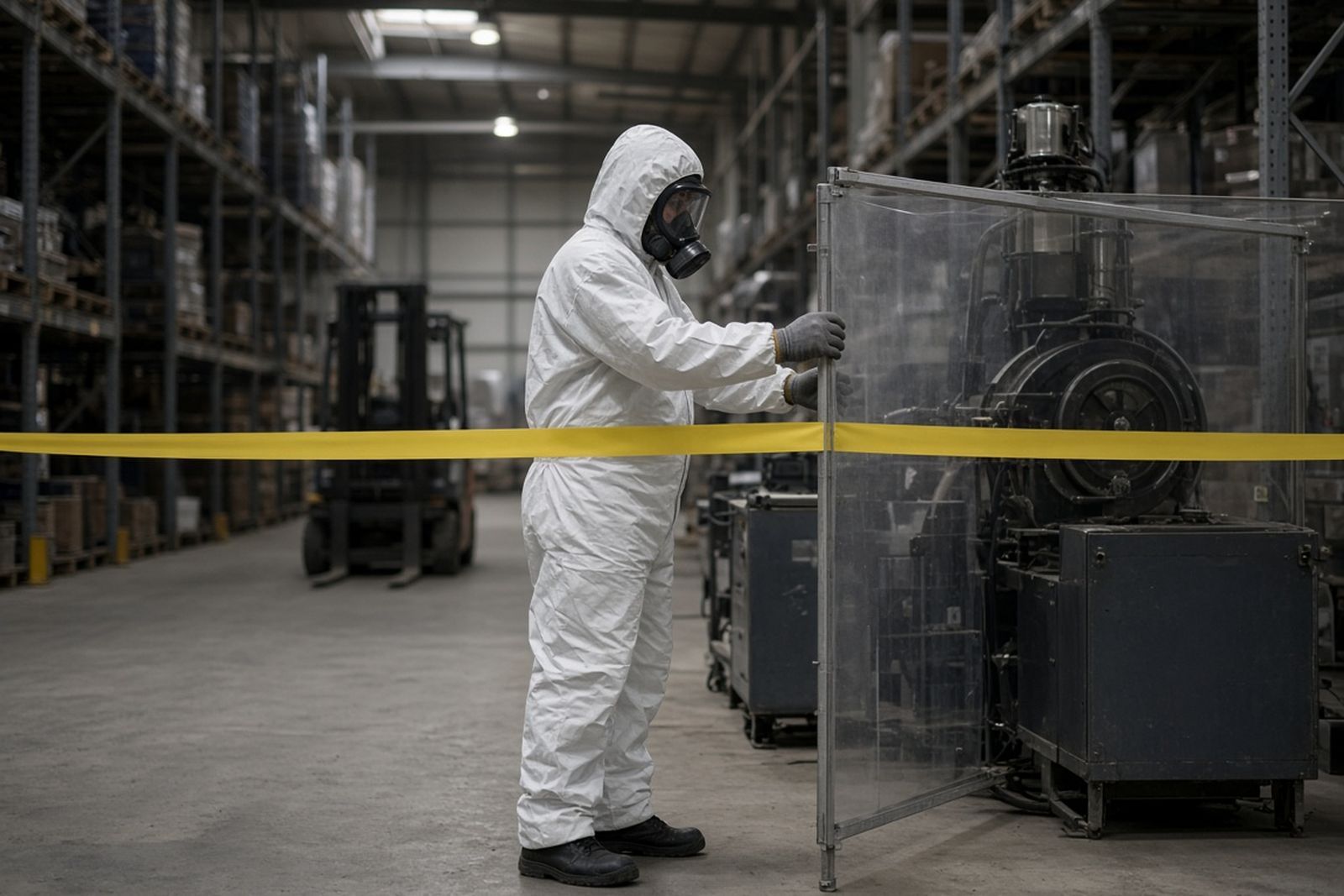
Resist the urge to send your maintenance technician in right away. Until the tenant, OSHA, or law enforcement says the area is released, your staff should not touch equipment or clean surfaces in the affected space.
- Was any landlord-owned equipment, such as a dock leveler, door, or elevator, involved?
- Has anything reached common areas, loading courts, or shared restrooms?
- Have fluids, oils, or chemicals entered floor drains or trench drains?
- Has an agency asked that the scene be preserved, and for how long?
- Who is the tenant's point of contact for the rest of the day?
Building equipment, drains, and ventilation
If a dock plate, overhead door, or freight elevator was involved, expect questions from the tenant, its insurer, and possibly OSHA about the equipment's condition and maintenance history. Pull your service records, inspection reports, and any recent work orders, and hand them to your own counsel or risk manager before sharing them with others.
Keep the equipment out of service. Lock and tag it following a documented procedure, and do not repair, adjust, or clean it until investigators and your insurer are satisfied. Cleaning a leveler pit or a door track can remove evidence as easily as it removes contamination.
When the equipment is released, cleaning and repair need to be sequenced. A remediation crew should decontaminate first so that your elevator or door contractor is not exposed to blood or other fluids while working. Both vendors should understand the lockout arrangement, and one person should control the locks.
Industrial buildings often have trench drains, sumps, and oil-water separators that are the landlord's responsibility. After an accident, these can collect blood, cutting fluid, hydraulic oil, or product spilled in the chaos.
Tell your tenant and any cleanup contractor exactly where each drain discharges. Some go to sanitary sewer through a separator, some go to storm systems, and some go to a holding tank. Flushing contamination toward a storm drain can create an environmental reporting obligation and a much bigger problem than the original spill. Your local wastewater utility can tell you what its sewer use rules allow before anyone washes a floor toward a drain.
Ventilation matters too. Disinfectants, degreasers, and solvents used during cleanup can accumulate in an enclosed warehouse bay. If the building's HVAC serves more than one tenant, ask the contractor about product choice and ventilation plans so that neighbors are not exposed to fumes.
Who pays when contamination reaches common areas
Payment questions are best answered by the lease and the insurance policies, not by anyone's instincts on the day. Many leases make the tenant responsible for damage it causes and require it to carry liability coverage, while the landlord's property policy covers the building itself. How those provisions apply to a specific event is a question for your attorney and your carrier.
Notify your own insurer promptly, even if you believe the tenant will ultimately pay. Late notice can complicate claims. Keep contamination cleanup invoices separate from repair invoices, and separate your common-area costs from anything done inside the tenant's premises.
If you hire a remediation company for common areas while the tenant hires its own for its space, write down the boundary between the two scopes. A hallway door, a dock edge, or a demising wall makes a clean dividing line.
Ask each contractor for a final report that shows its own area only. When two reports overlap or leave a gap, the insurer and the tenant will notice, and sorting it out months later is far harder than drawing the line on the first day.
The national picture
Serious industrial accidents are not rare, and many of them involve the physical environment of a building. The BLS counted 779 worker deaths from contact with objects and equipment in 2023, which placed that category second only to transportation incidents. The same agency reported that transportation and warehousing recorded 930 fatal work injuries in 2023, more than any private sector except construction.
Those figures cover all workplaces, not just leased properties. Still, if you manage distribution centers, cross-docks, or manufacturing buildings, the numbers are a reason to plan ahead rather than assume it will not happen at your site.
Most incidents on your properties will be smaller: a laceration at a packing station, a crushed finger at a conveyor, a fall from a ladder in a racking aisle. Those events still leave blood on floors and equipment, and they still raise the same questions about who cleans, where waste goes, and whether shared areas were affected. A plan scaled for the worst day also handles the ordinary ones.
A dock injury seen from the landlord's side (illustrative)
The case below is illustrative. Suppose you manage a four-tenant distribution building. Each tenant uses dock positions served by landlord-owned hydraulic levelers. Late one evening, a tenant's forklift operator is seriously injured at dock 7 when a trailer moves away from the building while he is on the leveler.
The tenant calls emergency services and reports the hospitalization to OSHA. Their safety manager calls you the next morning. You learn that blood and hydraulic fluid reached the leveler pit, the dock apron, and a trench drain that runs along the dock face.
You place dock 7 out of service with a lock and tag, ask your leveler contractor to hold off, and send your service records to your risk manager. You notify your property insurer. When the tenant confirms the area is released, you and the tenant agree that its remediation contractor will clean the dock interior, while your contractor will handle the leveler pit, the apron, and the drain.
Your contractor removes the contaminated absorbent, cleans and disinfects the pit and apron, and pumps the drain section into containers for proper disposal. Only then does your leveler technician inspect the equipment. You keep the photographs, invoices, and waste receipts in a single file labeled with the date and dock number.
Preparing your properties and vetting a contractor
Preparation for this kind of event is mostly paperwork and relationships. Map every drain on each property and note where it discharges. Keep maintenance records for landlord-owned equipment where you can find them quickly. Confirm that your leases address damage caused by tenant operations and require prompt notice of serious incidents.
Build a short contact sheet for each building: tenant safety contacts, your insurer, your equipment vendors, a vetted remediation company, and the local environmental and wastewater agencies. Share the relevant parts with tenants during onboarding.
Remember, too, that people in the building may be shaken. Workers at neighboring tenants may have heard or seen what happened. A calm, visible response from property management, including prompt cleanup of shared areas, helps everyone return to normal routines.
A company that handles industrial accident cleanup should be comfortable discussing blood, mixed chemical residues, and heavy equipment in the same conversation. If it only talks about one of those, it may not be the right fit.
Ask about the following before you sign a work order.
- How will your crew take part in lockout on landlord-owned equipment?
- What products will you use on concrete, steel, and painted surfaces, and are they compatible with oils or chemicals already present?
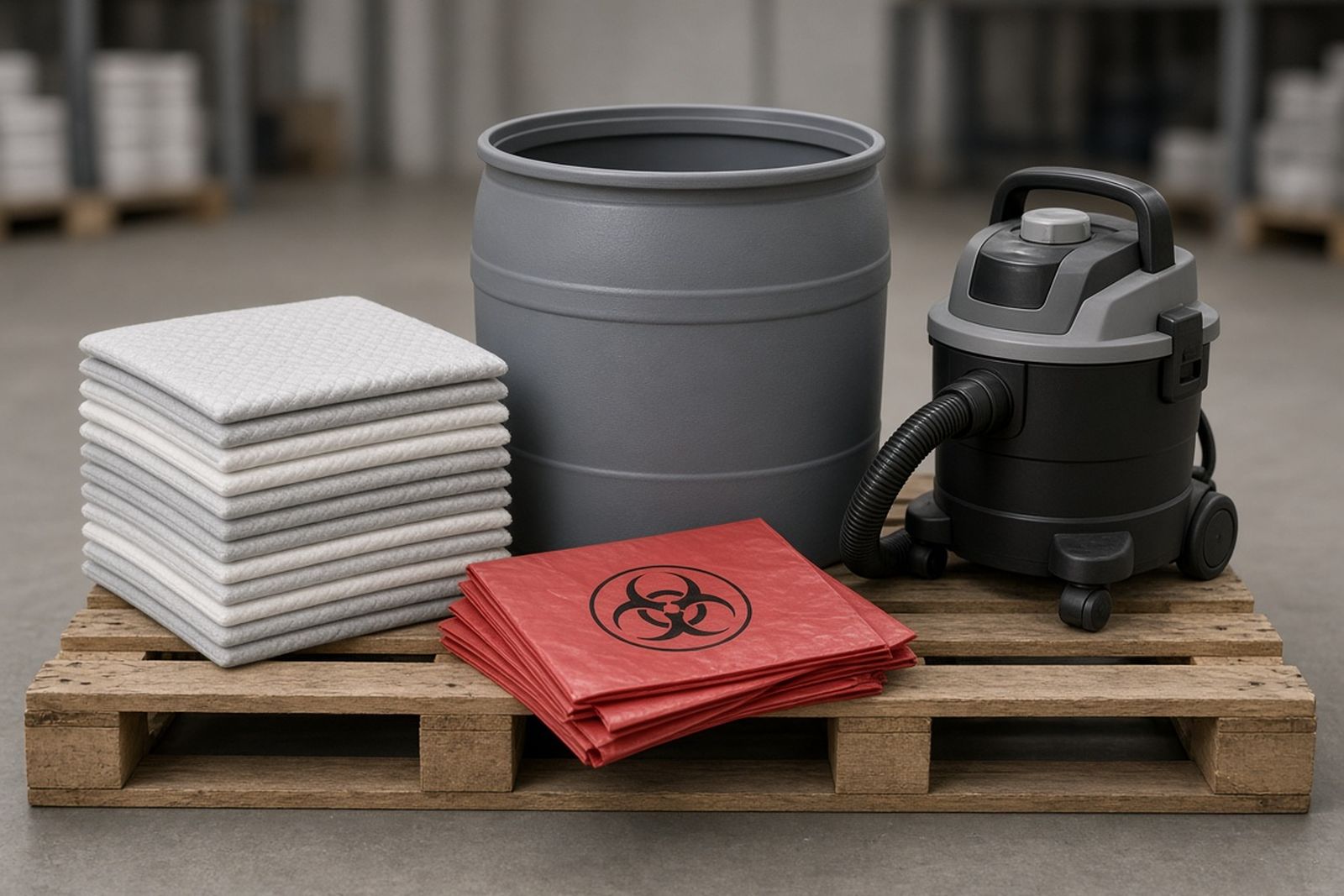
- How will you collect contaminated water and absorbents from drains and pits?
- Where will waste be stored before pickup, and how long will it be on site?
- What documentation will you provide, including photos and disposal records?
- Who will supervise your crew, and how can I reach that person after hours?